


 English
 Deutsch
Content
- 1 Density: The First Number to Verify
- 2 Hardness and Indentation Resistance
- 3 Moisture Content and Dimensional Stability
- 4 Visual Inspection: Surface, Color, and Fiber
- 5 Joint Profile and Backing
- 6 Slip Resistance and Coating Durability
- 7 What Paperwork Should Come with the Boards
- 8 Test Samples Before You Commit to a Full Order
When you compare strand woven bamboo flooring products, three numbers tell you more about quality than any brochure claim: density, moisture content, and thickness swelling after water exposure. Strand woven bamboo is made by crushing bamboo stems into fibers, saturating them with resin, and pressing the mixture under high heat until it forms a dense board. Because this process creates the material's strength, the same process also decides whether a floor lasts twenty years or fails within two. You do not need a laboratory to verify most of it. A scale, a ruler, a bucket of water, a coin, and a moisture meter are enough for a reliable first assessment.
Density: The First Number to Verify
Density is the most direct indicator of how much fiber and resin are actually packed into each plank. A well-made strand woven bamboo board lands between 1,100 and 1,200 kg/m³. To measure it yourself, weigh one full plank, calculate its volume from the length, width, and thickness, then divide weight by volume. The result immediately tells you whether the board belongs in the premium range or the budget end.
A quicker field method is the water flotation test. Drop a trimmed piece into a bucket of water. A dense board sinks, or hangs just below the surface. A board that floats easily usually contains air pockets, low fiber content, or uneven resin distribution, all of which shorten service life under foot traffic and outdoor weather.
Hardness and Indentation Resistance
Hardness determines how the floor reacts to furniture legs, high heels, and dropped tools. Strand woven bamboo typically reaches Janka hardness between 3,000 and 4,000 lbf, well above oak and most tropical hardwoods. Ask the supplier for the Janka value that applies to the batch you are buying, and confirm that the number comes from an actual test report rather than a marketing page.
A simple surface test works too. Press a coin edge or the tip of a steel key into the board with moderate force. A quality surface takes only a faint mark. If the bamboo tears, crumbles, or lifts fibers, the resin has not cured evenly, and the board will wear quickly in real use. For a broader reference point, you can compare your results with reported strand woven bamboo hardness and durability data from professional buyers and test labs.
Natural Color Versus Carbonized Color
Carbonized boards are heat-treated to achieve a deep brown tone, and that same heat makes the fibers slightly more brittle. In side-by-side samples, carbonized boards often show marginally lower indentation resistance than natural-color boards of equal density. For high-traffic decks, natural-color boards with documented hardness data are a safer specification. For dark architectural finishes, carbonized boards remain fully serviceable as long as the density and swelling tests pass.
Abrasion Test on the Finished Coating
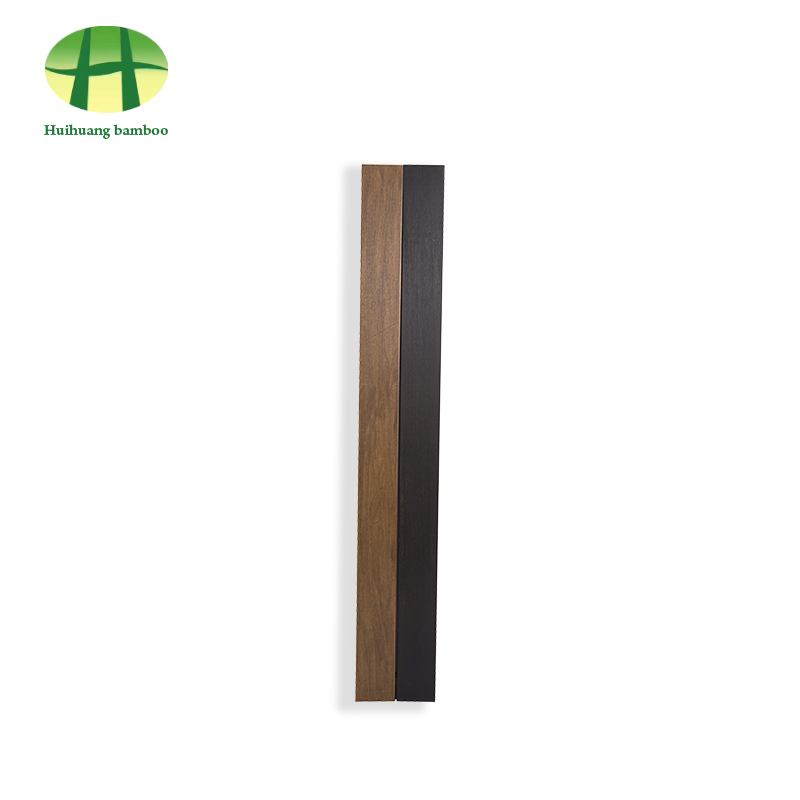
Coating quality is independent of board density. Drag a metal key across the face at a 45-degree angle and inspect the scratch. A fully cured finish shows a clean, fine line. A soft or under-cured finish produces a rough white mark or powder. Repeat the test near the edges, because edges often receive a thinner coat than the face. If you prefer a smooth-textured surface for a covered terrace or a transitional indoor-outdoor area, look for a natural color glossy heavy bamboo flooring option with a verified UV-cured topcoat.
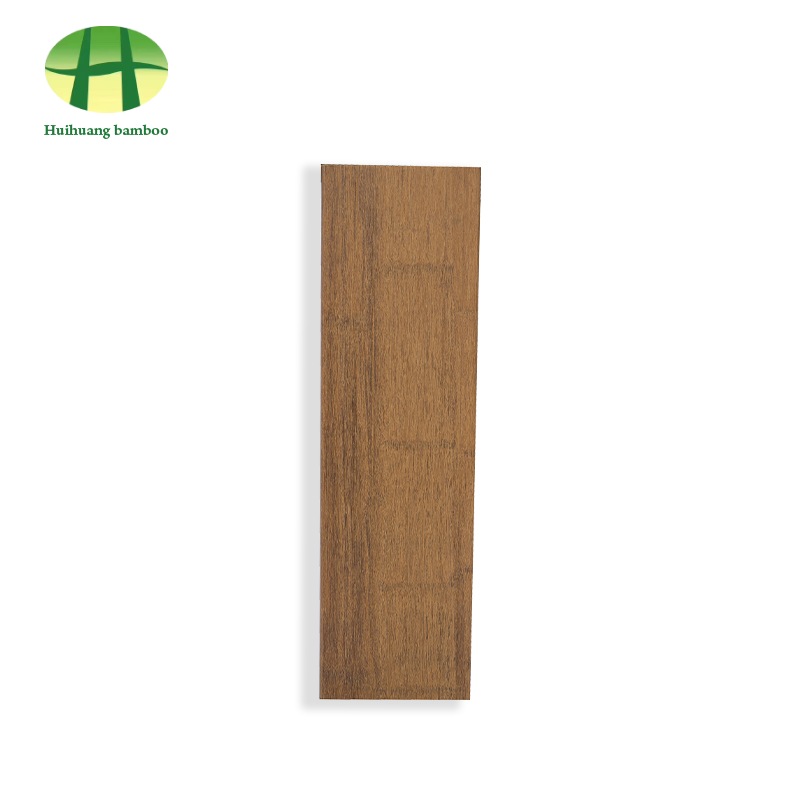 Custom Natural color glossy heavy solid bamboo hardwood flooring Manufacturers, Ningguo Kuntai Bamboo and Wood Co.,Ltd. Offer Custom Natural color glossy heavy solid bamboo hardwood flooring Manufacturers and Factory ...View Product →
Moisture Content and Dimensional Stability
Most field failures with bamboo flooring come from moisture, not from a lack of hardness. At delivery, moisture content should be between 6 and 9 percent. Use a pin-type moisture meter with a bamboo correction setting, and test at least three planks from different bundles. A reading above 10 percent suggests incomplete drying and raises the risk of shrinkage gaps later. A reading below 5 percent means the board may absorb moisture quickly on site and expand.
The 24-hour water soak is the most practical stability check. Submerge a small sample in clean water, measure the thickness before and after, and calculate the swelling rate. Following the EN 317 method, a quality strand woven bamboo board stays under 8 percent thickness swelling, and the best products remain below 5 percent. We explain the specific thresholds in our overview of EN 317 stability limits for outdoor bamboo flooring.
| Property | Test method | Acceptable range |
|---|---|---|
| Density | Weight divided by volume | 1,100 to 1,200 kg/m³ |
| Moisture content | Pin-type moisture meter | 6 to 9 percent |
| Thickness swelling after 24-hour water soak | EN 317 method | Below 8 percent |
| Janka hardness | Manufacturer test report | 3,000 lbf or higher |
| Joint fit | Hand-fit two planks | No visible gap |
Give the Floor Time to Acclimatize
Even a well-made board moves when the site environment differs from the factory. Let the planks acclimatize for 48 to 72 hours in the room where they will be installed, stacked loosely so air can pass between them. Measure a few planks before and after acclimation. Large dimensional change at this stage points to inadequate resin loading or unstable raw material.
Visual Inspection: Surface, Color, and Fiber
Look at the planks under natural light before you install anything. Check color uniformity across several boards. Natural-color strand woven bamboo should show an even, warm tone, while carbonized boards should be dark and consistent without patchy caramel spots. The fiber texture should look dense and uniform, with no loose strands, pinholes, or tiny cracks along the edges.
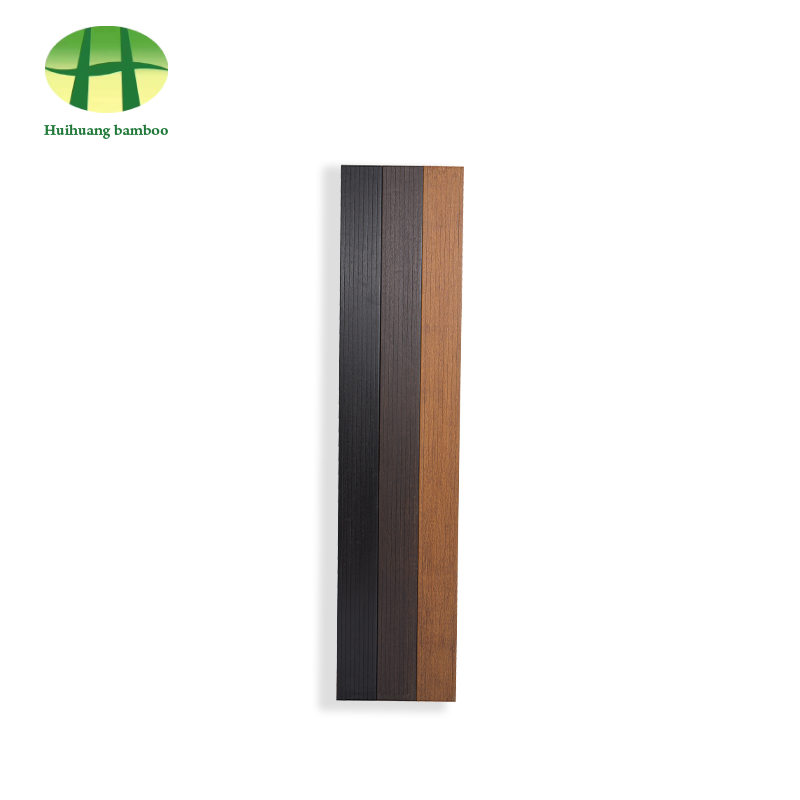
Resin distribution is visible in the cross-section. A uniform, glossy cross-section indicates consistent pressing, while a dull or blotchy cross-section suggests uneven resin penetration. If a supplier offers samples with perfect faces but rough ends, treat the ends as the better evidence of production quality. For projects that call for a deep, uniform brown tone, a carbonized color strand woven bamboo flooring product combines consistent color with the density the category is known for.
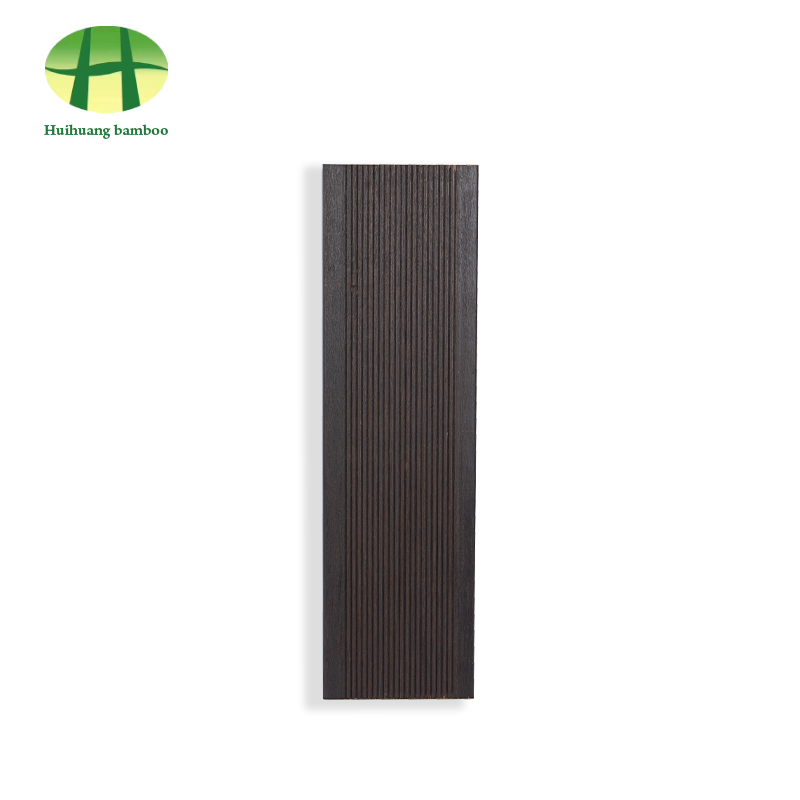 Custom eco friendly Carbonized color bamboo composite flooring Manufacturers, FaNingguo Kuntai Bamboo and Wood Co.,Ltd. Offer Custom eco friendly Carbonized color bamboo composite flooring Manufacturers and Factory In...View Product →
Joint Profile and Backing
Tongue-and-groove fit determines both installation speed and long-term performance. Take two planks from separate bundles and fit them by hand. A precise joint slides together with light pressure and shows no visible gap. Loose joints invite water into the subfloor in outdoor decks and produce creaking sounds indoors.
The backing reveals how much care the factory puts into the whole board, not just the visible face. It should be flat and clean, with no lifted fibers or signs of delamination. Press a fingernail into the edge, and the material should feel solid rather than crumbly. If the backing feels soft, the board probably uses lower-density material in the core, which weakens fastenings and accelerates wear.
Slip Resistance and Coating Durability
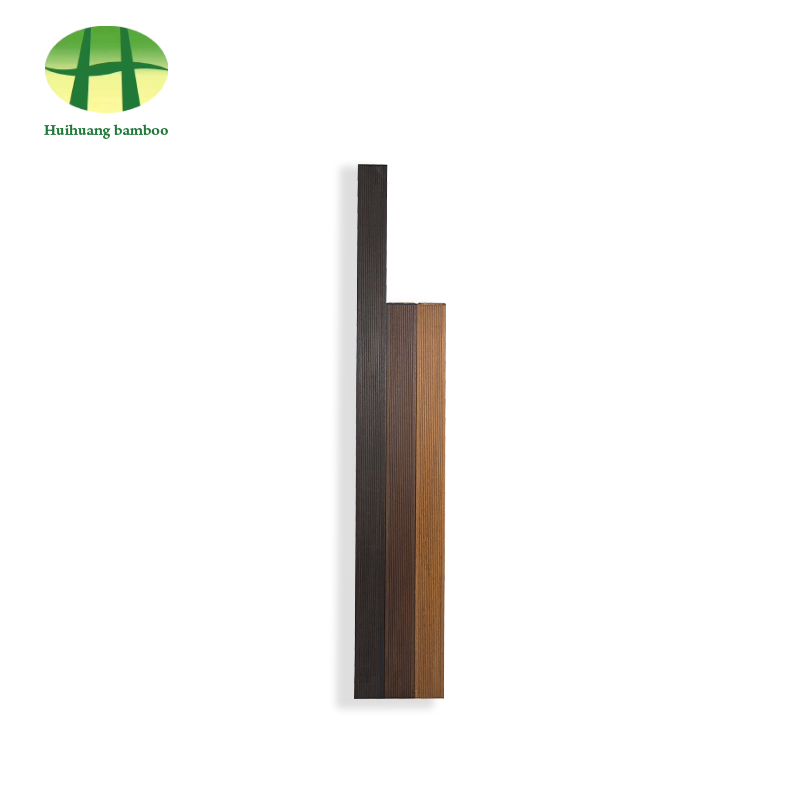
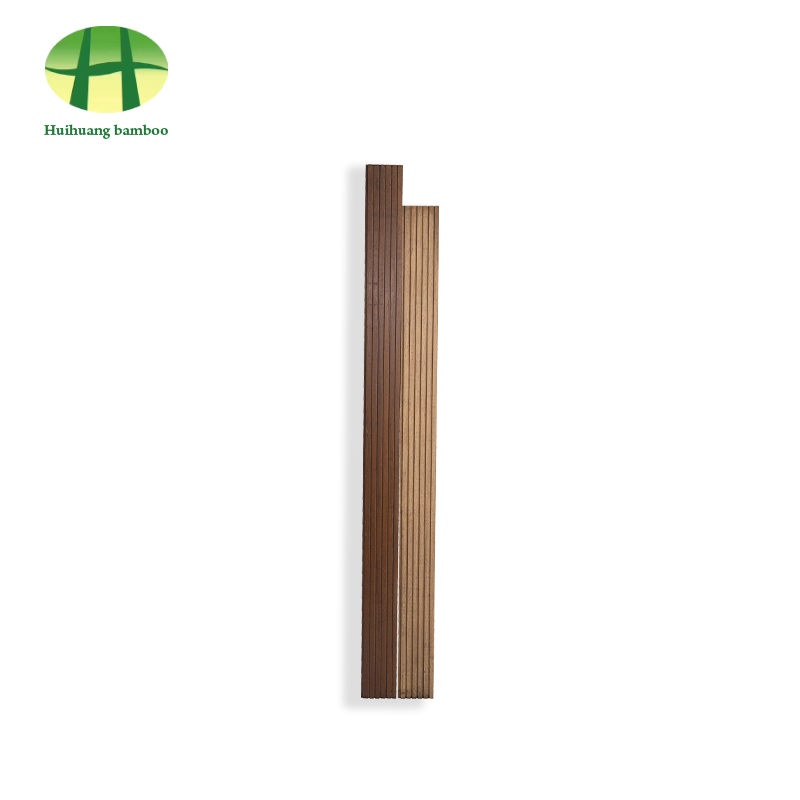
On outdoor decks and pool surrounds, slip resistance is a safety requirement. Grooved and brushed profiles create mechanical traction that smooth surfaces lack. Test with water: pour water on the sample, press down with a flat-soled shoe, and see how quickly grip returns. A board that feels slippery when wet is wrong for outdoor use, regardless of its hardness. A small groove anti-slip bamboo flooring product provides dependable traction for frequently wet areas.
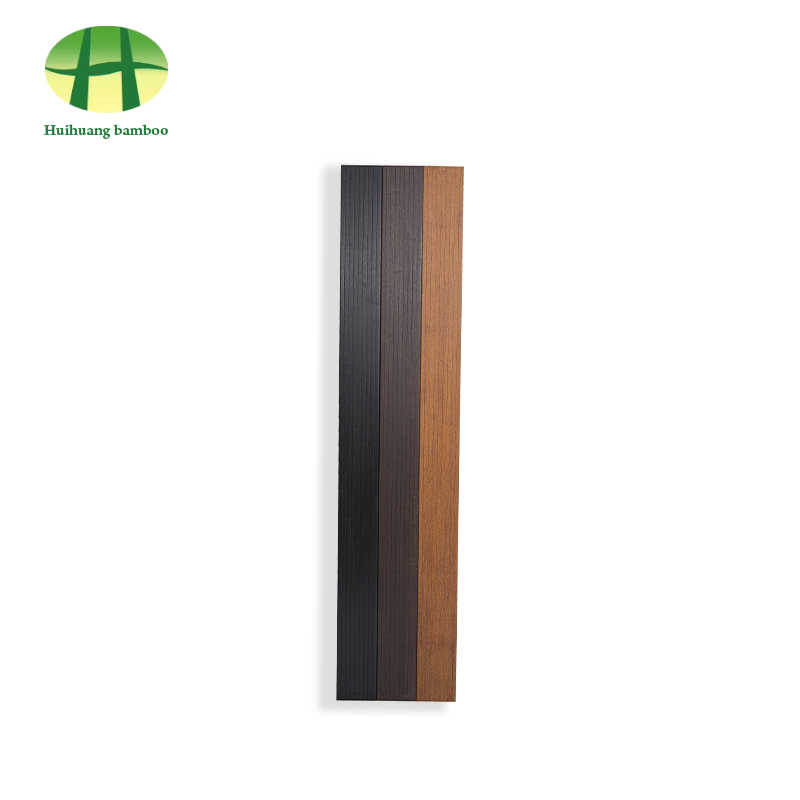 Custom High Density Carbonized Outdoor Bamboo Flooring With Small Grooves Anti SNingguo Kuntai Bamboo and Wood Co.,Ltd. Offer Custom High Density Carbonized Outdoor Bamboo Flooring With Small Grooves Anti Slip Wear Re...View Product →
Coating durability also controls how the floor looks after a few seasons. Ask whether the finish contains UV stabilizers. A simple exposure test with a spare sample, placed in direct sunlight for two weeks and compared against a covered section, shows the color shift you should expect before you commit to a full order.
What Paperwork Should Come with the Boards
Reliable suppliers share production data without hesitation. Request the batch-specific test results for density, Janka hardness, moisture content, and swelling. Third-party certification adds another layer of confidence: FSC for raw material traceability, CE for European market entry, ISO 9001 for production quality control, and independent reports from recognized laboratories.
A supplier that cannot produce batch-level documentation is a larger risk than any single test you can run yourself. Inconsistency between batches is exactly what generates surprise failures in the field, so the documentation matters as much as the physical checks.
Test Samples Before You Commit to a Full Order
Never order a full shipment from specification sheets alone. Order sample planks from two or three suppliers, run the same tests on every batch, and keep a record of the results. The best board is not the one with the loudest marketing but the one that passes density, moisture, hardness, and swelling tests consistently, batch after batch.
Each project has its own exposure conditions, and the final decision should also account for how the floor will be installed and maintained. Our guide on how to choose outdoor bamboo flooring for durability and easy maintenance walks through the practical trade-offs beyond the test bench. A short afternoon of hands-on testing, combined with honest production data from the supplier, gives you the confidence to specify strand woven bamboo flooring that will still be performing years after installation.
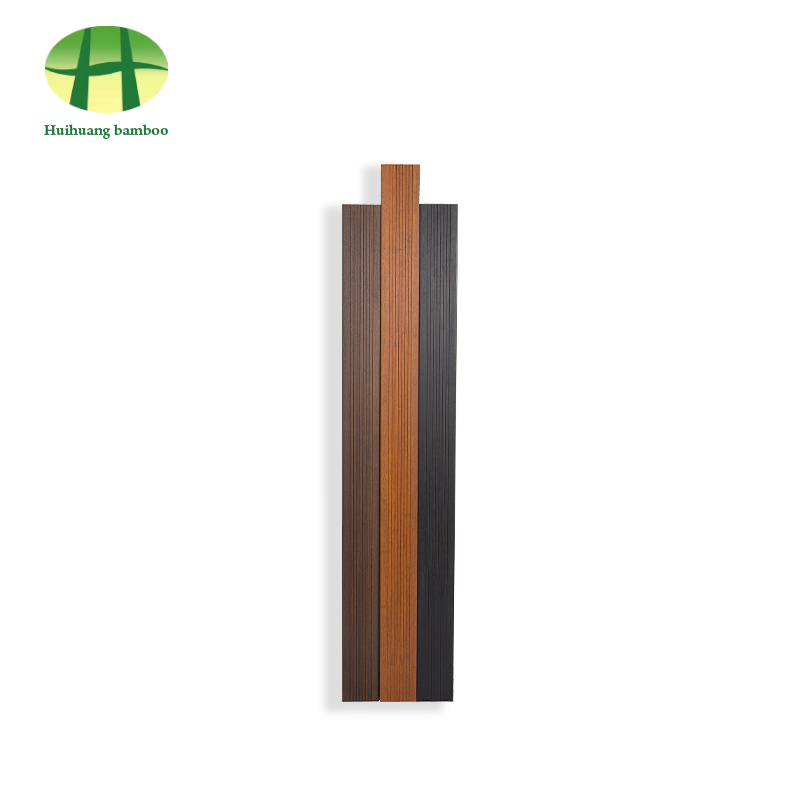
 View More


 +86-572-5215066 5216895
 office@hh-bamboo.com
 East Side of Huanggang RD,Ningdun County, Ningguo ,Xuancheng City,Anhui Province,China.