Carbonized Color Glossy Heavy Bamboo Decking Durable Outdoor Flooring
Our Products
Home / Products / Outdoor Strandwoven Bamboo Decking / Smooth Heavy Bamboo Flooring / Carbonized Color Glossy Heavy Bamboo Decking Durable Outdoor Flooring

Carbonized Color Glossy Heavy Bamboo Decking Durable Outdoor Flooring

Carbonized Color Glossy Heavy Bamboo Decking Durable Outdoor Flooring

Product Details

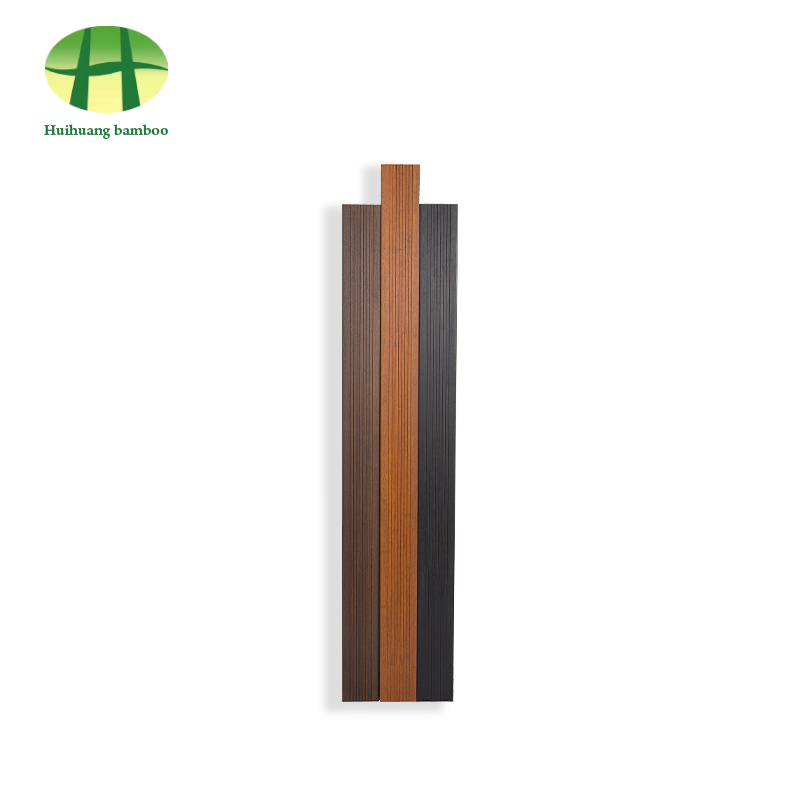
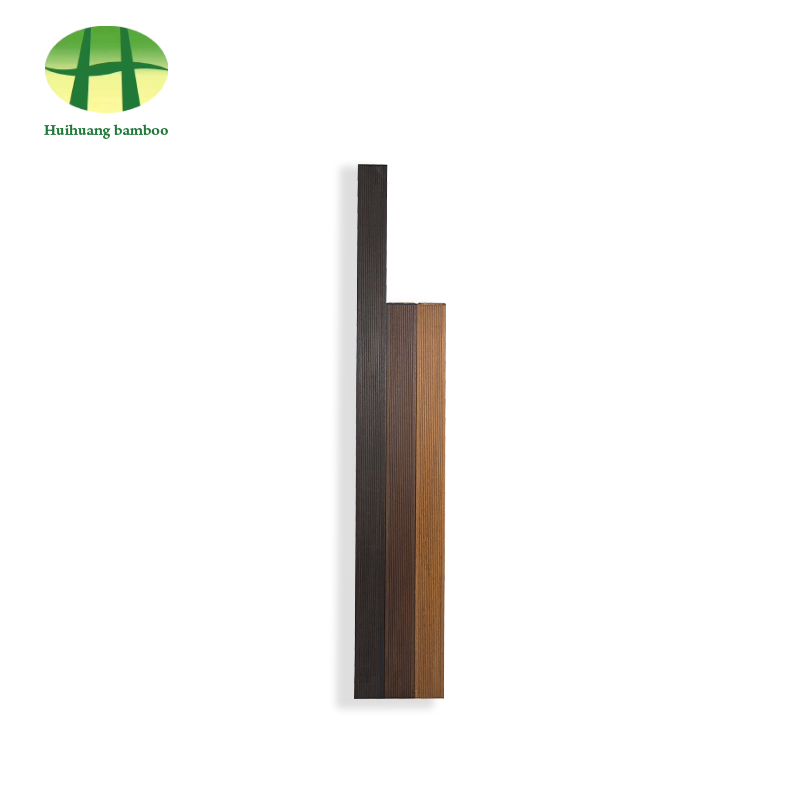
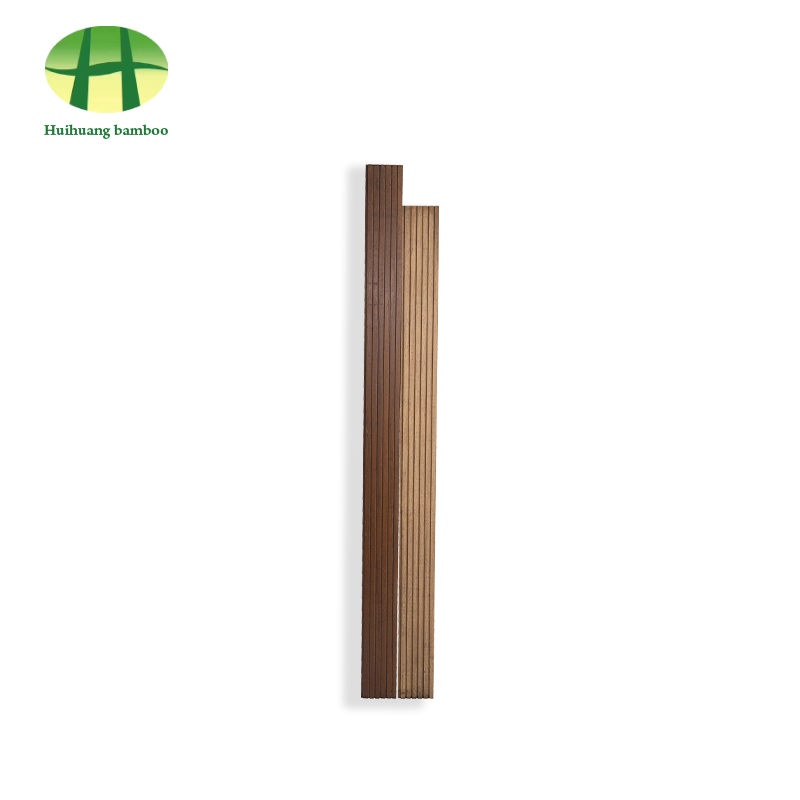
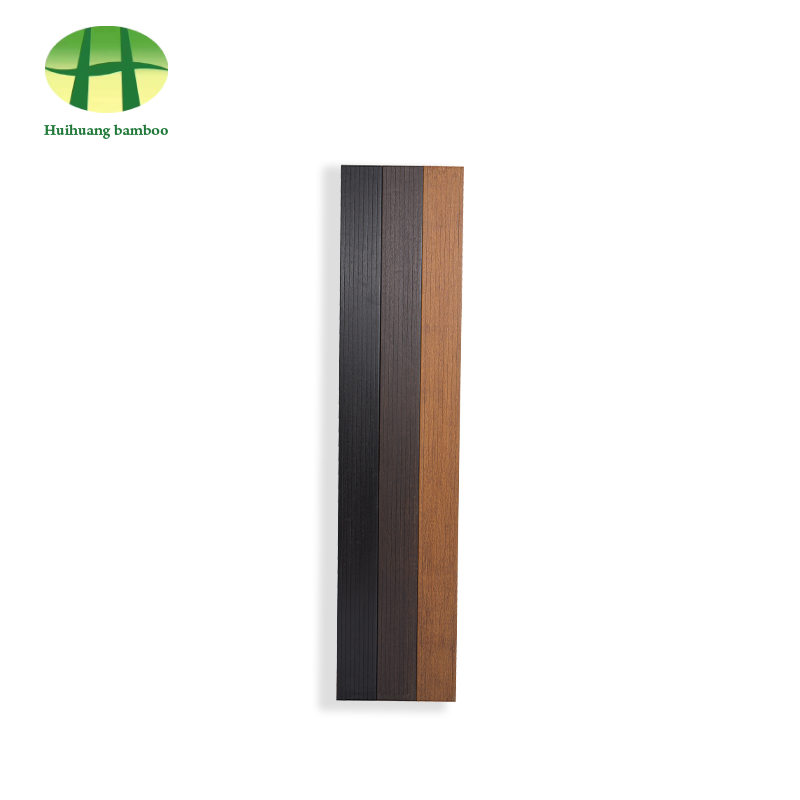
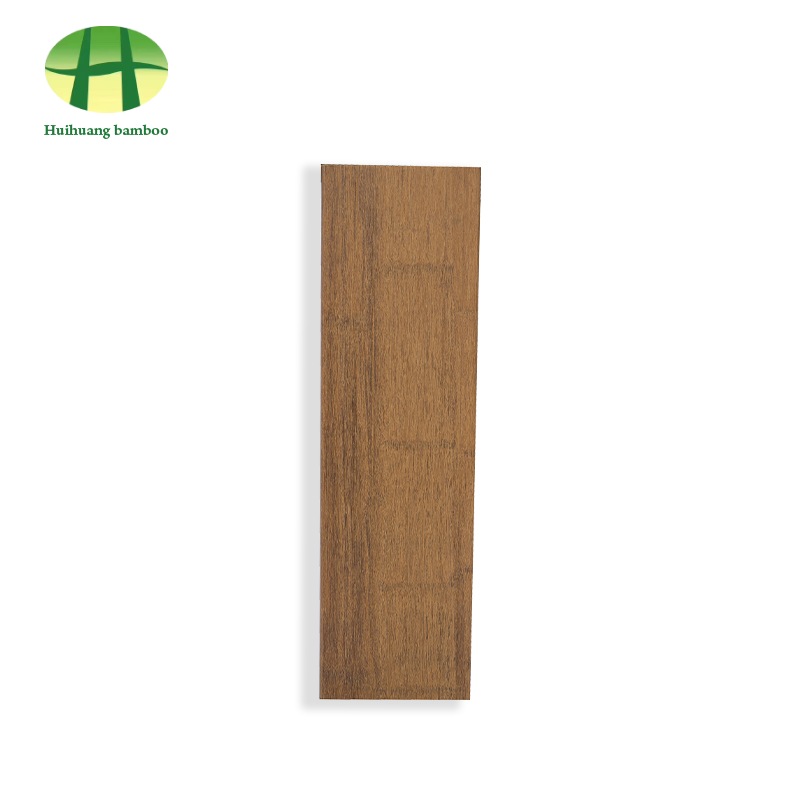
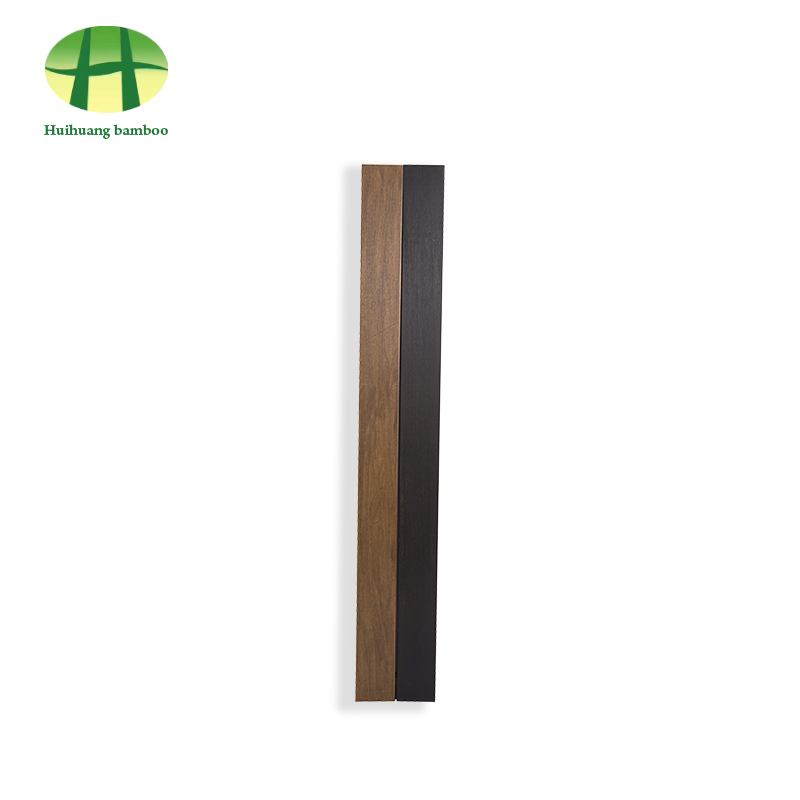
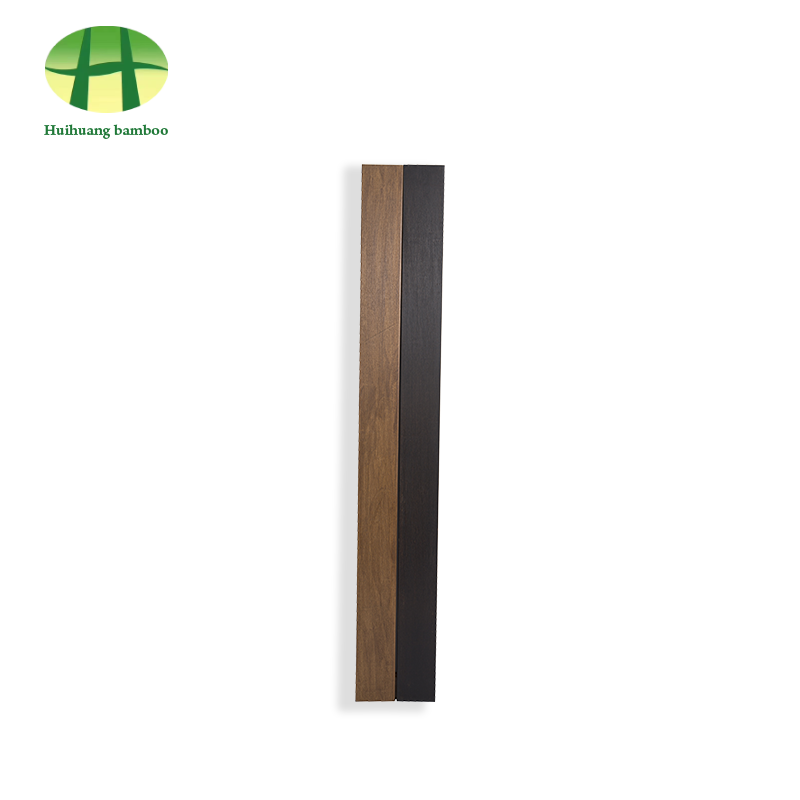
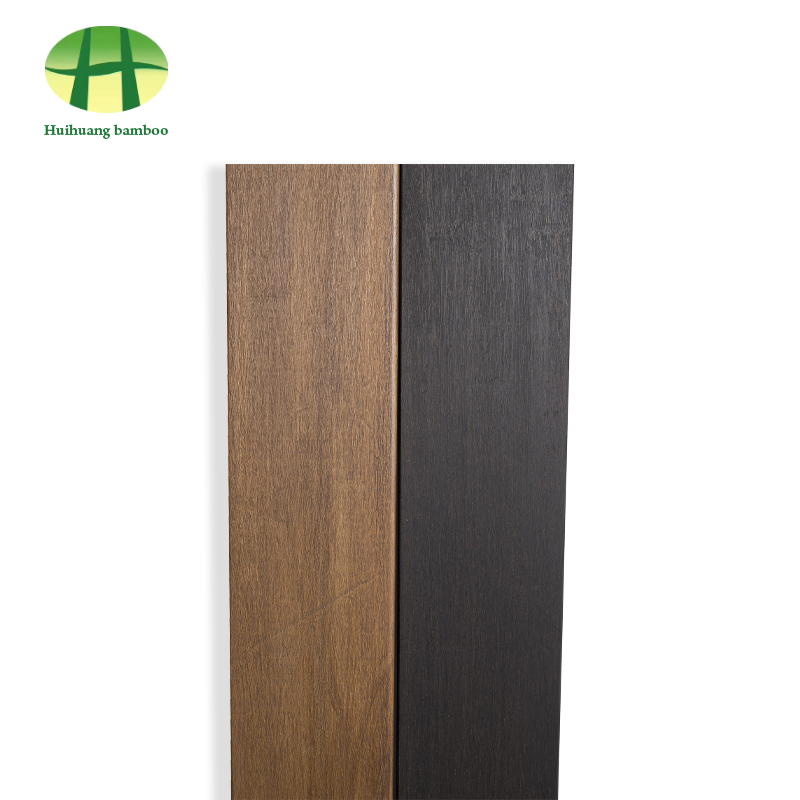
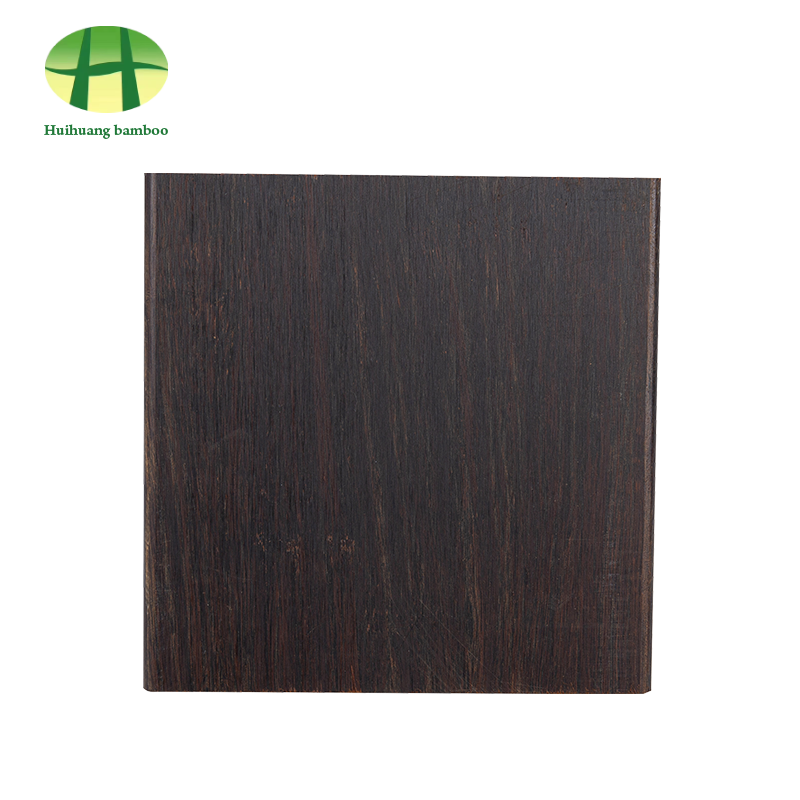
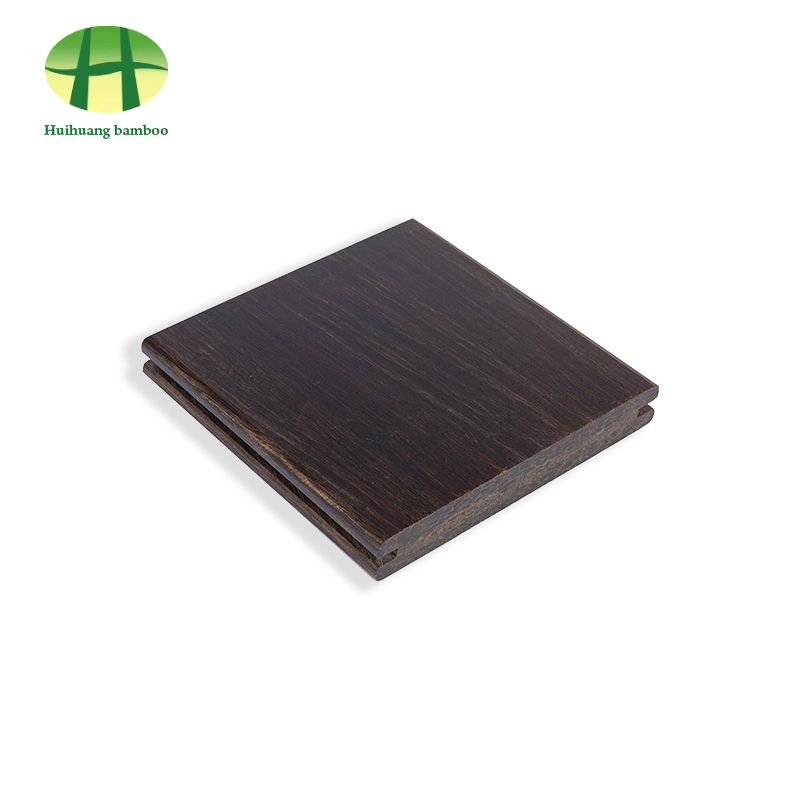
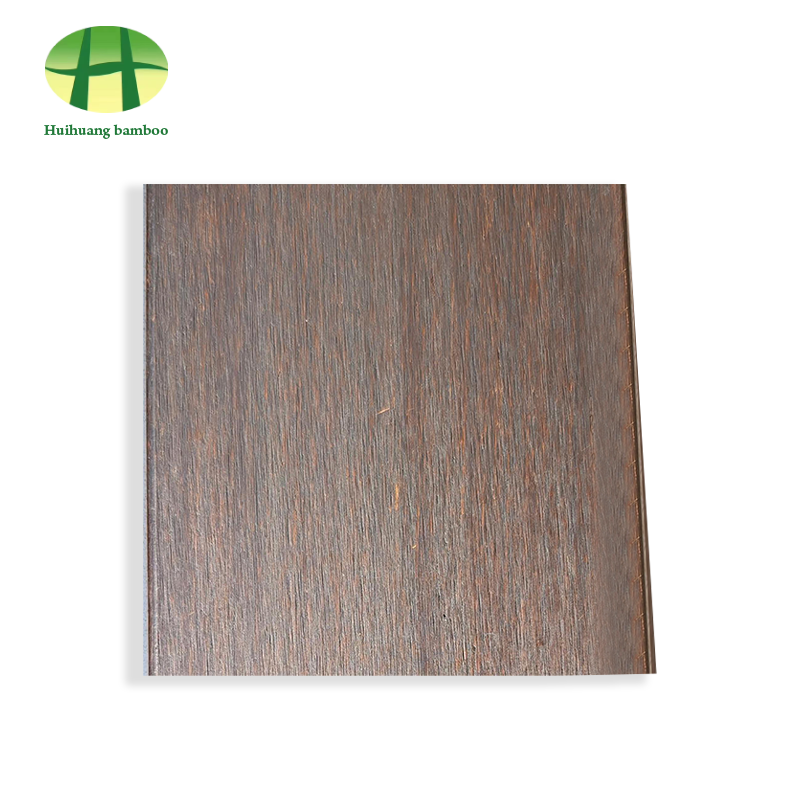
The coffee color after high-temperature carbonization has a calm tone and is suitable for modern style (customizable size such as L*W*18/20/30)

Product parameters

2000*140*18/20/30

contact us
  • Product description
  • Applications
  • About Us
  • Contact Us
    Carbonized color glossy heavy bamboo decking is manufactured through strand weaving technology. Bamboo fibers are crushed, saturated with phenolic resin, and compressed under hydraulic pressure exceeding 1,200 tons. The carbonization process at 180°C to 200°C removes organic sugars and starches from the bamboo cellular structure. This thermal modification produces a uniform amber color throughout the material cross-section. The glossy surface finish is achieved through a UV-cured aluminum oxide coating system. The resulting decking board exhibits material density between 1.15 g/cm³ and 1.25 g/cm³. The strand woven construction provides structural properties suitable for exterior flooring applications requiring resistance to mechanical wear and environmental exposure.
    1.15-1.25
    g/cm³
    Material Density
    ≥3,000
    lbf
    Janka Hardness
    180-200
    °C
    Carbonization Temperature
    UV-Cured
    Aluminum Oxide
    Surface Coating System
    Core Attributes
    Density and Hardness
    Strand weaving process produces material density of 1.15-1.25 g/cm³ with Janka hardness exceeding 3,000 lbf, providing resistance to indentation and surface wear from foot traffic and furniture loading.
    Carbonized Color Stability
    Thermal treatment at 180-200°C removes organic compounds prone to degradation. The resulting amber color extends through the full board thickness, maintaining visual consistency across cut edges and machined surfaces.
    Glossy Protective Layer
    UV-cured aluminum oxide coating system increases surface hardness and reduces moisture penetration through the wear layer. The gloss finish facilitates cleaning and reduces dirt adherence on outdoor decking surfaces.
    Moisture Resistance
    Phenolic resin saturation and high-density compression minimize water absorption. The carbonized fiber structure reduces hygroscopic expansion and contraction cycles when exposed to outdoor humidity variations.
    Product Specifications
    Construction Strand woven bamboo with phenolic resin binder
    Density Range 1.15 - 1.25 g/cm³ (EN 323)
    Janka Hardness ≥ 3,000 lbf (ASTM D1037)
    Surface Finish UV-cured aluminum oxide, gloss level 85-90
    Board Dimensions 1860 x 140 x 20 mm / 2200 x 150 x 25 mm (customizable)
    Moisture Content 8% - 12% at factory shipment
    Installation System Hidden clip fastening or face screw with pre-drilled countersink
    Application Zones
    Residential outdoor decks and patios
    Commercial restaurant and café terraces
    Hotel pool surrounds and spa deck areas
    Rooftop garden flooring systems
    Boardwalk and waterfront promenade surfacing
    Public park viewing platforms
    Frequently Asked Questions
    What is the expected service life of carbonized bamboo decking in outdoor applications?
    The strand woven construction with phenolic resin saturation provides structural stability for exterior use. Service life depends on local climate conditions, UV exposure intensity, and maintenance frequency. Under regular maintenance with annual oil application, the decking maintains structural integrity for 20-25 years in temperate climates. In tropical or coastal environments with high humidity and salt spray, the service life ranges from 15-20 years with appropriate maintenance protocols.
    How does the carbonization process affect the mechanical properties of bamboo decking?
    Carbonization at 180-200°C reduces the equilibrium moisture content of bamboo fibers from approximately 15% to 8-12%. This reduction in hygroscopicity decreases the material's tendency to expand and contract with humidity changes. The thermal treatment also removes hemicellulose and starches that serve as nutrient sources for decay organisms. Mechanical tests indicate that properly carbonized strand woven bamboo maintains 85-90% of its original flexural strength while achieving improved dimensional stability compared to non-carbonized bamboo products.
    What installation system is recommended for glossy carbonized bamboo decking?
    Two installation methods are available. The hidden clip system uses stainless steel clips that attach to the board's side groove, with clips mounted to joists at 400mm centers. This method eliminates visible fasteners on the deck surface. The face screw method uses stainless steel screws installed through pre-drilled countersunk holes at 300mm spacing along joist lines. Both methods require 5-6mm expansion gaps between board ends and 3-4mm gaps between board edges. Joist spacing should not exceed 400mm center-to-center for 20mm thickness boards.
Certificate Of Honor
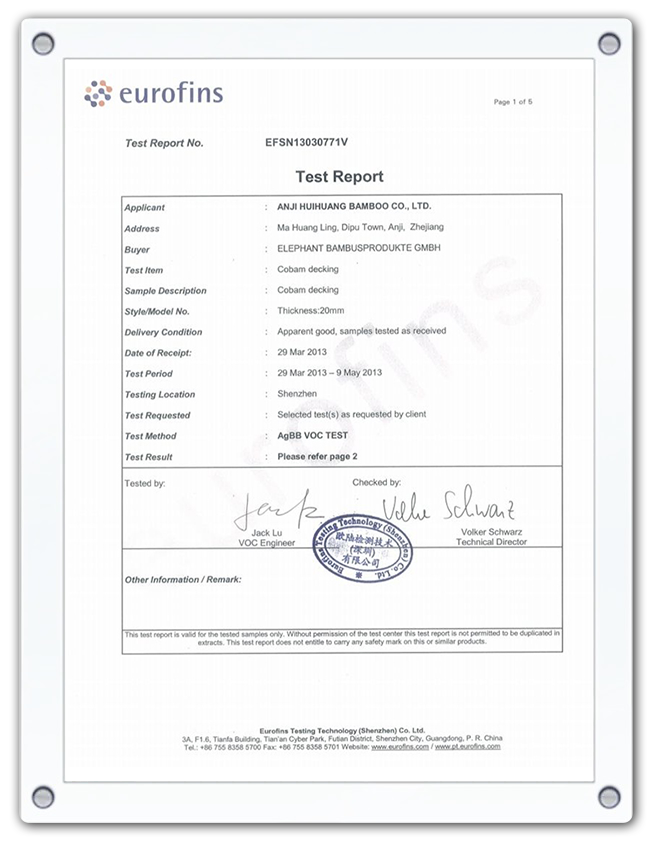
  • Eurofins
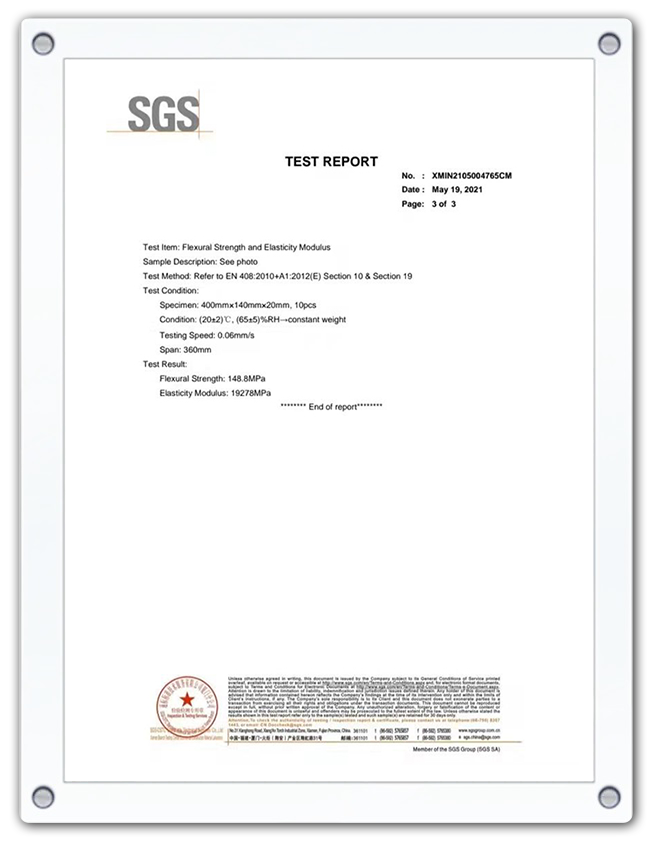
  • Flexural Strength And Elasticity Modulus
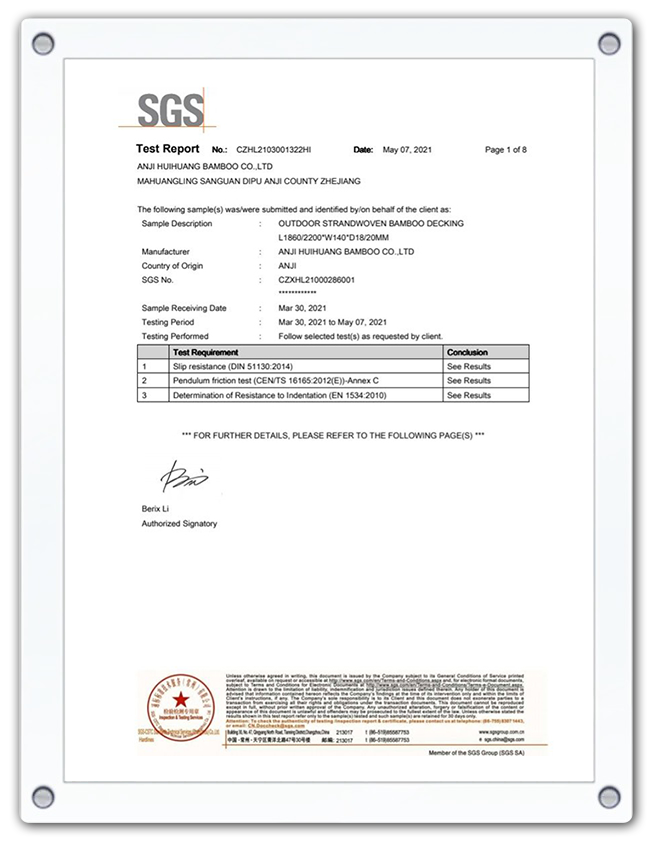
  • Slip Resistance
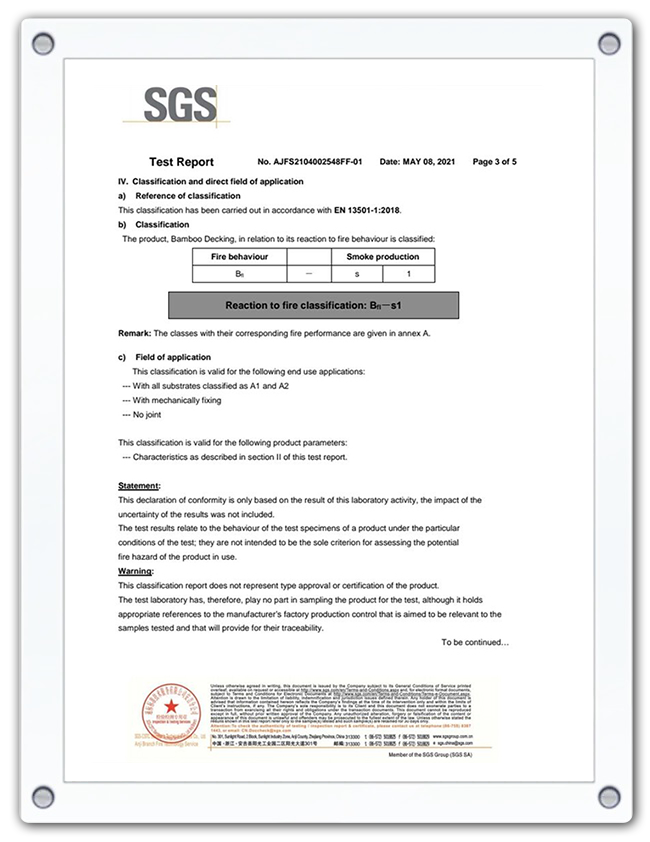
  • Fire Resistant
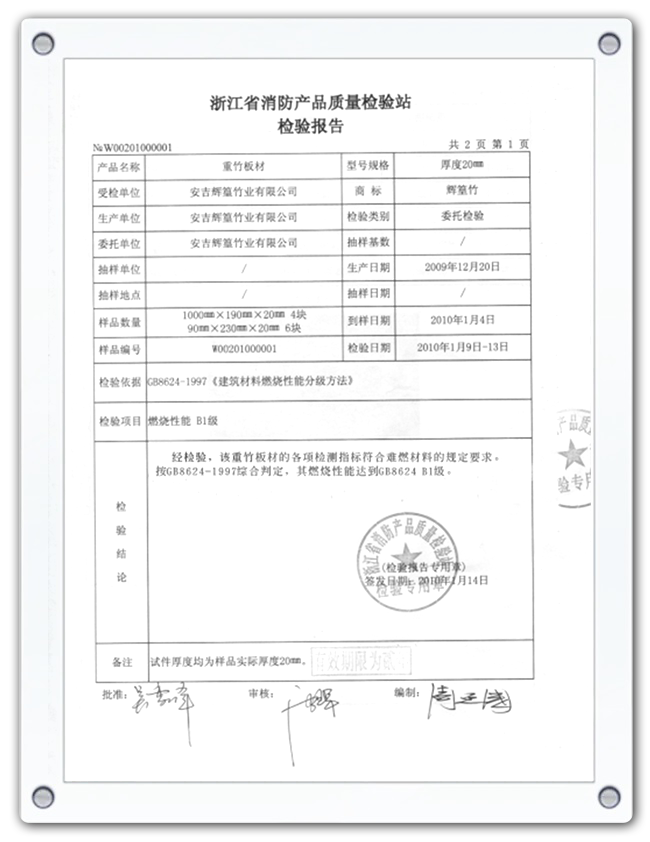
  • Floor Fire Test Report
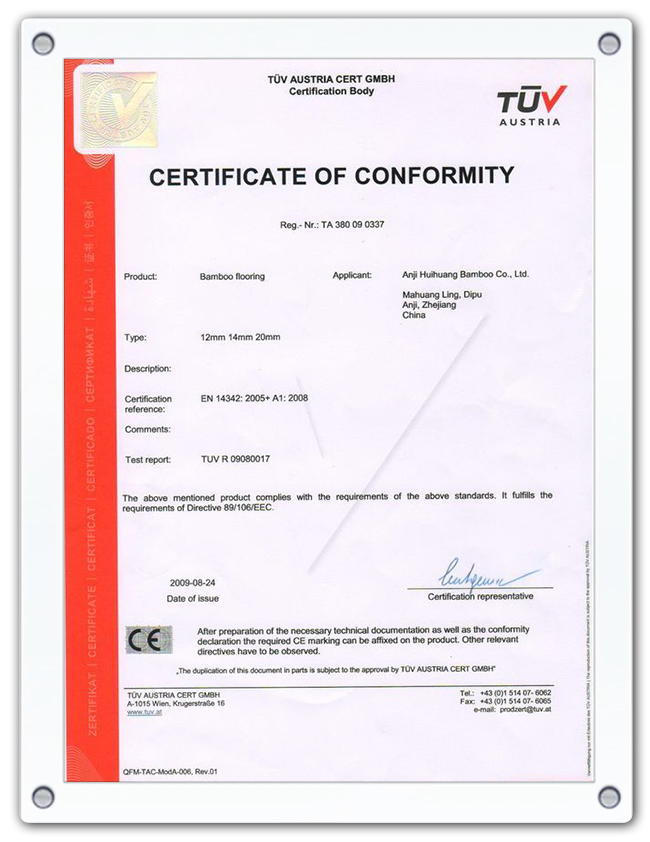
  • CE Certificate
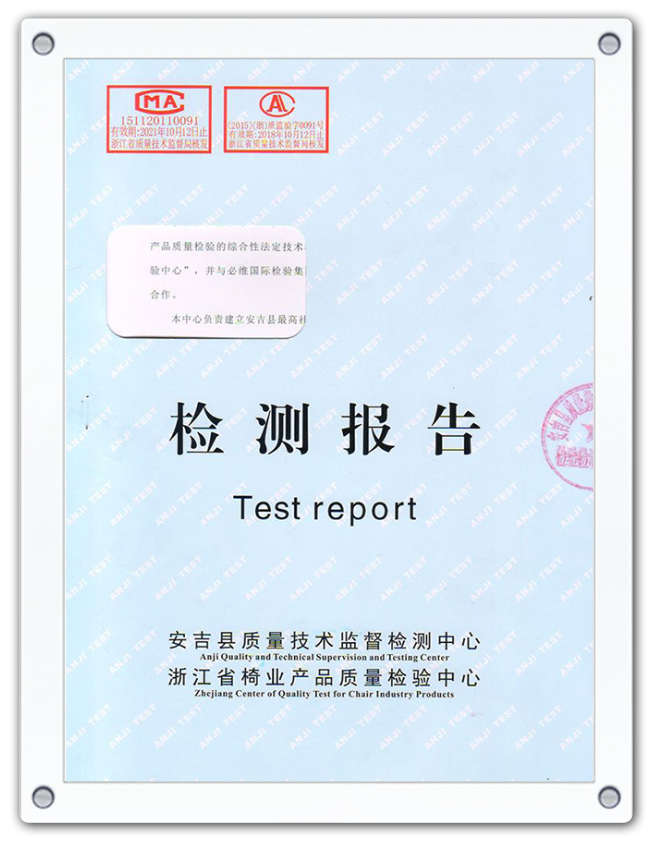
  • Decking Inspection Report
Latest News
Message Feedback