High Density Carbonized Outdoor Bamboo Flooring With Small Grooves Anti Slip Wear Resistant
Our Products
Home / Products / Outdoor Strandwoven Bamboo Decking / Anti Slip Patterned Heavy Bamboo Flooring / High Density Carbonized Outdoor Bamboo Flooring With Small Grooves Anti Slip Wear Resistant

High Density Carbonized Outdoor Bamboo Flooring With Small Grooves Anti Slip Wear Resistant

High Density Carbonized Outdoor Bamboo Flooring With Small Grooves Anti Slip Wear Resistant

Product Details

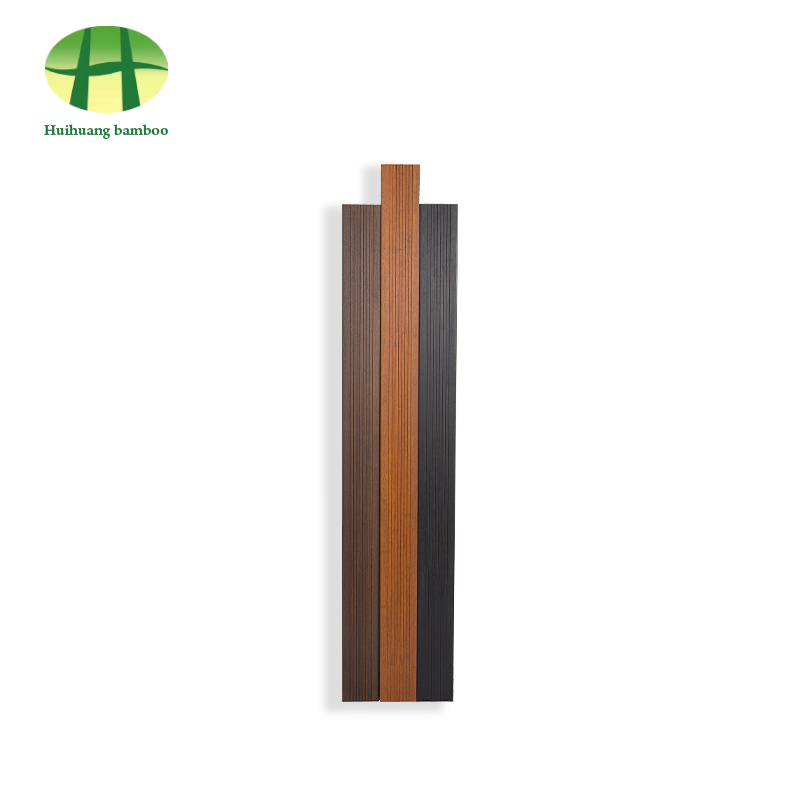
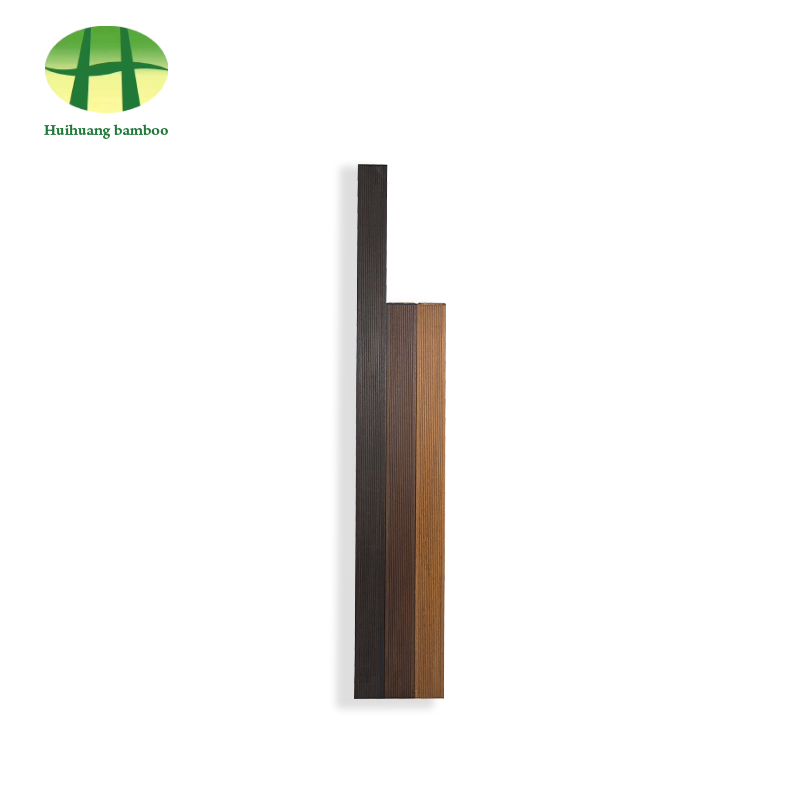
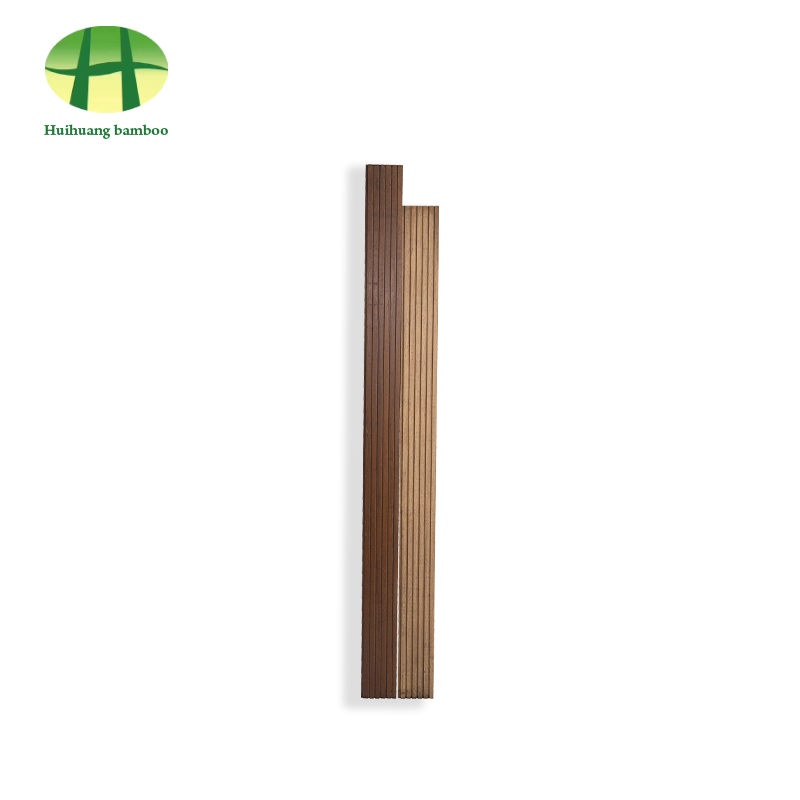
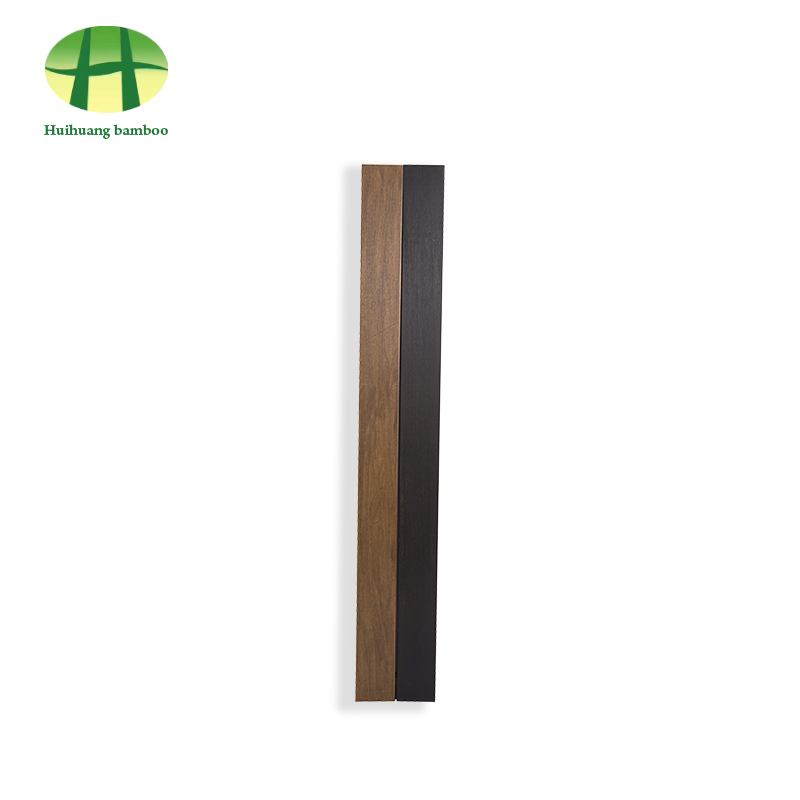
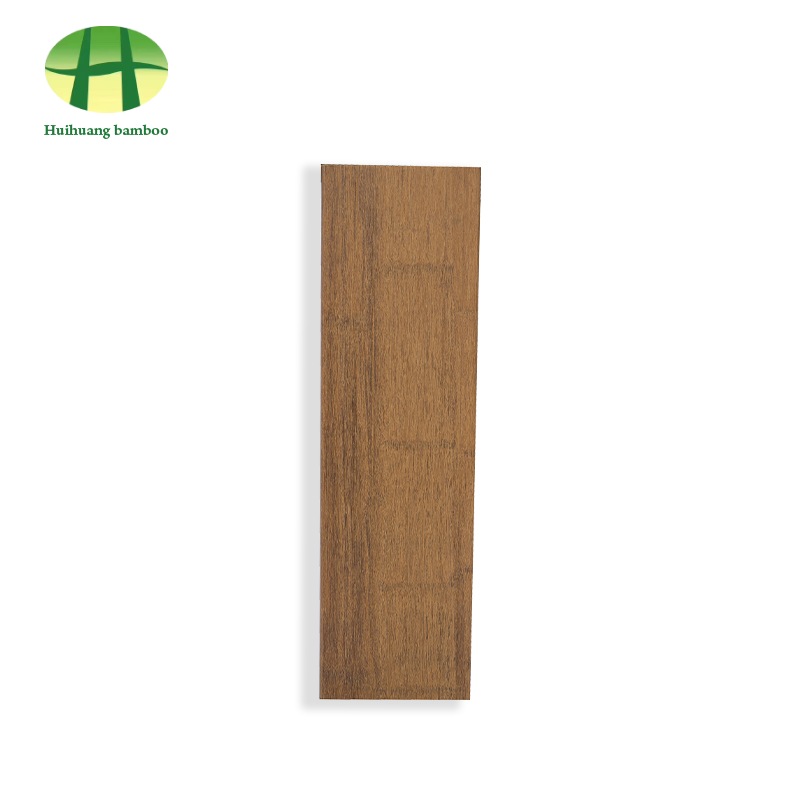
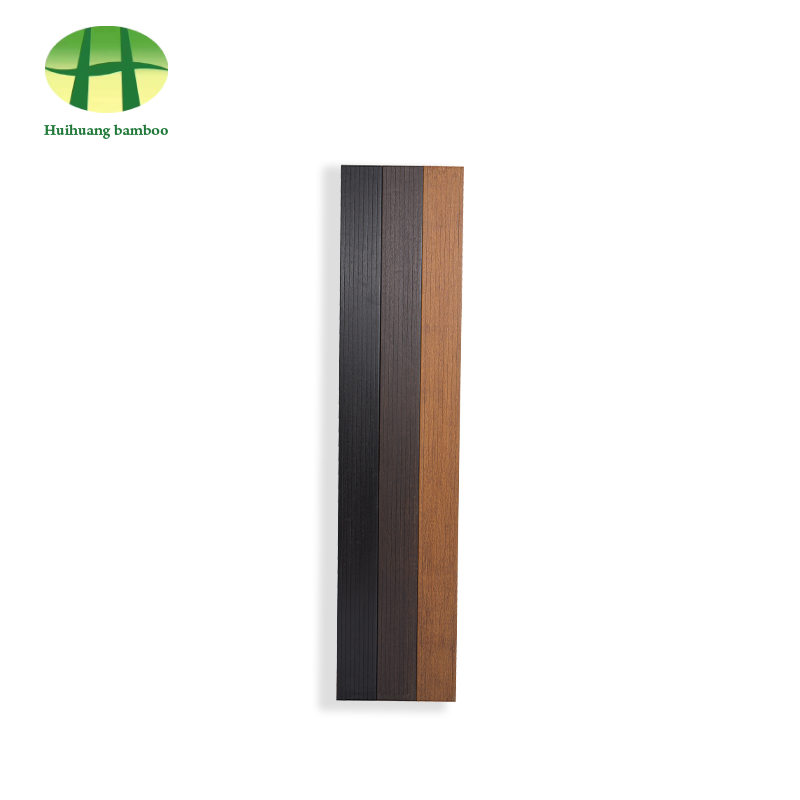
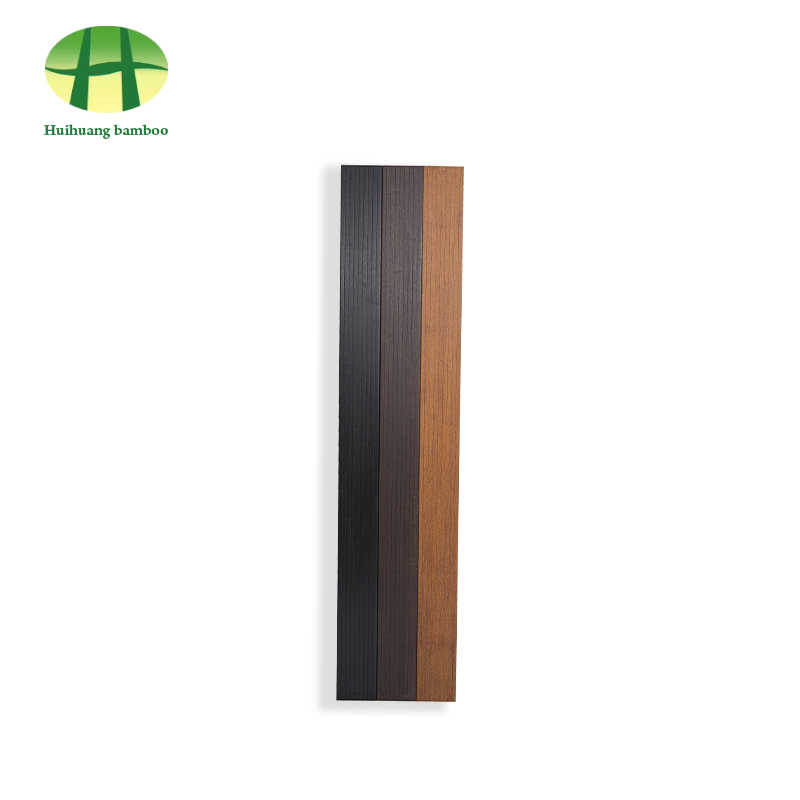
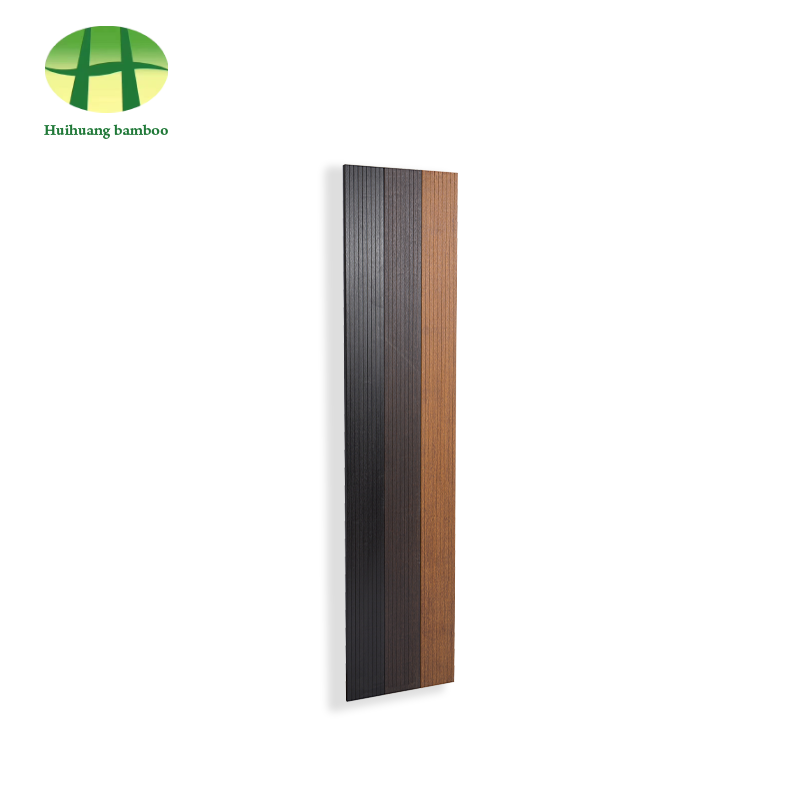
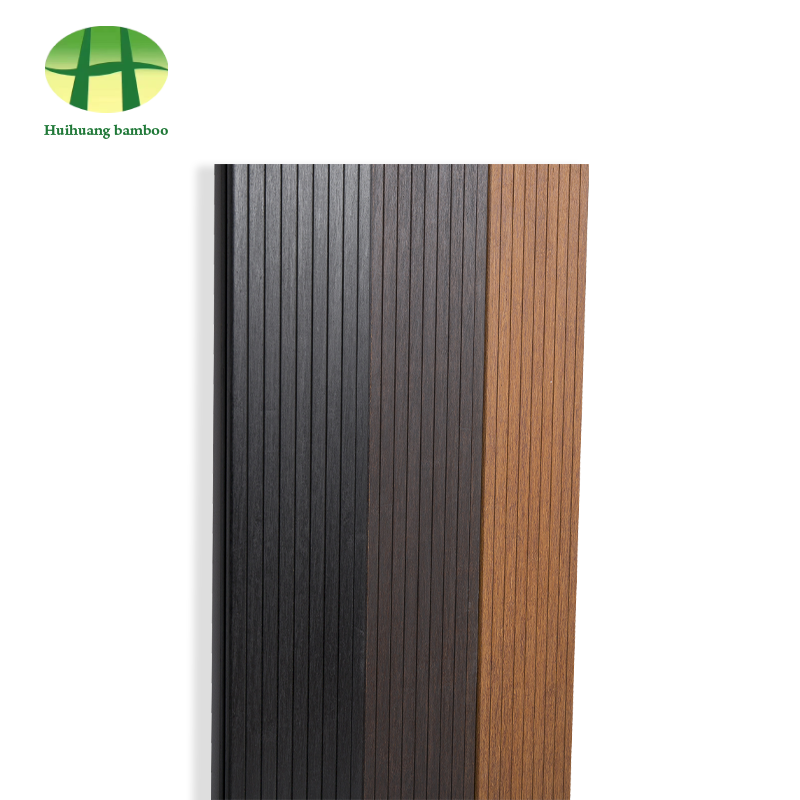
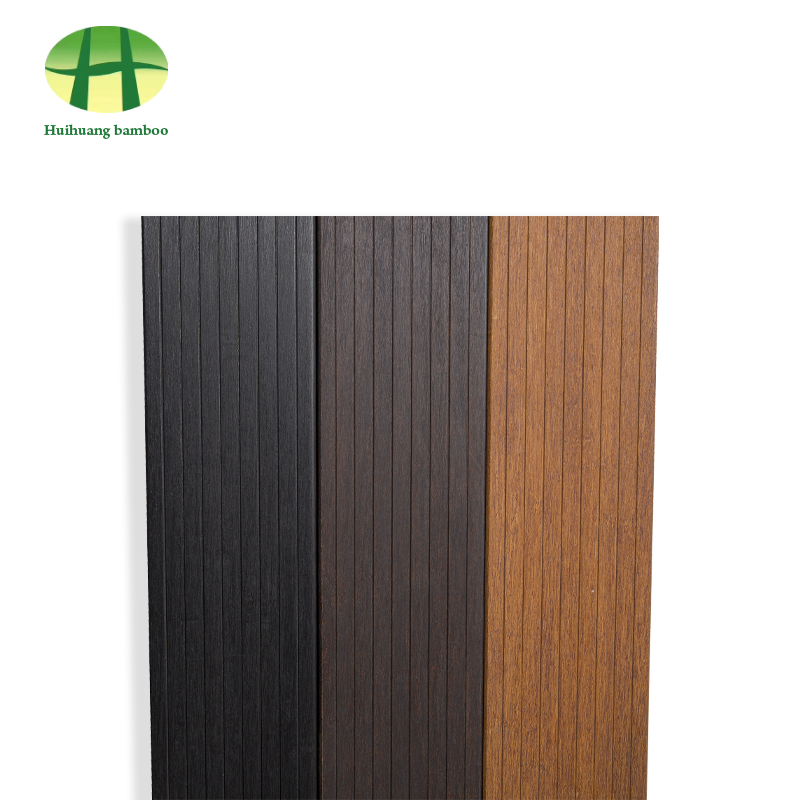
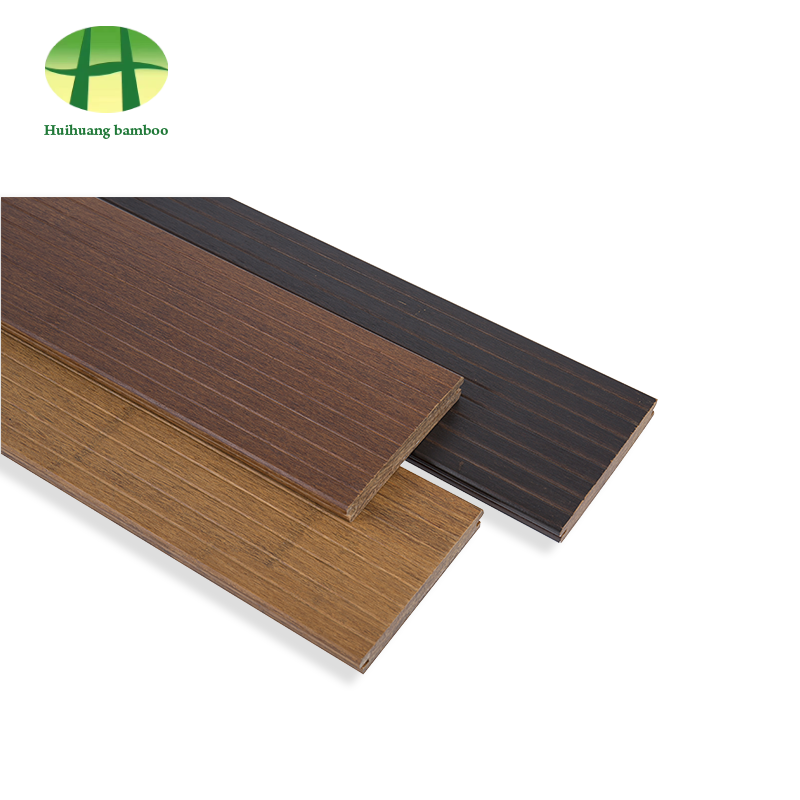
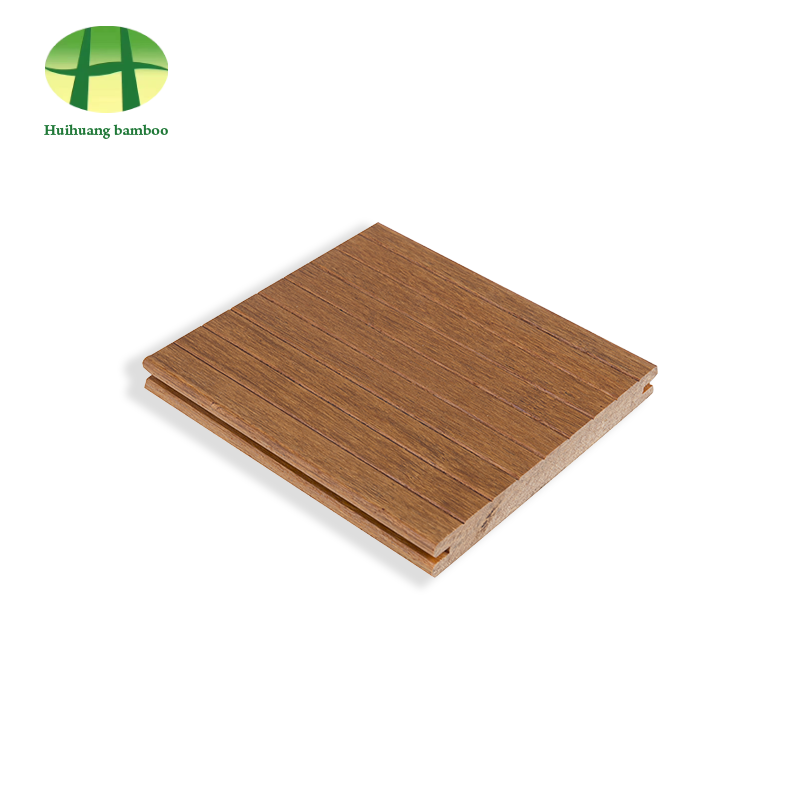
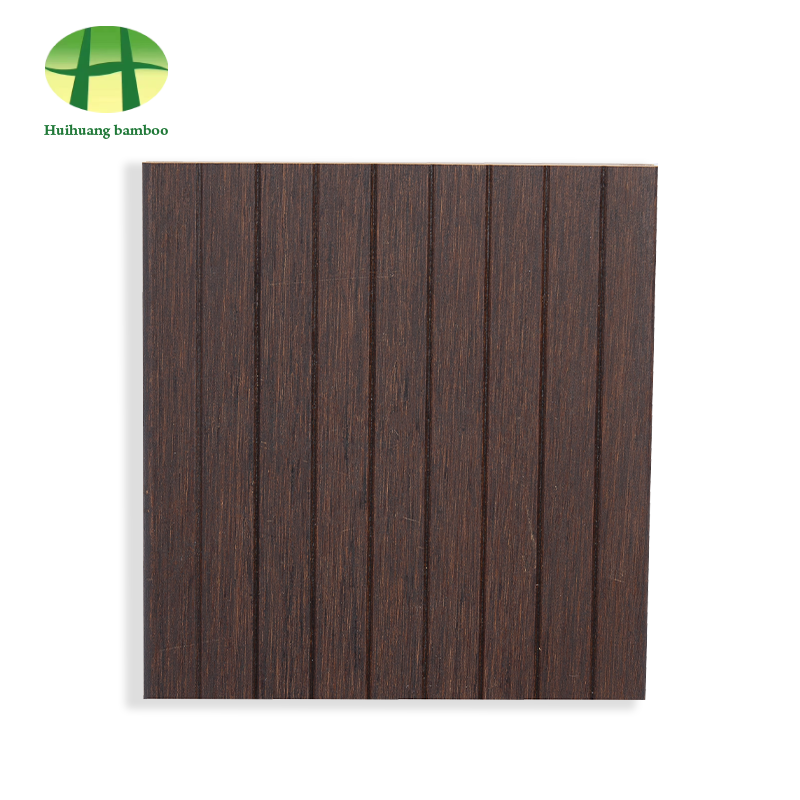
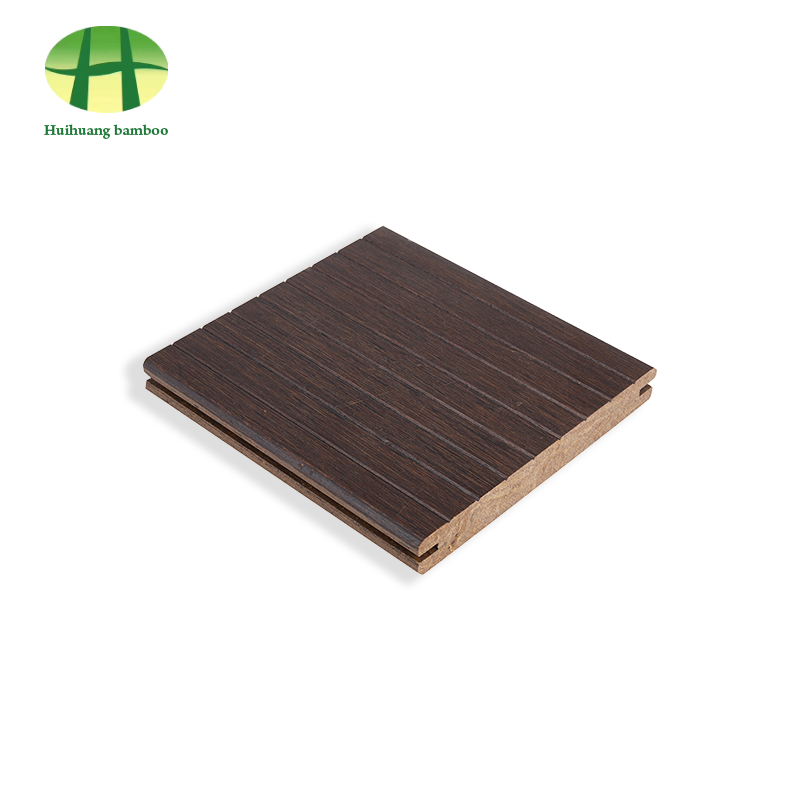
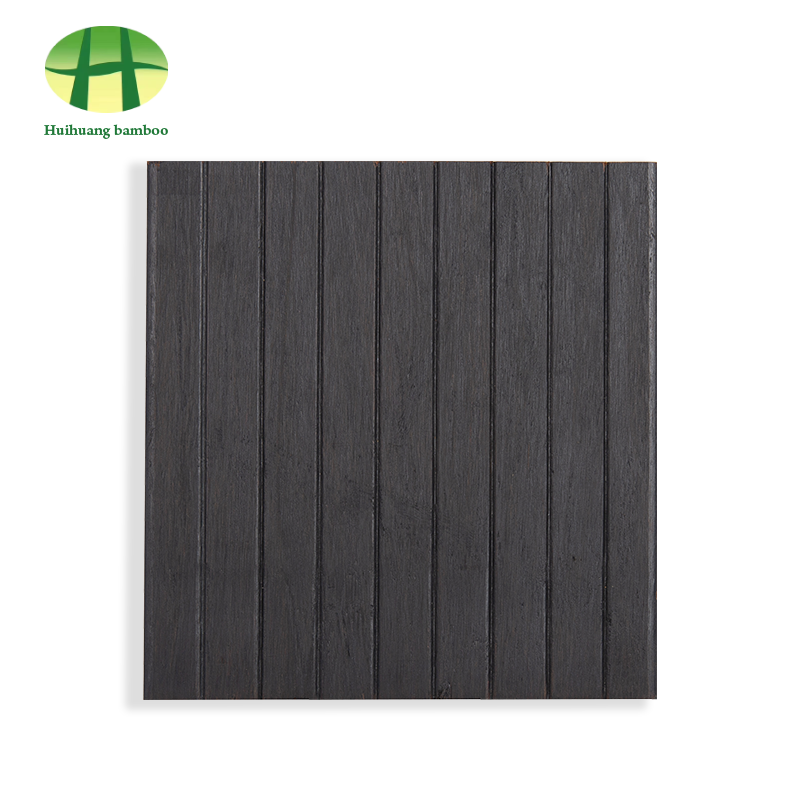
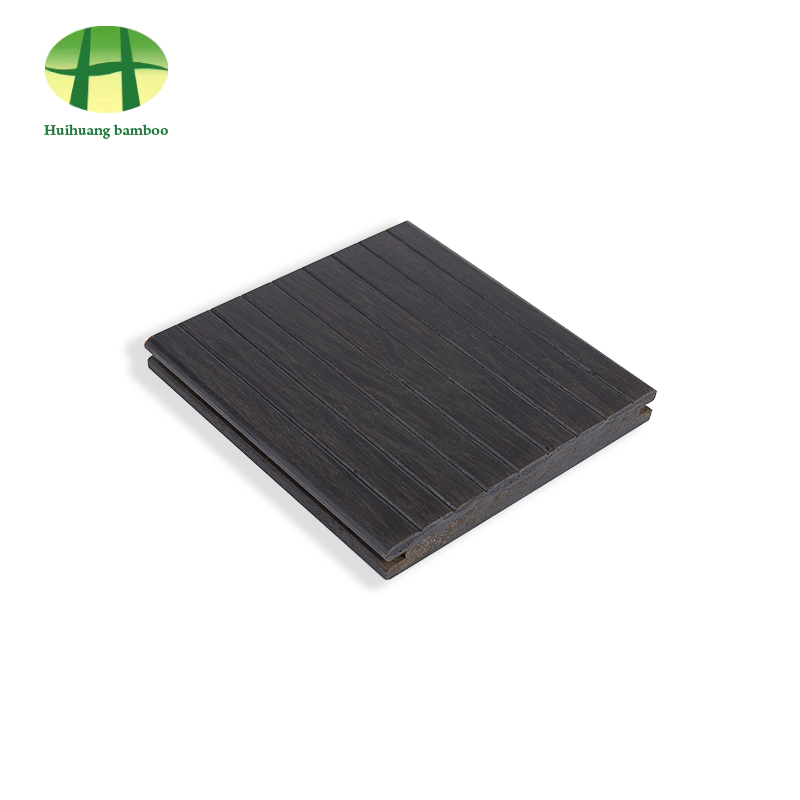
The surface has fine groove texture to increase the anti-slip property, suitable for wet areas, anti-slip, beautiful, easy to clean (customizable size such as L*W*18/20/30)

Product parameters

1860*140*18/20/30

contact us
  • Product description
  • Applications
  • About Us
  • Contact Us
    Surface Engineered · Anti-Slip Profile
    High Density Carbonized Outdoor Bamboo Flooring With Small Grooves
    Grooved Surface Carbonized Wear Resistant
    01
    Product Overview
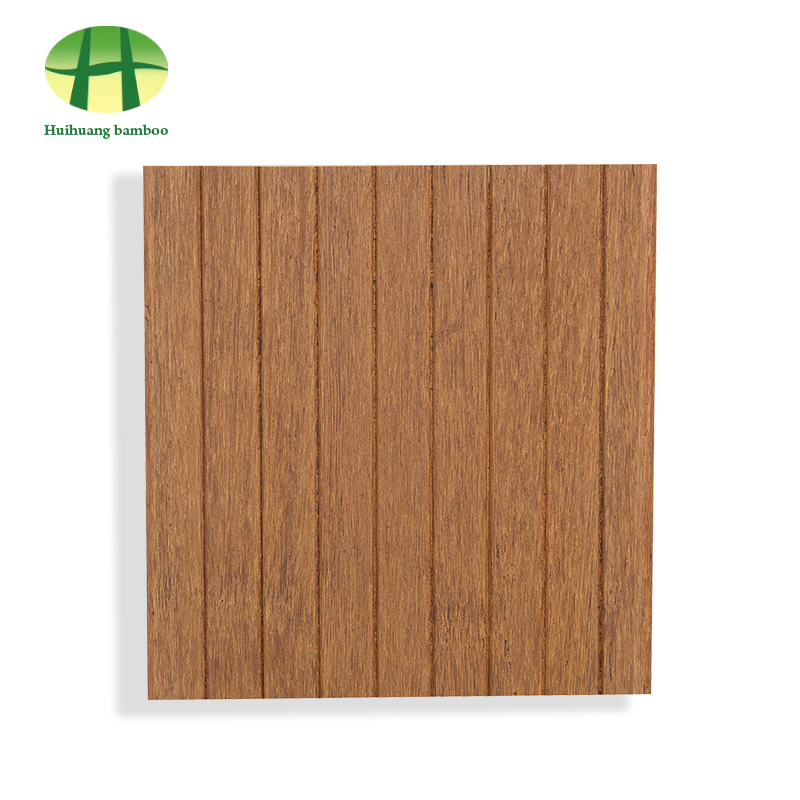
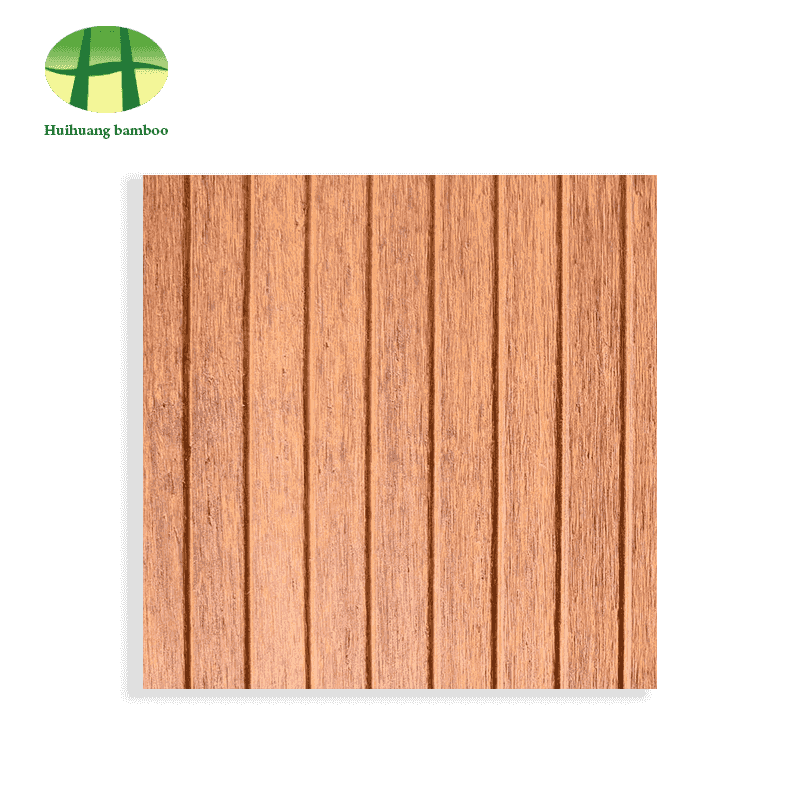
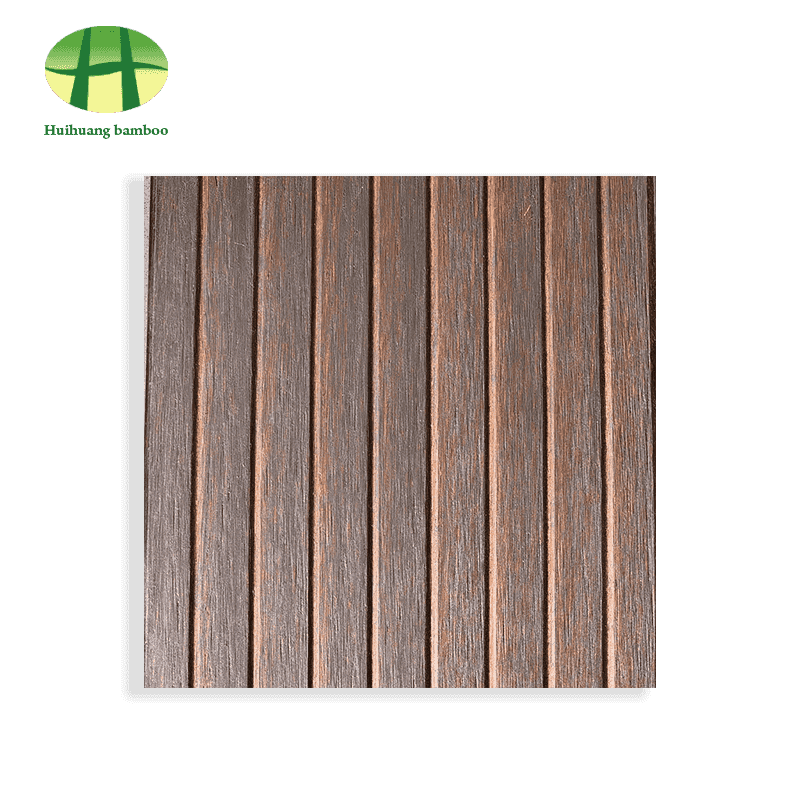
    High density carbonized outdoor bamboo flooring with small grooves is manufactured through strand weaving technology. Bamboo fibers are crushed, saturated with phenolic resin, and compressed under hydraulic pressure exceeding 1,200 tons. Carbonization at 180-200°C removes organic sugars and starches from the fiber structure. The surface features precision-milled small grooves with dimensions of 2mm width and 1mm depth, spaced at 20mm intervals across the board width. These grooves increase the friction coefficient of the walking surface. Material density ranges from 1.15 g/cm³ to 1.25 g/cm³. The thermal modification produces uniform amber color throughout the board cross-section and reduces equilibrium moisture content to 8-12%. The grooved surface profile provides mechanical slip resistance without the need for applied coatings or treatments.
    High Density Carbonized Outdoor Bamboo Flooring
    Main product surface with small groove pattern
    1.15-1.25 g/cm³ Density Range
    ≥3,000 lbf Janka Hardness
    2×1 mm Groove Dimension (W×D)
    20 mm Groove Spacing
    Core Properties
    Groove Profile for Slip Resistance
    Precision-milled small grooves measuring 2mm width and 1mm depth, spaced at 20mm intervals, increase surface friction coefficient without reliance on applied coatings. The mechanical groove pattern maintains slip resistance throughout the service life of the flooring, unlike surface treatments that wear off over time. Testing under wet conditions shows coefficient of friction values exceeding 0.6 as measured by ASTM D2394.
    High Density Strand Woven Construction
    Compression at 1,200 tons produces material density of 1.15-1.25 g/cm³, providing resistance to indentation and surface wear from foot traffic. The strand woven structure exhibits Janka hardness exceeding 3,000 lbf, comparable to the hardest tropical hardwood species. This density also reduces moisture absorption and provides resistance to mechanical damage.
    Carbonization for Stability
    Thermal modification at 180-200°C removes hemicellulose and starches from the bamboo structure. This process reduces equilibrium moisture content to 8-12%, limiting hygroscopic expansion and contraction cycles. The carbonized material also exhibits resistance to fungal decay and insect attack without chemical preservatives.
    Wear Resistance
    The combination of high density strand woven construction and groove geometry provides abrasion resistance for outdoor decking surfaces. The groove pattern creates a textured surface that reduces point loading on the wear layer, distributing foot traffic forces across the board surface. This design extends the usable service life of the flooring in high-traffic outdoor applications.
    Technical Specifications
    ConstructionStrand woven bamboo with phenolic resin
    Density1.15 - 1.25 g/cm³ (EN 323)
    Janka Hardness≥ 3,000 lbf (ASTM D1037)
    Groove Dimensions2mm width × 1mm depth
    Groove Spacing20mm center to center
    Carbonization Temperature180 - 200°C
    Moisture Content8% - 12% at factory
    Slip Resistance (wet)COF ≥ 0.6 (ASTM D2394)
    Grooved surface detail
    Groove close-up detail
    Bamboo flooring application
    Installed application view
    Application Areas
    Outdoor decking for residential and commercial projects
    Pool surrounds and spa areas requiring slip-resistant surfaces
    Commercial restaurant and café outdoor seating terraces
    Public boardwalks and waterfront promenade surfaces
    Rooftop garden decking systems
    Hotel and resort exterior flooring in high-humidity regions
    Frequently Asked Questions
    Q How does the small groove pattern affect cleaning and maintenance?
    The small groove pattern with 2mm width and 1mm depth is designed to facilitate cleaning while providing slip resistance. Standard deck cleaning with a soft-bristle brush and neutral pH detergent removes debris from the groove channels. Pressure washing at 5-7 MPa maximum with 300mm standoff distance effectively cleans the groove profile. The groove dimensions prevent accumulation of fine particles that would be difficult to remove, unlike deeper or wider groove patterns that trap debris. For commercial applications, quarterly cleaning maintains the slip resistance performance of the grooved surface.
    Q What is the relationship between carbonization and the durability of the groove profile?
    Carbonization at 180-200°C reduces the moisture content of bamboo fibers to 8-12%, which decreases the dimensional movement of the material. This stability extends to the groove geometry, maintaining the precision-milled dimensions across seasonal humidity changes. The thermal treatment also removes organic compounds that would otherwise attract decay organisms, protecting the groove edges from biological degradation. The combination of high density and carbonization means the groove profile retains its dimensions and slip resistance properties throughout the service life of the flooring.
    Q Does the grooved surface require specialized installation considerations?
    The grooved surface does not require installation modifications compared to smooth-surface bamboo decking. Boards are installed using standard hidden clip systems or face screw methods with pre-drilled countersunk holes. The groove pattern does not interfere with fastener placement or board interlocking. Joist spacing of 400mm maximum centers applies for boards with 18-20mm thickness. The groove orientation follows the board length and does not affect the structural performance of the decking. Expansion gaps of 5-6mm between board ends and 3-4mm between board edges remain necessary for thermal movement.
    Q What is the expected wear resistance of the groove pattern under heavy foot traffic?
    The groove pattern is mechanically milled into the strand woven bamboo surface, meaning the slip resistance is integral to the board rather than applied as a coating. Wear testing under ASTM D2394 indicates groove depth retention exceeding 85% after 50,000 cycles of abrasive testing. The high density of the strand woven material at 1.15-1.25 g/cm³ provides abrasion resistance to the groove edges. In commercial installations with daily foot traffic of 500-1,000 pedestrian passes, the groove depth reduces by less than 0.2mm per year, maintaining slip resistance performance for 15-20 years before any noticeable reduction in groove depth occurs.
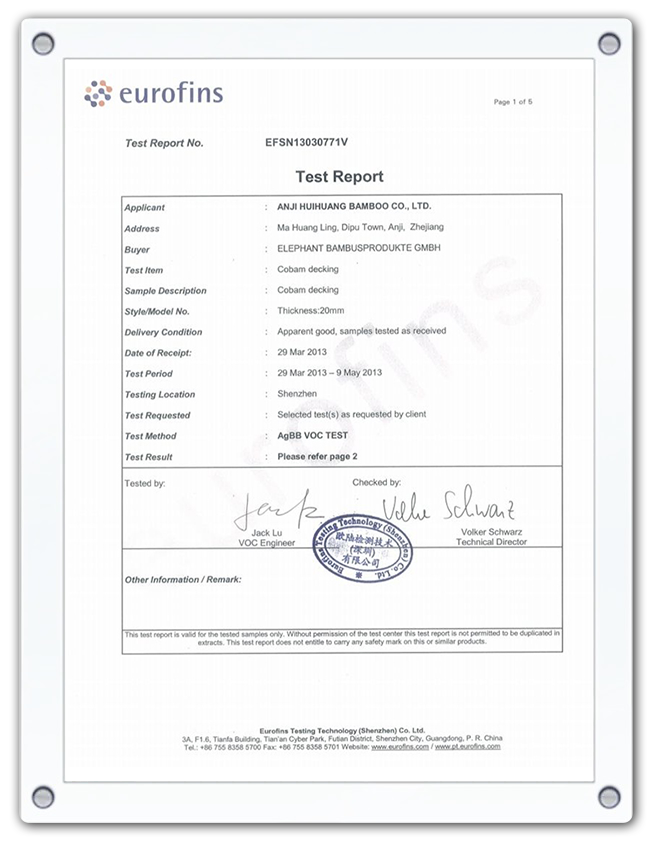
Certificate Of Honor
  • Eurofins
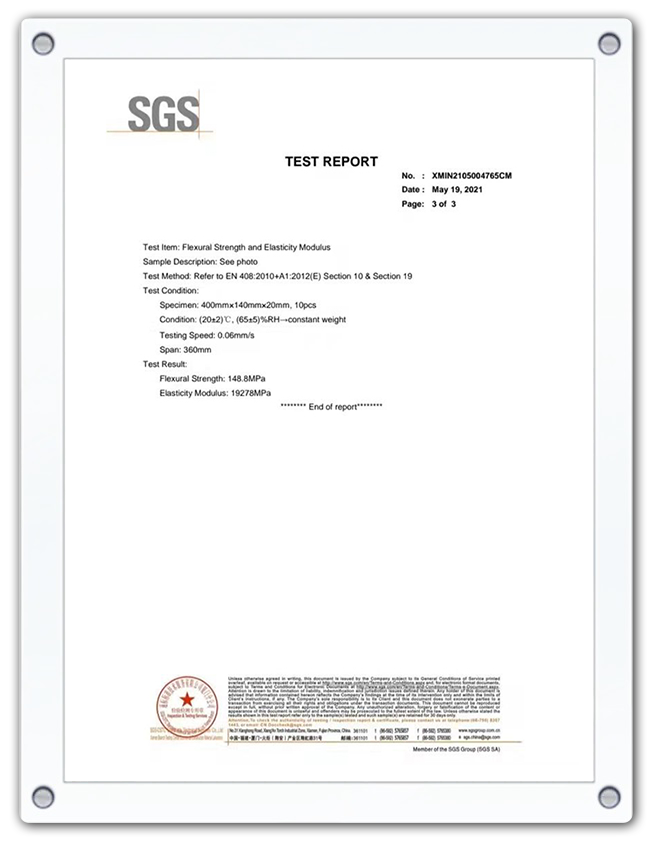
  • Flexural Strength And Elasticity Modulus
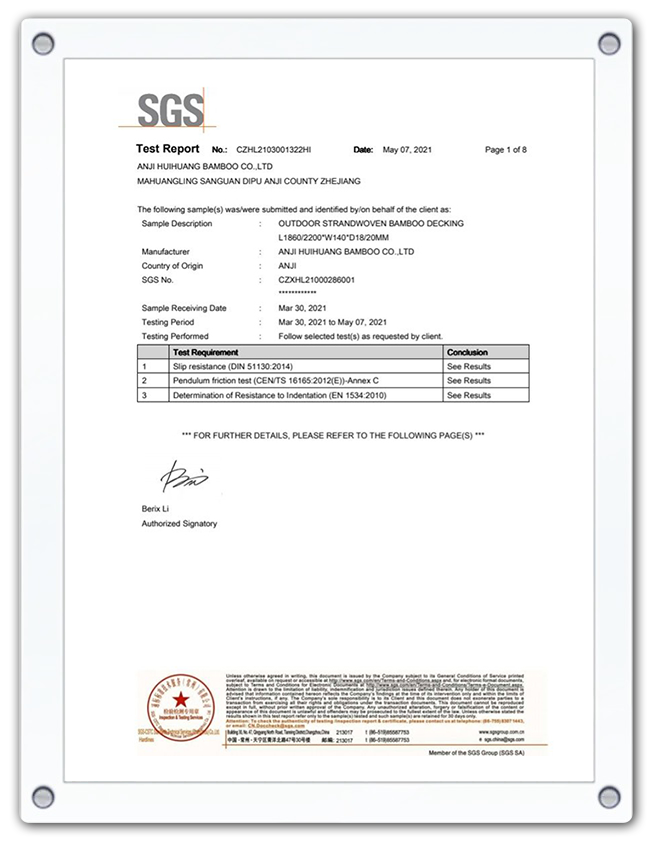
  • Slip Resistance
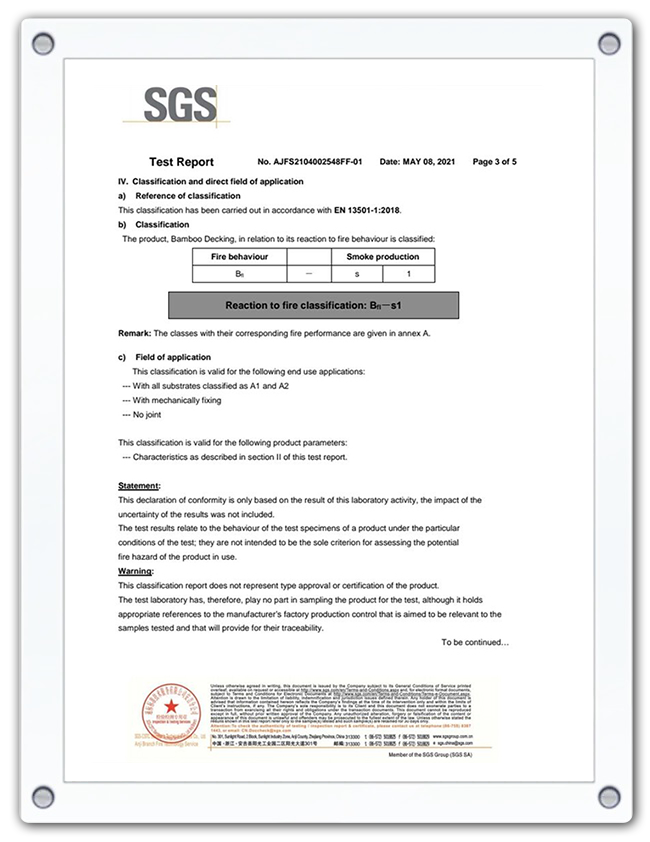
  • Fire Resistant
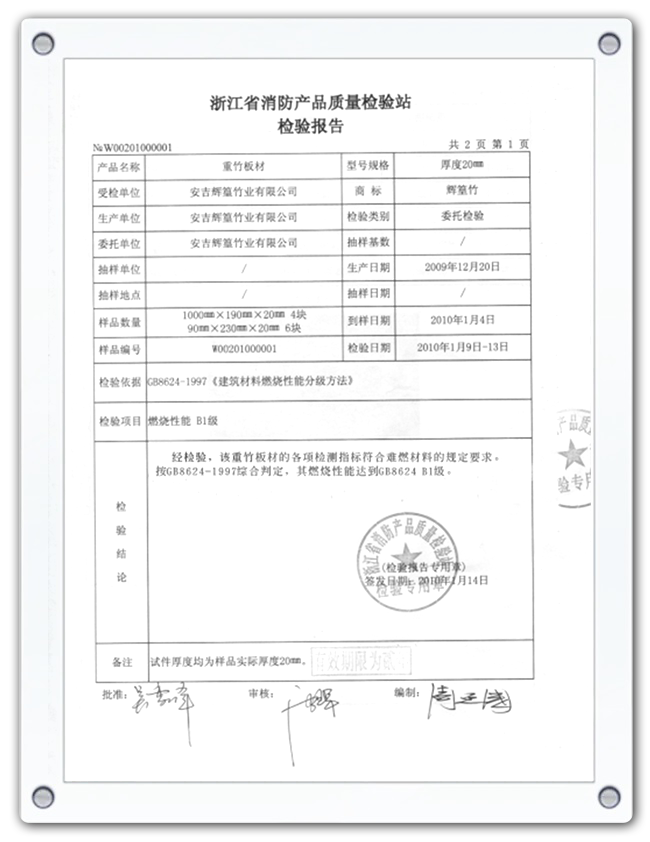
  • Floor Fire Test Report
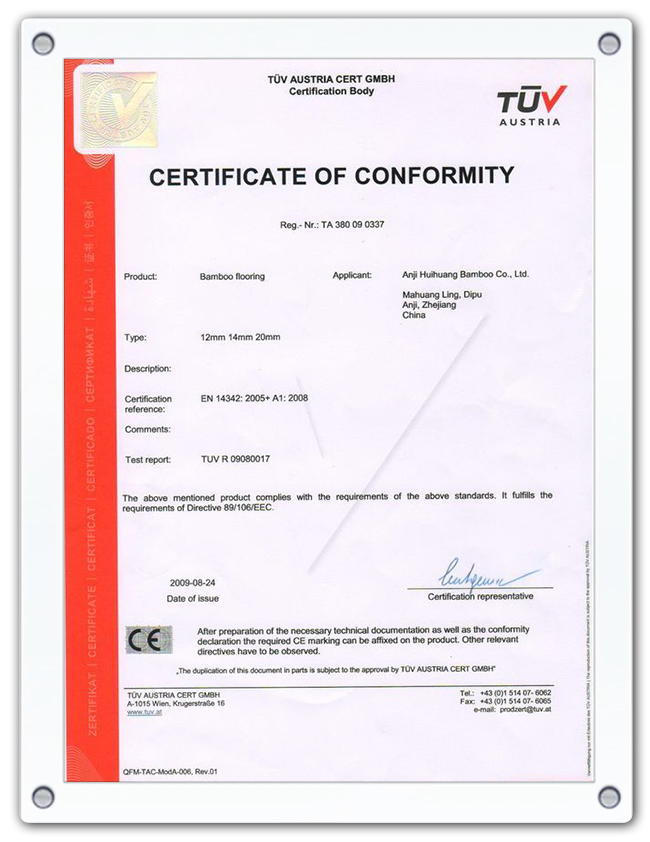
  • CE Certificate
  • Decking Inspection Report
Latest News
Message Feedback