


 English
 Deutsch
Content
- 1 1. The Science of UV Degradation and Photo-Oxidation
- 2 2. Determining the Ideal Oiling Frequency
- 3 3. Professional Application Techniques for Maximum Longevity
- 4 Conclusion: A Commitment to Sustainable Durability
- 4.1 Frequently Asked Questions (FAQ)
- 4.1.1 1. What happens if I don't oil my bamboo flooring for outdoor use?
- 4.1.2 2. Is cleaning outdoor bamboo flooring before oiling really necessary?
- 4.1.3 3. How do I know it is time for outdoor bamboo decking maintenance?
- 4.1.4 4. Can I use any wood oil for outdoor strandwoven bamboo decking?
- 4.1.5 5. Does outdoor bamboo flooring in high humidity areas rot?
- 4.2 Industry References
- 4.1 Frequently Asked Questions (FAQ)
In the realm of sustainable architecture, bamboo flooring for outdoor use has emerged as a premier choice due to its exceptional hardness and carbon-sequestering properties. However, like any natural organic material exposed to the elements, it requires a strategic maintenance regimen to preserve its structural integrity and aesthetic vibrance. Ningguo Kuntai Bamboo and Wood Co., Ltd., located in the heart of Anhui's "Bamboo Village," has been a pioneer since 2002. As the holder of a prestigious US patent (No. US11148318) for outdoor bamboo decking, KUNTAI operates a 30,000 square meter modern facility dedicated to high-performance outdoor strandwoven bamboo decking. Understanding the best oil for outdoor bamboo flooring and the frequency of its application is critical for engineers and homeowners alike to mitigate the effects of photo-oxidation and moisture ingress.
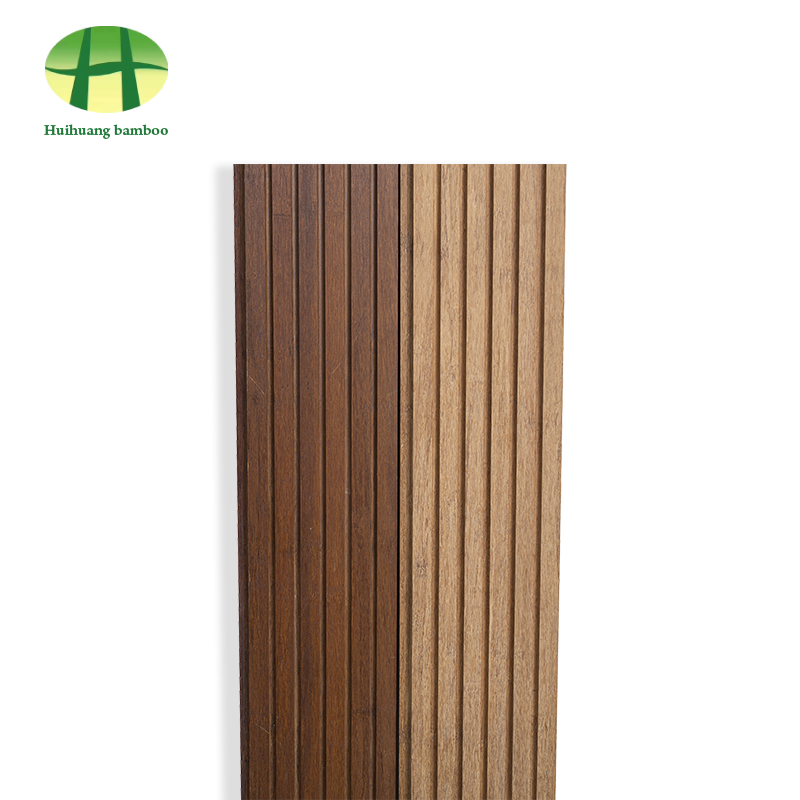
1. The Science of UV Degradation and Photo-Oxidation
The primary cause of color fading in bamboo flooring for outdoor use is ultraviolet (UV) radiation. UV rays break down the lignin within the bamboo fibers, a process known as photo-oxidation, which results in a "silver-gray" patina. While some seek this weathered look, maintaining the original deep tones requires a consistent application of UV resistant bamboo decking oil. When comparing oil-based vs water-based bamboo sealants, oil-based penetrants typically offer superior depth of protection by saturating the dense fiber matrix of strand-woven boards. The strand woven bamboo UV resistance is inherently high due to the density of the material, but without a sacrificial oil layer, surface micro-cracking can occur over time. Regular oiling acts as a barrier, reflecting harmful radiation and preventing the "graying" effect.
Comparison: Protective Coating Efficiency
- Unsealed Bamboo: Rapid lignin breakdown, significant color shift within 3–6 months.
- Oiled Bamboo: High pigment retention, suppressed moisture absorption, and reduced fiber swelling.
| Coating Type | UV Protection Level | Maintenance Cycle |
| Standard Water-based Sealer | Moderate (Surface Film) | 6 - 9 Months |
| Best Oil for Outdoor Bamboo Flooring (Penetrating) | High (Internal Saturation) | 12 - 18 Months |
| No Treatment | Low (Natural Weathering) | N/A (Will turn gray) |
2. Determining the Ideal Oiling Frequency
A common question for facility managers is how to maintain outdoor bamboo decking to ensure it lasts decades. Generally, for a new installation of bamboo flooring for outdoor use, a secondary coat of oil should be applied 3 to 6 months after the initial install, followed by an annual or biennial treatment. This frequency is influenced by the "Micro-climate Factor." For instance, outdoor bamboo flooring in high humidity areas may require more frequent inspections to prevent fungal growth, while cleaning outdoor bamboo flooring before oiling is a non-negotiable step to ensure proper adhesion. When comparing bamboo decking vs composite decking maintenance, bamboo offers a more natural feel and higher thermal stability, but unlike plastic-based composites, it relies on these periodic oil applications to replenish its natural resins.
Environmental Impact on Maintenance Cycles
- High Exposure Areas: Decks with direct, unfiltered sunlight require oiling every 12 months.
- Sheltered Areas: Partially covered porches may only require treatment every 24 months.
- Severe Weather Zones: Areas with heavy snow or monsoon rains should be oiled before the onset of the harsh season.
| Climate Condition | Recommended Frequency | Technical Indicator for Re-oiling |
| Arid / High UV | Every 12 Months | Surface feels dry/rough to touch |
| Temperate / Mixed Shade | Every 18 - 24 Months | Slight color fading or "silvering" |
| Tropical / High Rainfall | Every 12 Months | Water no longer "beads" on surface |
3. Professional Application Techniques for Maximum Longevity
To maximize the outdoor strandwoven bamboo flooring lifespan, the application process must be precise. Using outdoor strandwoven bamboo decking produced by KUNTAI ensures you are working with a product that has undergone rigorous thermal treatment and high-pressure compression. Before applying any oil for bamboo garden furniture or flooring, the moisture content of the boards must be verified. Protecting outdoor bamboo flooring from mold starts with ensuring the oil contains an effective fungicide. The pros and cons of oiling outdoor bamboo are clear: while it requires labor, the result is a flooring system that remains structurally sound and visually stunning for over 20 years, far exceeding the lifespan of untreated timber.
Engineering Steps for Oiling
- Surface Preparation: Deep cleaning with a specialized bamboo cleaner to remove tannins and dirt.
- Drying Phase: Ensure the bamboo is dry for at least 48 hours (moisture < 12%).
- Application: Apply the oil thin and evenly using a brush or applicator, following the grain of the strand-woven fibers.
Conclusion: A Commitment to Sustainable Durability
Applying maintenance oil to bamboo flooring for outdoor use is the single most important factor in preventing fading and fiber degradation. By maintaining a schedule of 12 to 24 months—depending on local UV intensity—owners can safeguard their investment. Kuntai Bamboo's commitment to quality, backed by FSC, CE, and US patent certifications, provides the high-performance foundation required for such durable outdoor spaces. With proper care, your bamboo deck will remain a testament to sustainable luxury and engineering excellence.
Frequently Asked Questions (FAQ)
1. What happens if I don't oil my bamboo flooring for outdoor use?
The bamboo will undergo photo-oxidation, turning a silver-gray color. While this doesn't immediately affect structural integrity, it increases the risk of surface "checking" (fine cracks) and moisture absorption.
2. Is cleaning outdoor bamboo flooring before oiling really necessary?
Yes. Oiling over dirt or old gray fibers will trap debris and prevent the new oil from penetrating the bamboo's dense strand-woven structure, leading to a patchy and ineffective finish.
3. How do I know it is time for outdoor bamboo decking maintenance?
The "Water Test" is the best indicator. Pour a small amount of water on the deck; if it stays in beads, the seal is good. If the water soaks in and darkens the bamboo, it is time to re-oil.
4. Can I use any wood oil for outdoor strandwoven bamboo decking?
It is highly recommended to use oils specifically formulated for high-density tropical woods or strand woven bamboo UV resistance. These have smaller molecular structures that can penetrate the extremely dense bamboo fibers.
5. Does outdoor bamboo flooring in high humidity areas rot?
Kuntai's strand-woven bamboo is treated at high temperatures to remove sugars and starches, making it naturally resistant to rot. However, periodic oiling is still required to prevent surface mold in stagnant, humid environments.
Industry References
- ISO 9001:2015 - Quality Management Systems in Bamboo Manufacturing.
- ASTM D143-14 - Standard Test Methods for Small Clear Specimens of Timber (Applicable to Bamboo Density).
- US Patent No. US11148318 - Outdoor Bamboo Decking Structural Engineering.
- FSC (Forest Stewardship Council) Technical Guidelines for Sustainable Hardwood Alternatives.
 View More

 +86-572-5215066 5216895
 office@hh-bamboo.com
 East Side of Huanggang RD,Ningdun County, Ningguo ,Xuancheng City,Anhui Province,China.