


 English
 Deutsch
Content
- 1 Why Choose Outdoor Strand Woven Bamboo Decking for Your Project
- 2 Superior Weather Resistance and Durability
- 3 Comparing Outdoor Decking Materials
- 4 Aesthetic Appeal and Design Flexibility
- 5 Sustainability and Environmental Advantages
- 6 Ideal Applications for Outdoor Strand Woven Bamboo Decking
- 7 Installation and Maintenance Considerations
- 8 Frequently Asked Questions
- 8.1 How does strand woven bamboo decking compare to composite decking in terms of longevity?
- 8.2 Is outdoor strand woven bamboo decking suitable for saltwater environments?
- 8.3 Can strand woven bamboo decking be refinished if the finish wears?
- 8.4 What is the typical cost comparison with other outdoor decking materials?
Outdoor strand woven bamboo decking represents a breakthrough in sustainable exterior building materials, combining the strength of engineered wood composites with the natural beauty and environmental benefits of bamboo. Unlike traditional pressure-treated lumber or synthetic plastic decking, strand woven bamboo decking offers homeowners and builders a premium material that withstands harsh weather conditions while maintaining its elegant appearance for decades.
Why Choose Outdoor Strand Woven Bamboo Decking for Your Project
Strand woven bamboo represents a fundamental shift in how we approach outdoor construction. By compressing bamboo fibers under extreme pressure and treating them with advanced weather-resistant coatings, manufacturers create a material that surpasses traditional hardwood in durability while reducing environmental impact. The manufacturing process produces a density rating that often exceeds that of many tropical hardwoods, making it ideal for high-traffic outdoor environments.
Superior Weather Resistance and Durability
Environmental exposure is the primary challenge for any outdoor decking material. Outdoor strand woven bamboo decking is engineered to resist the specific stressors that degrade conventional wood surfaces. The manufacturing process includes hydrophobic treatment that prevents water absorption, protecting the structural integrity even in high-moisture climates.
- Resists rotting, warping, and splitting in wet climates
- Maintains structural integrity across temperature extremes
- Prevents mold and mildew growth with advanced coating systems
- UV-resistant finish protects color for 5+ years without fading
Comparing Outdoor Decking Materials
When evaluating outdoor decking options, performance metrics matter significantly. The following comparison shows how strand woven bamboo decking stacks against mainstream alternatives:
| Material | Density (Janka) | Weather Resistance | Maintenance | Environmental Impact |
| Strand Woven Bamboo | 1400-1600 | Excellent | Minimal | Very Low |
| Pressure-Treated Pine | 600-900 | Good | High | Moderate to High |
| Composite Plastic | N/A | Excellent | Moderate | High |
| Tropical Hardwood | 1200-1500 | Excellent | Moderate | High |
Aesthetic Appeal and Design Flexibility
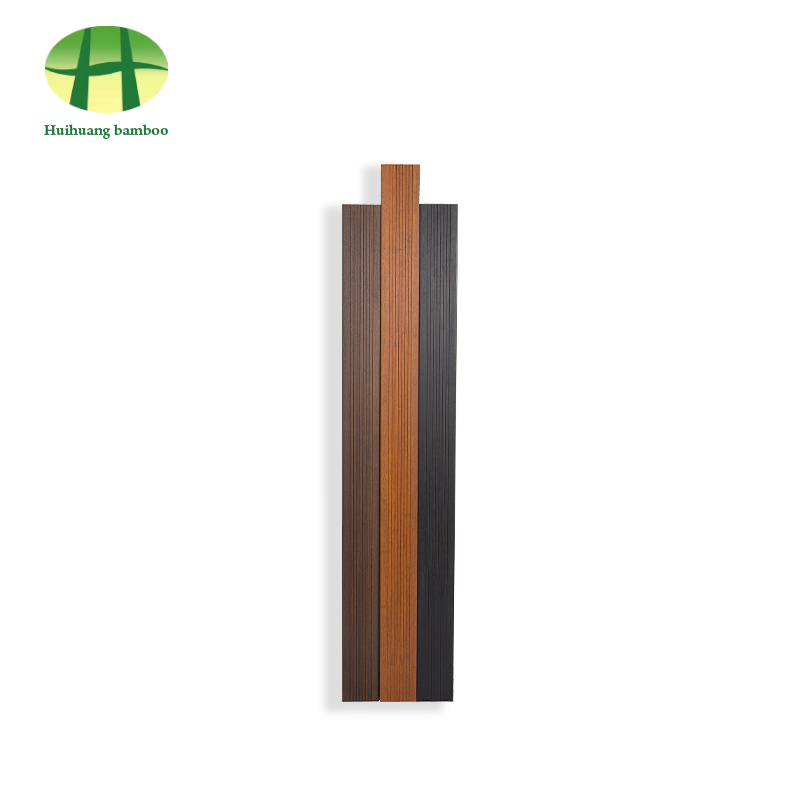
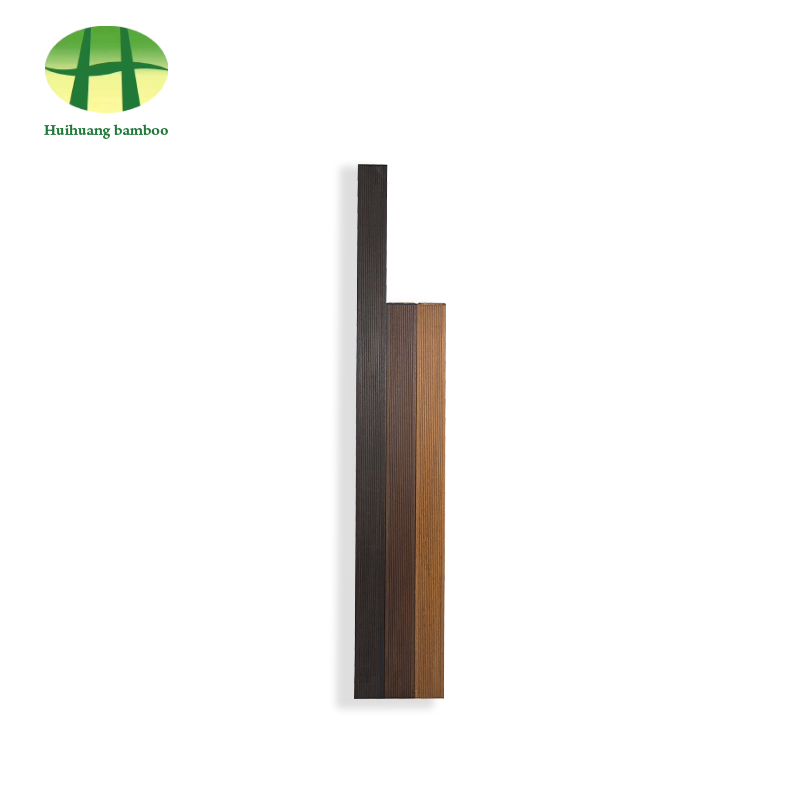
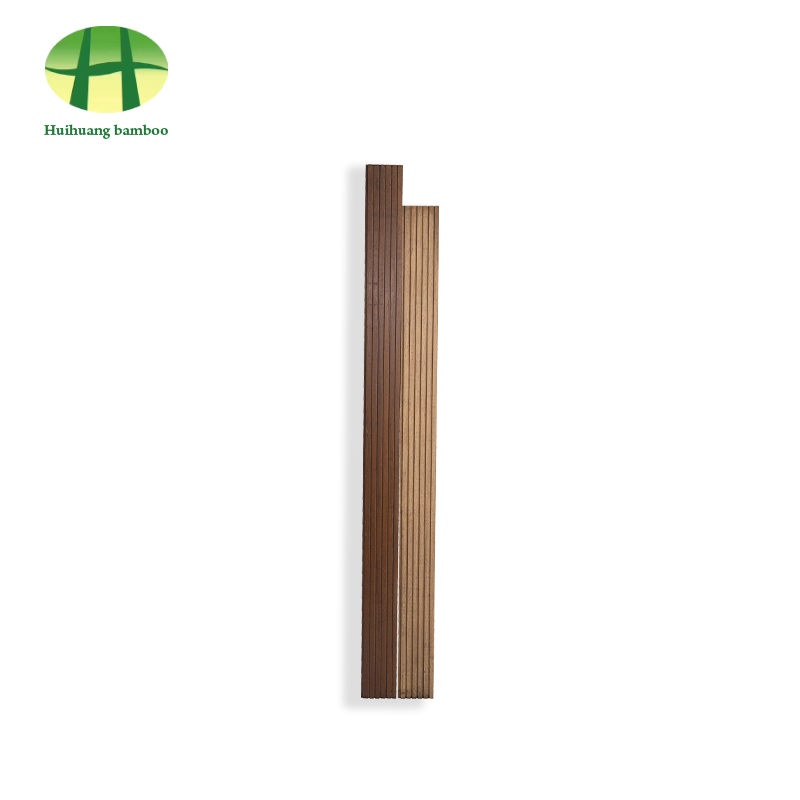
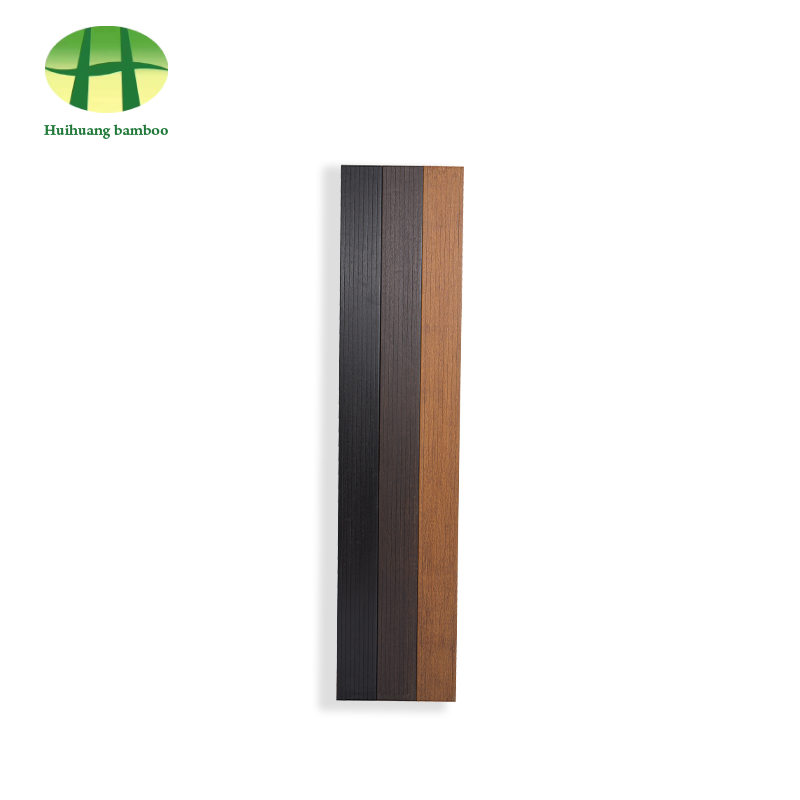
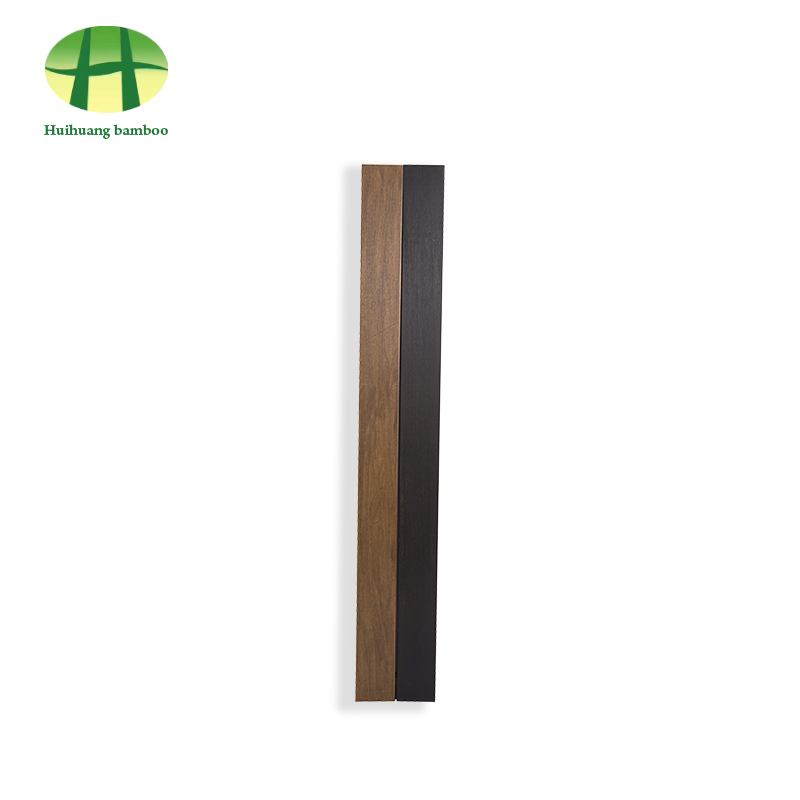
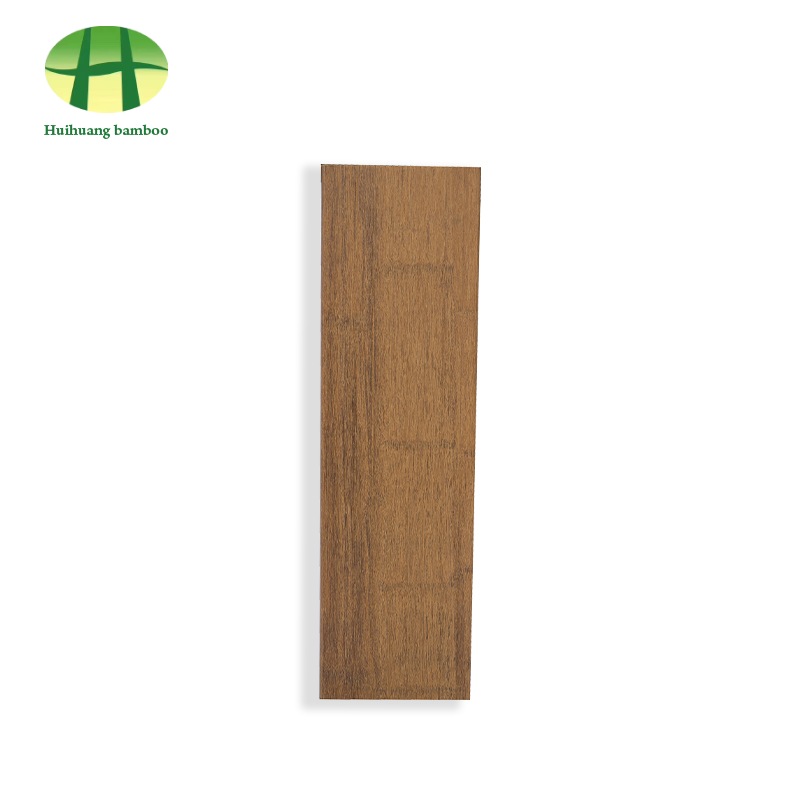
Outdoor strand woven bamboo decking offers the warmth and natural grain patterns characteristic of premium hardwoods. The carbonization process available in many products creates rich brown tones that complement contemporary outdoor designs, minimalist architecture, and transitional home styles. Unlike synthetic alternatives, the material develops a subtle patina over time, adding to its character rather than detracting from it.
Visual Characteristics
Natural wood grain patterns, warm golden-brown tones, and fine surface texture create an inviting outdoor space that feels premium and intentional.
Installation Versatility
Compatible with standard decking fasteners and installation methods, allowing flexibility in pattern design, railing systems, and integrated features.
Sustainability and Environmental Advantages
Bamboo grows to maturity in 3-5 years compared to the 20-50 years required for traditional timber harvesting. This rapid renewable cycle makes strand woven bamboo decking a responsible choice for environmentally conscious builders. The material requires no tropical forest clearing and contributes to carbon sequestration when sourced from responsibly managed bamboo plantations.
Bamboo absorbs five times more carbon dioxide and produces 35% more oxygen than equivalent mass of trees, making it one of the most efficient carbon-neutral building materials available for outdoor construction projects.
Ideal Applications for Outdoor Strand Woven Bamboo Decking
Strand woven bamboo decking excels in diverse outdoor settings where durability and aesthetics must coexist:
- Residential decks and patios in moderate to humid climates
- Waterfront properties and pool deck surrounds
- Commercial outdoor spaces including restaurants and retail areas
- Elevated boardwalks and garden pathways
- Hotel and hospitality outdoor amenity areas
Installation and Maintenance Considerations
Proper installation ensures optimal performance of outdoor strand woven bamboo decking. Adequate ventilation beneath the deck prevents moisture accumulation, while appropriate fastening methods accommodate seasonal wood movement. Annual cleaning with mild soap and water, combined with periodic resealing every 2-3 years, maintains the material's performance and appearance.
Frequently Asked Questions
How does strand woven bamboo decking compare to composite decking in terms of longevity?
While composite decking claims longer lifespans, properly maintained strand woven bamboo decking typically performs comparably over 10-15 years. The key difference lies in performance: bamboo maintains structural integrity under stress, while composites can exhibit surface degradation and microplastic shedding in harsh environments.
Is outdoor strand woven bamboo decking suitable for saltwater environments?
Yes, with proper specification and maintenance. Select products specifically engineered for saltwater exposure and apply protective coatings annually. Saltwater environments accelerate weathering, so more frequent maintenance intervals are necessary compared to freshwater or terrestrial applications.
Can strand woven bamboo decking be refinished if the finish wears?
Yes, unlike many composite alternatives, strand woven bamboo can be lightly sanded and resealed. This capability extends the life of your deck significantly and restores appearance without replacement, providing long-term economic and environmental benefits.
What is the typical cost comparison with other outdoor decking materials?
Strand woven bamboo typically costs 20-40% more than pressure-treated lumber but 10-20% less than tropical hardwoods. When factoring in maintenance costs, durability, and replacement cycles, the total cost of ownership often favors bamboo over 20-year periods.
 View More

 +86-572-5215066 5216895
 office@hh-bamboo.com
 East Side of Huanggang RD,Ningdun County, Ningguo ,Xuancheng City,Anhui Province,China.