


 English
 Deutsch
Content
Carbonized Strand Woven Bamboo Flooring and hardwood flooring both deliver a natural look and long-term value, but they come from fundamentally different materials with different growth cycles, structures, and performance profiles. Bamboo reaches harvest maturity in a few years; hardwood trees take decades. That single difference cascades into how each material performs on density, moisture resistance, and long-term maintenance.
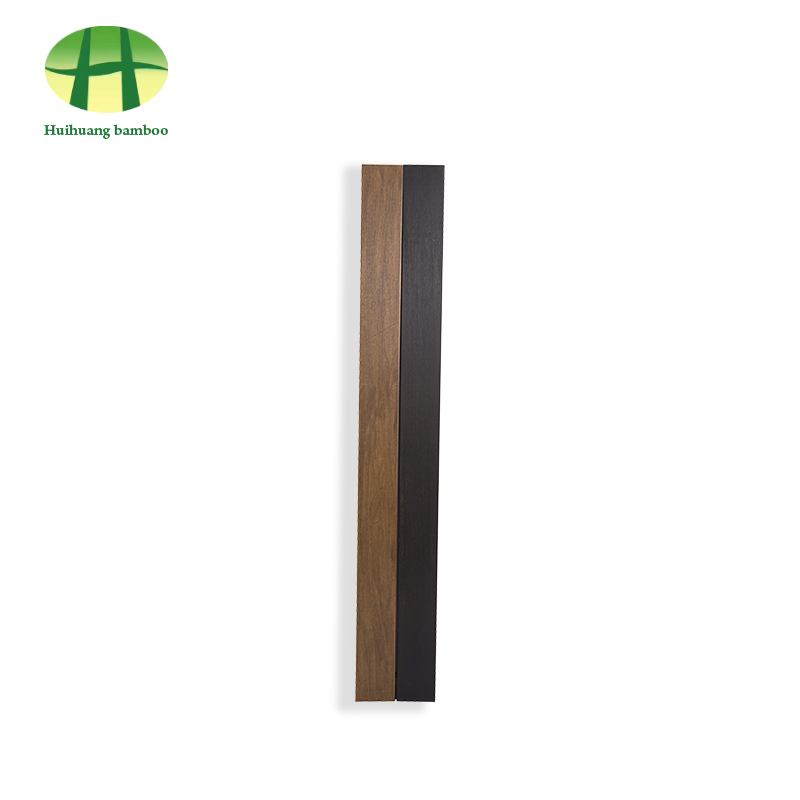
Carbonized Strand Woven Bamboo Flooring
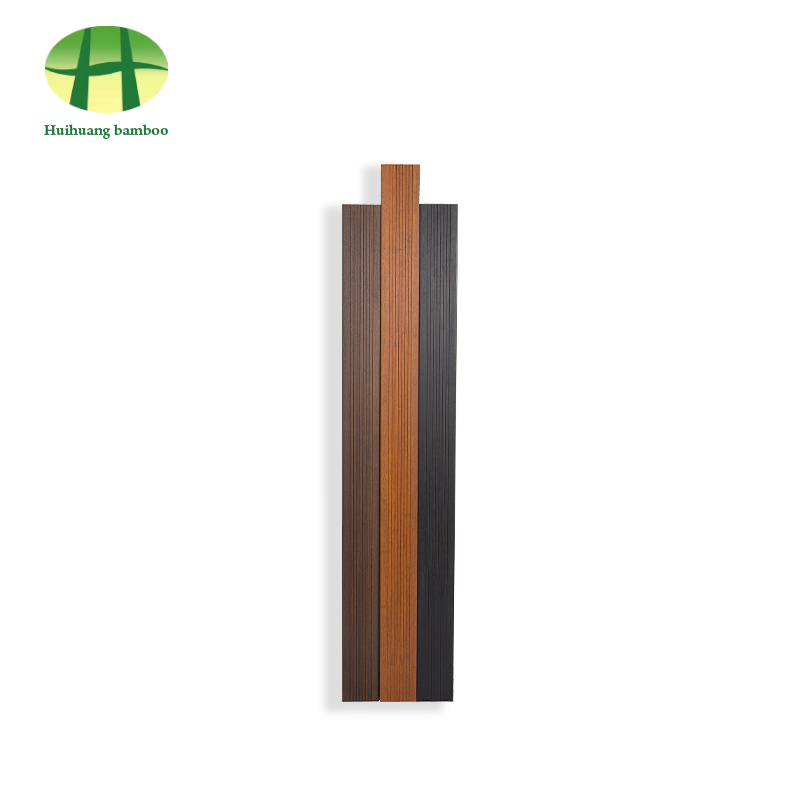
Bamboo fibers are carbonized, compressed under high pressure and heat, and bonded into a dense engineered plank with a warm brown tone.
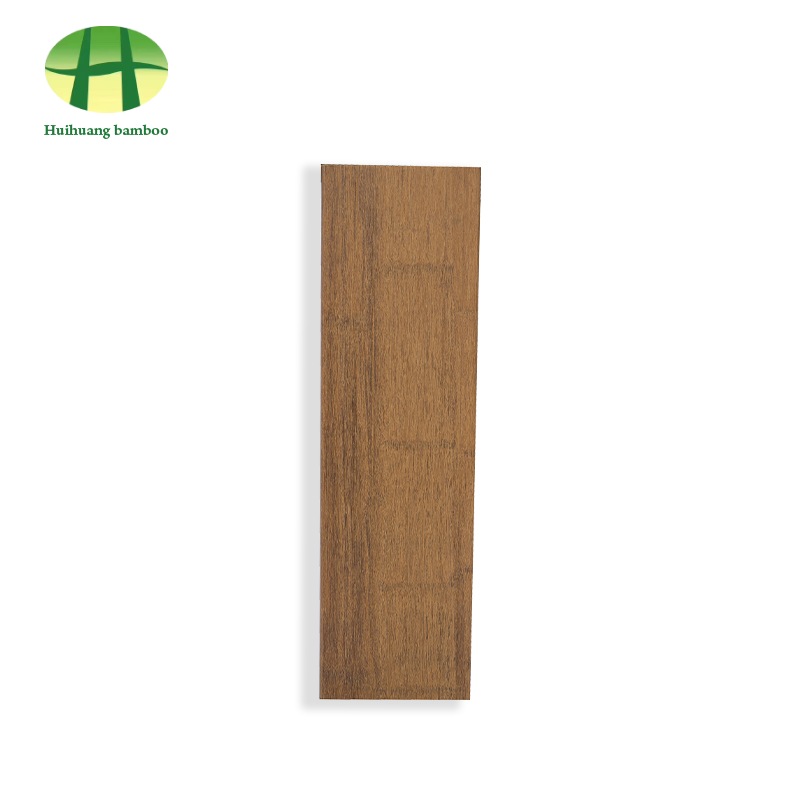
Hardwood Flooring
Solid planks are sawn directly from tree species such as oak, maple, or walnut, then dried and surface-finished for installation.
Where the Two Materials Really Differ
Across the criteria that matter most in a flooring decision, the two materials trade advantages rather than one simply beating the other.
Manufacturing Process Differences
Carbonized Strand Woven Bamboo Flooring is built rather than cut: fibers are extracted, carbonized to darken the material, then compressed with adhesives under high pressure to form a dense plank with strong bonding and dimensional stability. Hardwood flooring skips that engineering step entirely, relying on the natural strength of the timber itself, with performance shaped by species, grain structure, and moisture content rather than manufacturing process.
The compression process behind strand woven bamboo is what gives it density closer to some tropical hardwoods, despite starting from a fast-growing grass rather than a slow-growing tree.
Appearance and Design Direction
Carbonization produces a consistent warm brown tone suited to contemporary and minimalist interiors, while hardwood offers natural grain variation that reads as more traditional and species-specific. Neither look is objectively better — the choice comes down to whether a project wants uniform modern texture or organic natural character.
Where Each Material Performs Best
| Application | Bamboo Flooring | Hardwood Flooring |
| High-traffic commercial spaces | Strong fit | Depends on species |
| Eco-focused buildings | Excellent fit | Depends on sourcing |
| Luxury traditional interiors | Good fit | Excellent fit |
| Humid climates | Better suited | Requires humidity control |
Choosing Between the Two
Choose Bamboo When You Need
- Fast-renewing, sustainable material
- High density for daily wear
- A modern, uniform appearance
- A generally more affordable option
Choose Hardwood When You Need
- Natural, species-specific grain
- A traditional or luxury interior look
- Long-term refinishing flexibility
- Timeless resale appeal
Frequently Asked Questions
Is carbonized strand woven bamboo flooring harder than hardwood?
It is generally denser than many common hardwood species due to the high-pressure compression process, though exact hardness still depends on the specific hardwood being compared.
Does bamboo flooring handle humidity better than hardwood?
Its compressed structure generally provides better dimensional stability in changing humidity, though prolonged water exposure should still be avoided with either material.
Which flooring is more sustainable?
Bamboo regenerates much faster than hardwood trees, giving it a sustainability advantage, though certified hardwood from responsibly managed forests can also be a sustainable choice.
Does bamboo flooring need refinishing like hardwood?
Bamboo generally requires less refinishing over time, while hardwood floors are more commonly sanded and re-coated as part of long-term maintenance.
 View More

 +86-572-5215066 5216895
 office@hh-bamboo.com
 East Side of Huanggang RD,Ningdun County, Ningguo ,Xuancheng City,Anhui Province,China.