


 English
 Deutsch
Content
Turning raw bamboo into carbonized strand woven bamboo flooring takes more than pressing fibers together. It runs through carbonization, fiber restructuring, high-pressure compression, precision machining, and surface finishing before a single board is ready to install — and each stage decides how hard, stable, and good-looking the final floor will be.
Here is what actually happens on the production line, and why the sequence matters as much as the materials.
Stage 01–06The Manufacturing Process, Step by Step
Mature bamboo, typically 4–6 years old, is chosen for fiber strength and low moisture content.
High-temperature steaming or pressure treatment darkens the bamboo and removes natural sugars.
Bamboo is mechanically shredded into long fiber strands rather than kept as flat strips.
Strands are bonded with adhesive and pressed under high pressure and controlled heat into dense blocks.
Blocks are cut into boards, calibrated, sanded, and profiled with tongue-and-groove or click-lock joints.
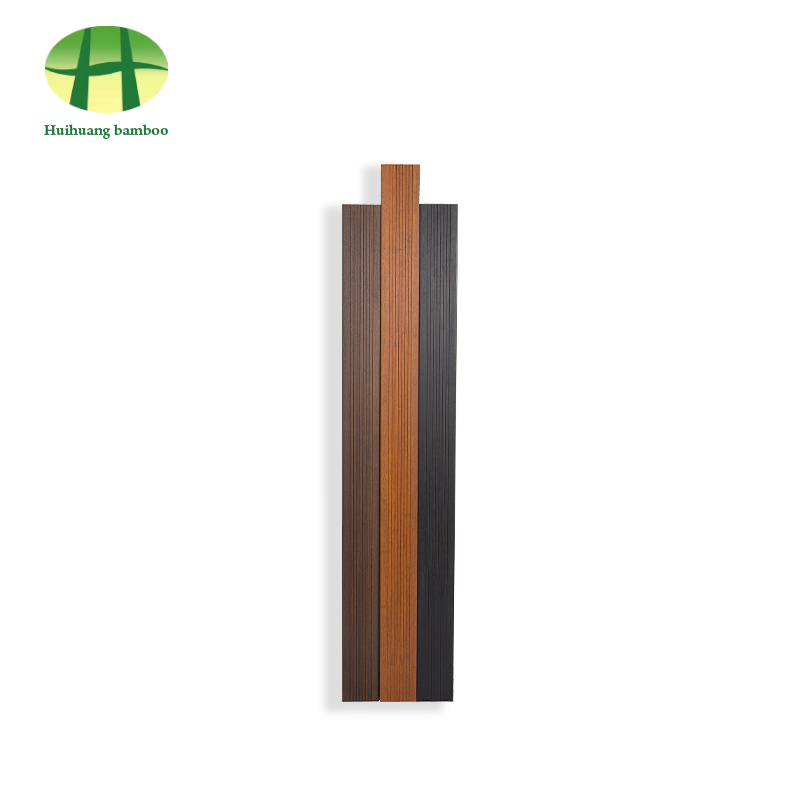
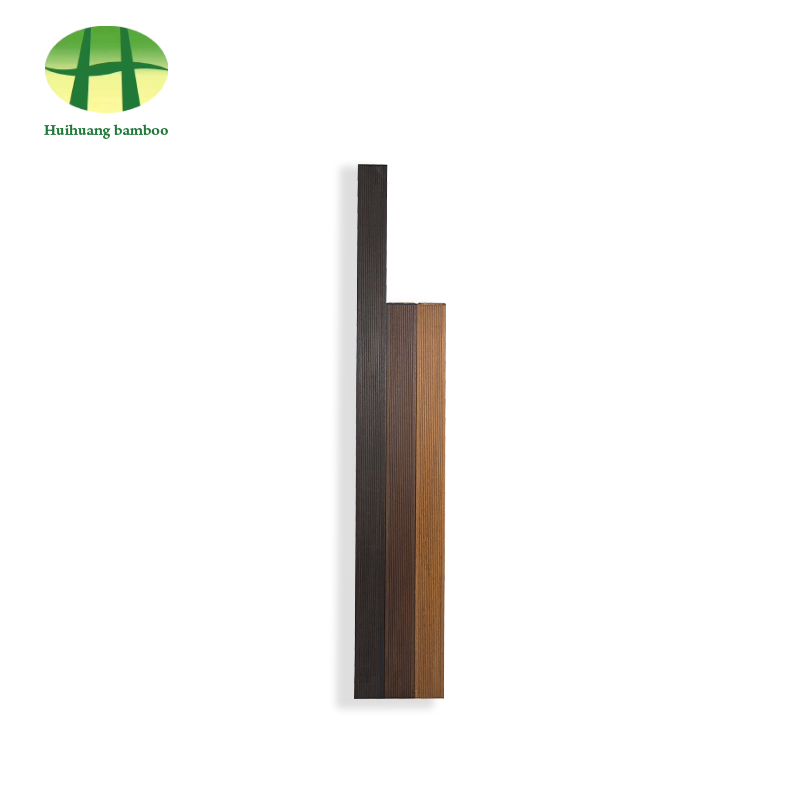
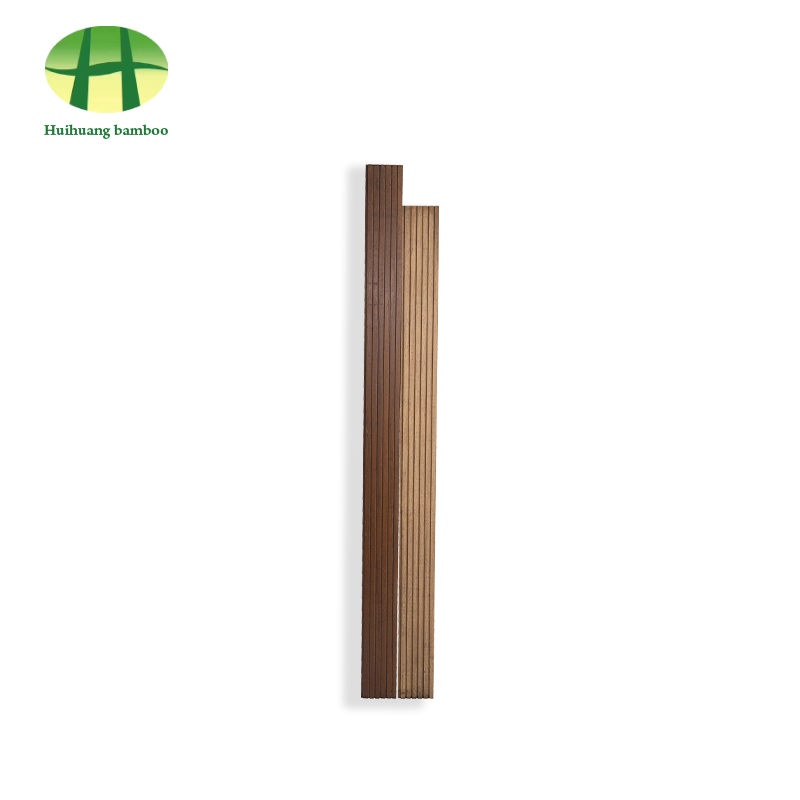
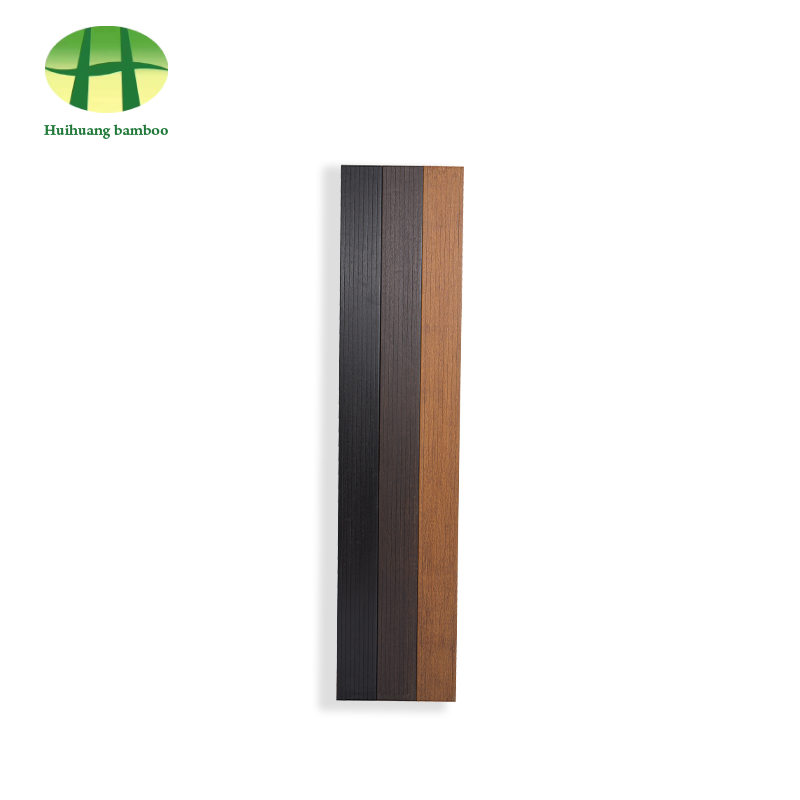
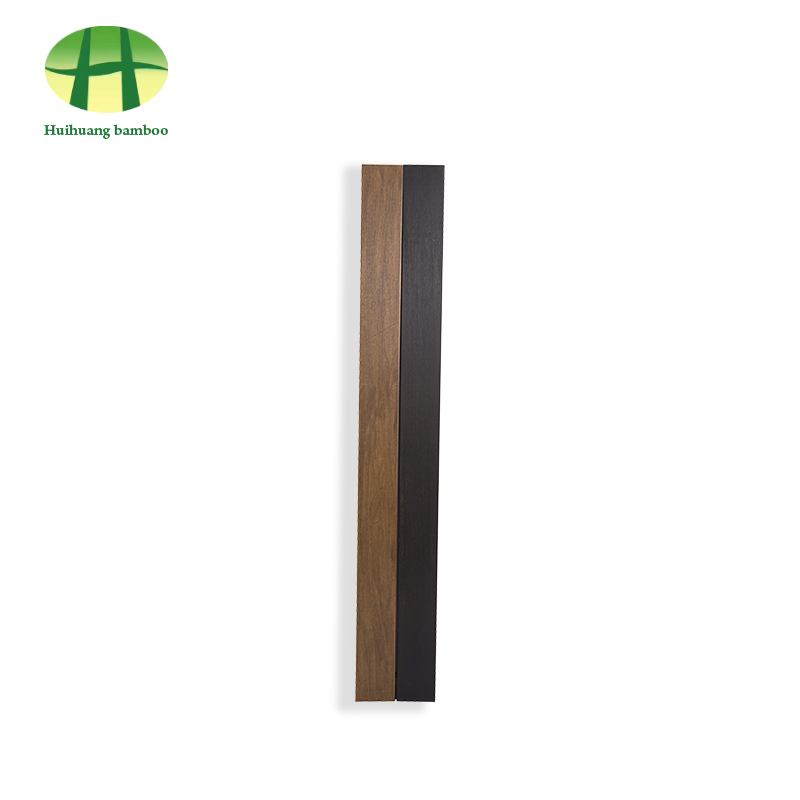
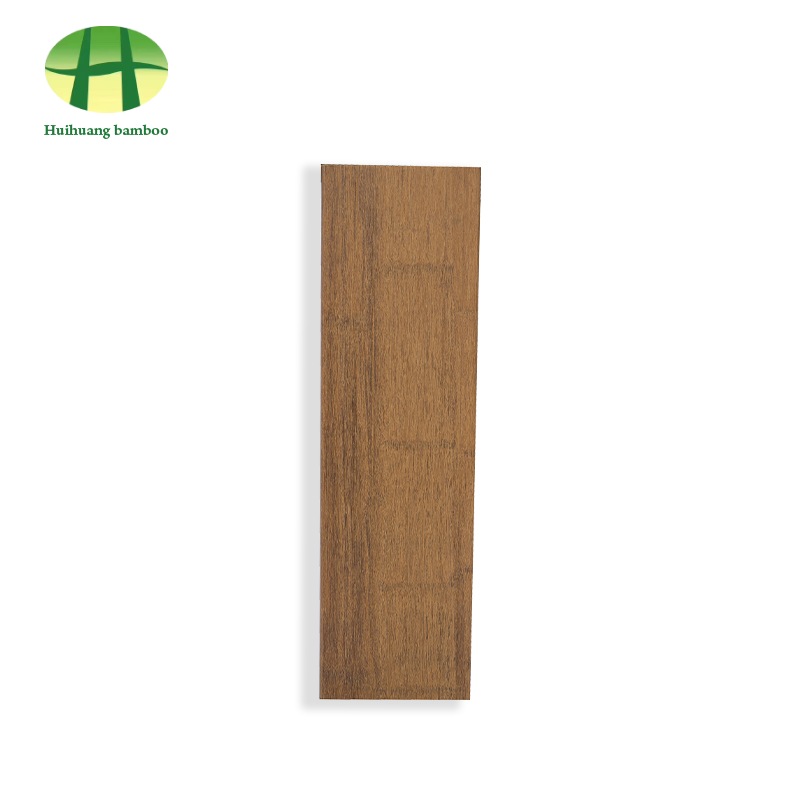
UV lacquer, aluminum oxide, or oil finishes are applied, with optional hand-scraped or embossed texture.
DetailWhy Carbonization and Compression Matter Most
Carbonization is not a cosmetic step. Removing sugars and moisture from the fiber structure changes how the bamboo behaves under pressure and over time, making the strands more stable before they are ever compressed.
Compression is where hardness is actually built. Pressing bamboo strands under high pressure and precise temperature creates a dense block with far greater impact and wear resistance than loosely laminated bamboo strips — this is the structural difference between ordinary bamboo flooring and true strand woven product.
StandardsQuality Control Before Boards Leave the Factory
Manufacturing quality is verified, not assumed. Reputable factories run boards through several checks before packing:
| Test | What It Confirms |
| Moisture content testing | Stable installation, reduced expansion and contraction |
| Hardness testing | Surface durability and wear resistance (Janka-type testing) |
| Dimensional stability testing | Resistance to warping, consistent board structure |
| Surface quality inspection | Color consistency, coating quality, absence of defects |
A floor is only as strong as the fiber structure created before pressing — carbonization and compression decide the outcome long before the boards ever reach a saw blade.
ApplicationsWhere It Performs Best
Because of that dense, carbonized structure, this flooring holds up in demanding settings, not just quiet residential rooms:
- Residential spaces — bedrooms, living rooms, and hallways
- Commercial interiors — offices, retail stores, and hotels
- High-traffic areas — public buildings, showrooms, and hospitality spaces
Manufacturing quality is ultimately what separates a floor that holds its shape for decades from one that warps within a few seasons — which is why the process behind carbonized strand woven bamboo flooring deserves as much attention as the finish color.
FAQ
Why is bamboo carbonized before it's pressed into flooring?
Carbonization removes natural sugars and moisture, improving stability and giving the fiber a darker, more even tone before compression.
Is strand woven bamboo harder than traditional bamboo flooring?
Yes. The high-pressure compression of shredded fiber strands creates a denser structure than flat-strip laminated bamboo, resulting in greater hardness and impact resistance.
Does carbonization make the flooring weaker?
No, when properly controlled. Carbonization affects color and sugar content, while compression and adhesive bonding are what primarily determine structural strength.
What finish options are available for carbonized strand woven bamboo flooring?
Common options include UV lacquer, aluminum oxide coatings, and natural oil finishes, along with smooth, hand-scraped, or embossed surface textures.
 View More

 +86-572-5215066 5216895
 office@hh-bamboo.com
 East Side of Huanggang RD,Ningdun County, Ningguo ,Xuancheng City,Anhui Province,China.