


 English
 Deutsch
Content
Applications of Bamboo Flooring in Sustainable Buildings
The building sector accounts for nearly 40% of global energy-related CO₂ emissions. As a result, specifiers are under pressure to choose materials that lower embodied carbon while still meeting strict performance requirements. Strand woven bamboo flooring has become a practical answer: it grows fast, stores carbon, and wears like tropical hardwood. This article explains where bamboo flooring adds the most value in sustainable buildings and what to check before specifying it.
Why Bamboo Flooring Supports Sustainable Design
Bamboo is a grass, not a tree, and it reaches maturity in four to six years. During that time, a bamboo stand stores carbon at a rate that many timber species cannot match. When converted into strand woven boards, the fibers are crushed, saturated with resin, and pressed under high pressure into a dense material. The result is a floor that resists impact and moisture far better than traditional timber.
The sustainability story depends on the source. FSC certification confirms that the bamboo was harvested without depleting the ecosystem. CE marking provides confidence for construction products sold in the European market. ISO 14001 and ISO 9001 indicate that the factory manages environmental and quality systems rather than relying on ad hoc processes. When these certificates are present, the material can be specified with confidence.
Primary Applications in Sustainable Buildings
Outdoor Decks and Terraces
Outdoor decks are the most common specification for heavy bamboo flooring. The material handles direct sunlight, rain, and temperature changes without the splintering or warping that often appears in softwood decks. For wet areas such as pool surrounds and shower trays, manufacturers add surface textures like grooves and waves. A large-wave anti-slip bamboo decking product, for example, can increase traction in barefoot areas while keeping the surface visually clean. You can review the specific requirements in our guide to outdoor bamboo deck slip resistance safety.
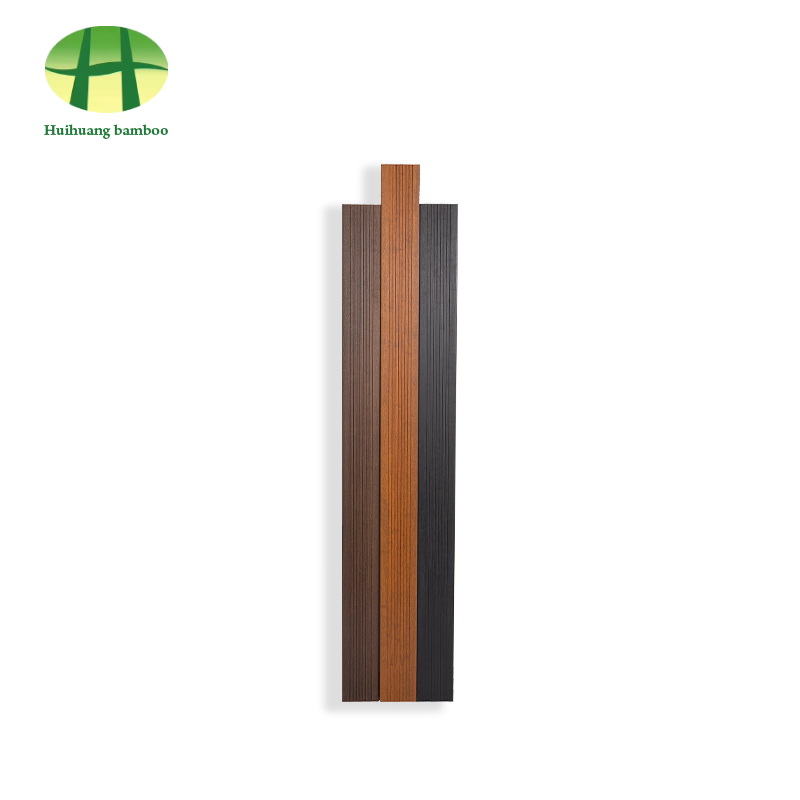 Custom Deep Large Wave Textured Exterior Bamboo Decking Waterproof Weatherproof Ningguo Kuntai Bamboo and Wood Co.,Ltd. Offer Custom Deep Large Wave Textured Exterior Bamboo Decking Waterproof Weatherproof Floor For G...View Product →
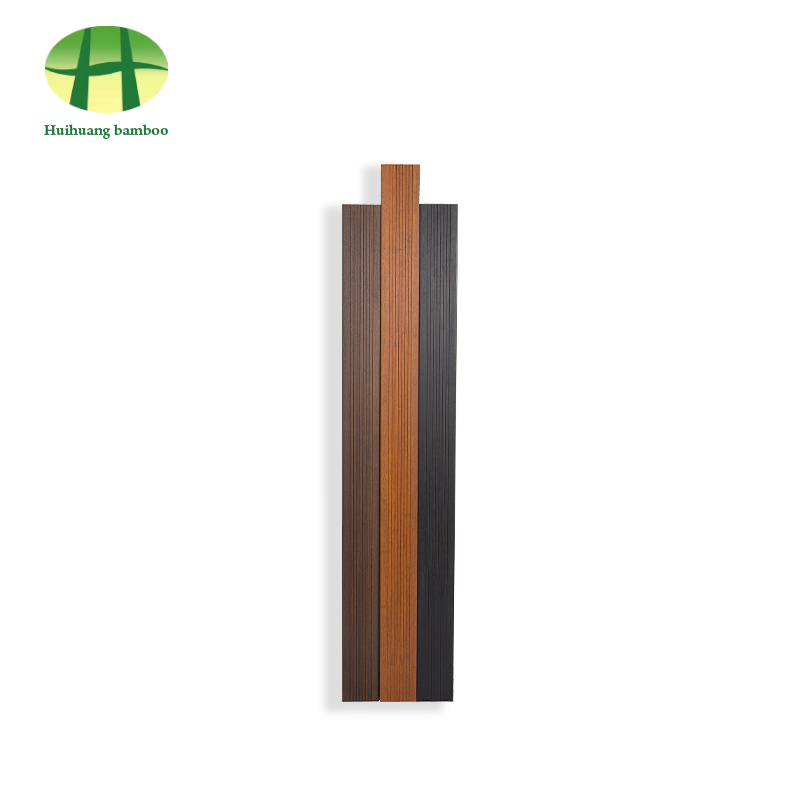
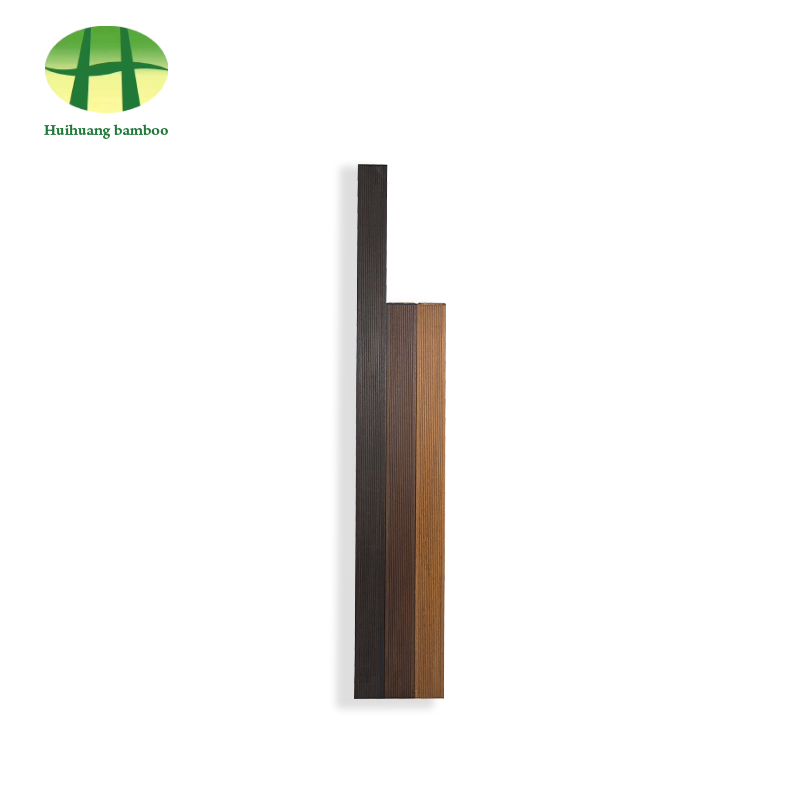
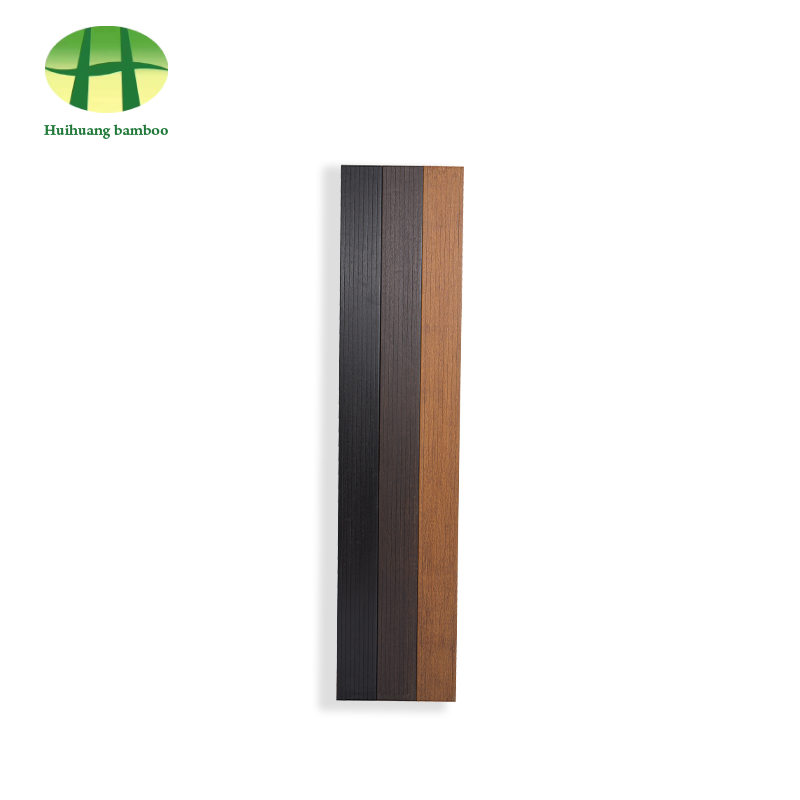
Because color is a design parameter, bamboo decking is available in natural, carbonized, coffee, and pineapple tones. Carbonized boards have a deeper brown shade that complements contemporary architecture.
Facade Cladding and Vertical Surfaces
Bamboo flooring panels are also used as wall cladding. Horizontal and vertical installation creates different facade rhythms, and the same material ties the exterior to the interior design language. Strand woven boards are dimensionally stable enough for outdoor walls, and they can be installed over ventilated rain-screen systems to improve thermal performance. For buildings aiming at green certifications, a bio-based facade material contributes positively to material transparency and renewable-source credits.
Agricultural and Landscape Structures
On working buildings such as stables, kennels, and plant nurseries, high-density bamboo panels replace wood that needs frequent painting or treatment. The ventilation slot design in stable boards improves air exchange, while the closed surfaces are easy to wash down. Outside the building envelope, bamboo fencing, planter boxes, and pergolas extend the same material language into the landscape. These structures benefit from the same weather resistance and carbon credentials as the main building components.
Performance and Technical Standards
From an engineering perspective, bamboo flooring must comply with a number of tests before it is accepted on a sustainable construction site. The table below summarizes the standards that matter most.
| Standard / Certification | Role in Sustainable Construction | What to Verify |
|---|---|---|
| FSC | Ensures raw material comes from responsibly managed sources | Certificate number and covered product scope |
| CE | Allows sale in the European market under construction product rules | Declaration of performance and EN reference |
| ISO 14001 | Shows environmental management at the factory | Valid certification issued by an accredited body |
| ISO 9001 | Shows consistent quality control processes | Annual audit status |
Durability claims should not be based on marketing language alone. Check independent test reports for moisture resistance, slip rating, and dimensional stability. A useful benchmark is EN 317, which measures thickness swelling after water immersion. Compare results across suppliers because resin formula and pressing density significantly affect the final product. Our bamboo decking durability comparison with hardwood and composites explains how these metrics translate into real-world lifespan.
At the manufacturing level, proprietary technology can also influence performance. One example is US Patent 11148318, which covers an outdoor bamboo flooring design and is held by a Chinese manufacturer licensed to produce and export that product.
Design, Sourcing, and Installation Considerations
Choosing Colors and Surface Textures
Color affects both aesthetics and heat absorption. Carbonized bamboo has a darker shade that hides dirt and weathers gracefully in shaded areas, while natural color keeps a lighter, more contemporary feel. For floors that will be walked on after swimming, small grooves or waves provide extra friction. A carbonized color heavy bamboo flooring option can match dark exterior joinery while retaining the hardness required for outdoor use.
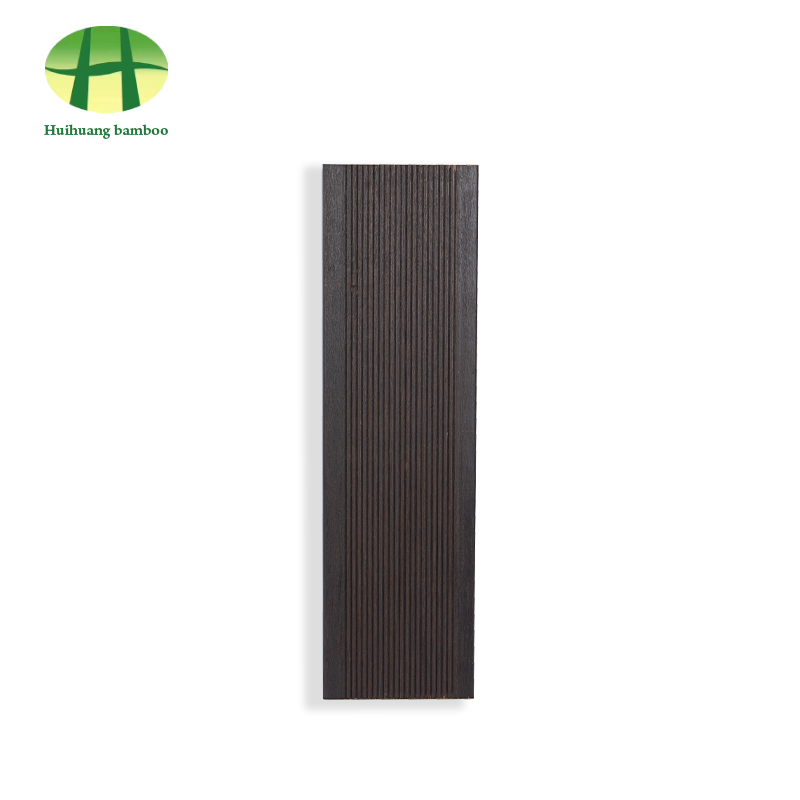 Custom eco friendly Carbonized color bamboo composite flooring Manufacturers, FaNingguo Kuntai Bamboo and Wood Co.,Ltd. Offer Custom eco friendly Carbonized color bamboo composite flooring Manufacturers and Factory In...View Product →
Custom Sizes and Installation Methods
Site conditions seldom match standard dimensions. A manufacturer that accepts custom width, length, and thickness can reduce waste and installation time. For decking, the choice between nail-down and fastener splicing affects both appearance and labor cost. Fastener-spliced boards hide the fixing points and create a continuous top surface, which is easier to clean and safer for bare feet. If project speed matters, ask about a fastener spliced heavy bamboo flooring system designed for quick assembly.
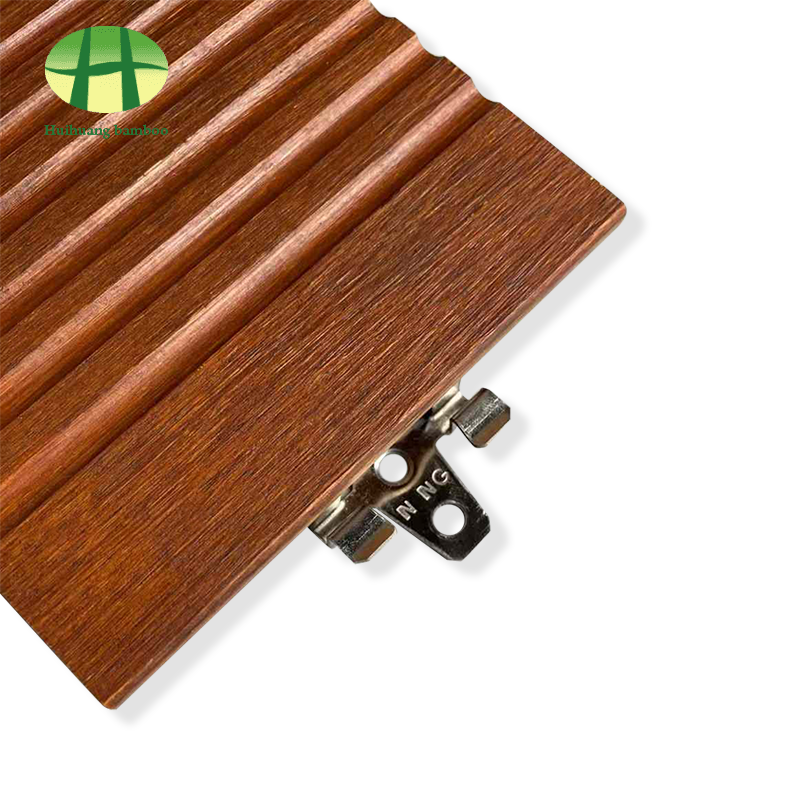 Custom Fastener splicing outdoor heavy strand woven bamboo flooring ManufacturerNingguo Kuntai Bamboo and Wood Co.,Ltd. Offer Custom Fastener splicing outdoor heavy strand woven bamboo flooring Manufacturers and Facto...View Product →
Questions to Ask a Manufacturer
When comparing suppliers, go beyond the sample board. Ask:
- Where is the raw bamboo grown, and is the supply chain FSC certified?
- How is the resin formulated, and what is its share in the final board?
- What independent tests are available for moisture swelling, slip resistance, and impact?
- Do you provide installation instructions and a recommended maintenance schedule?
The way a manufacturer answers these questions is often a better indicator of quality than the surface texture alone. Our outdoor bamboo flooring lifespan and maintenance guide can help you evaluate those responses.
Conclusion
Bamboo flooring is no longer a niche material for eco-boutiques. It is a structural-grade surface that can be specified for outdoor decks, facade cladding, stable interiors, and landscape structures. The key to a successful sustainable building project is documentation: FSC for the source, CE for market access, and reliable test data for performance. By choosing a manufacturer with vertical control over material, pressing, and finishing, you reduce the risk of premature failure and replacement. For buildings designed to last decades, that combination of durability, carbon storage, and verified certification makes strand woven bamboo a rational choice.
 View More

 +86-572-5215066 5216895
 office@hh-bamboo.com
 East Side of Huanggang RD,Ningdun County, Ningguo ,Xuancheng City,Anhui Province,China.