


 English
 Deutsch
Content
As the construction industry shifts toward sustainable and carbon-sequestering materials, outdoor bamboo flooring has emerged as a premier choice for architects and landscape engineers. Unlike traditional timber, bamboo is a rapidly renewable resource that, when processed correctly, offers density and hardness exceeding most hardwoods. Ningguo Kuntai Bamboo and Wood Co., Ltd., located in the heart of China's "Bamboo Village," has specialized in this field since 2002. Operating a 30,000-square-meter modern facility, we produce high-performance strand woven bamboo decking maintenance solutions and building materials. As a holder of a US patent for outdoor bamboo decking (No. US11148318) and certified by FSC, CE, and SGS, we ensure that our products meet global engineering standards for longevity.
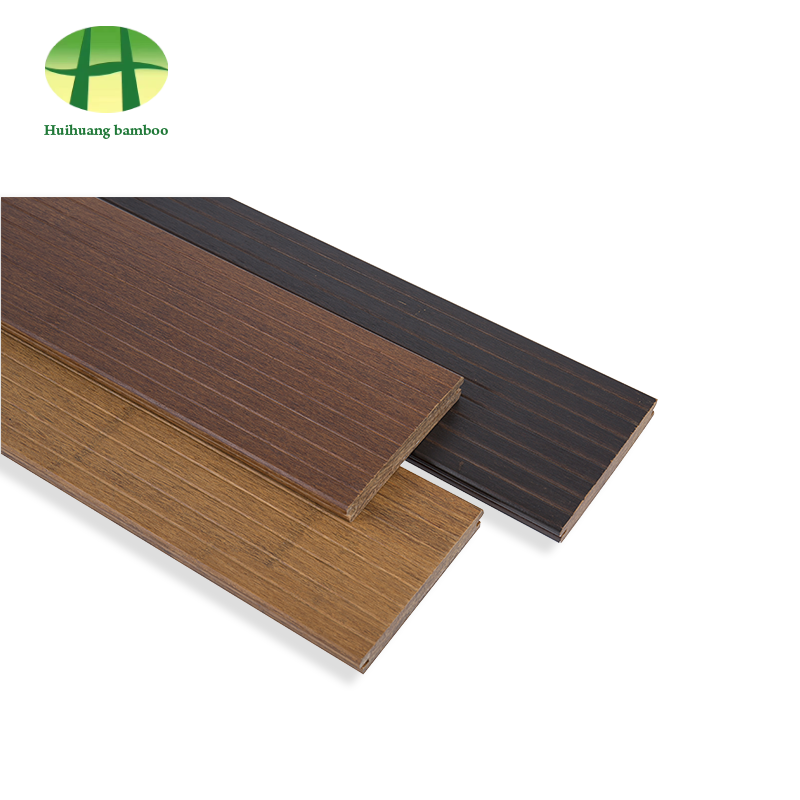
1. Understanding the Expected Lifespan of Strand-Woven Bamboo
The lifespan of outdoor bamboo flooring typically ranges between 20 to 30 years, depending on the manufacturing process and the local climate. The primary factor in this longevity is the "strand-weaving" process, where bamboo fibers are compressed under high pressure with phenolic resins. This creates a material with a Brinell hardness often exceeding 9.5 kg/mm². High-quality durable bamboo planks for garden and terrace use are specifically carbonized to remove starches and sugars, effectively neutralizing the food source for fungi and insects.
In comparison to traditional wood decking like pressure-treated pine or even Ipe, strand-woven bamboo provides superior dimensional stability and resistance to warping over a 25-year lifecycle.
| Material Feature | Pressure-Treated Softwood | Outdoor Bamboo Flooring (Strand-Woven) |
| Average Lifespan | 10 - 15 Years | 20 - 30 Years |
| Density (kg/m³) | ~500 - 600 | ~1100 - 1200 |
| Decay Resistance | Chemical dependent | Naturally resistant via carbonization |
Source: ISO 21625:2024 Bamboo structures — Vocabulary and classification
2. Technical Maintenance: Protecting the Surface Integrity
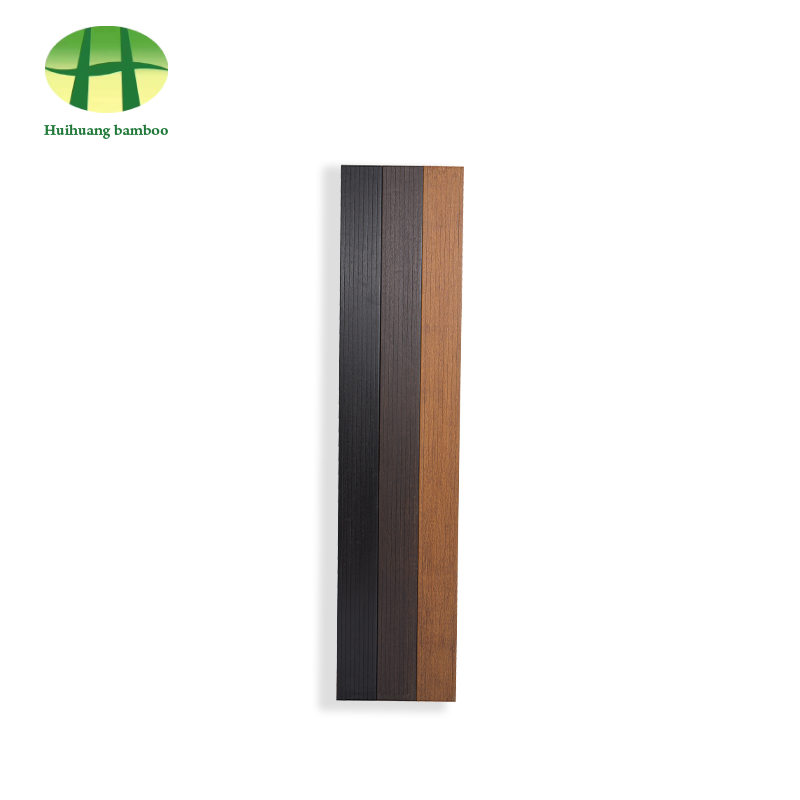
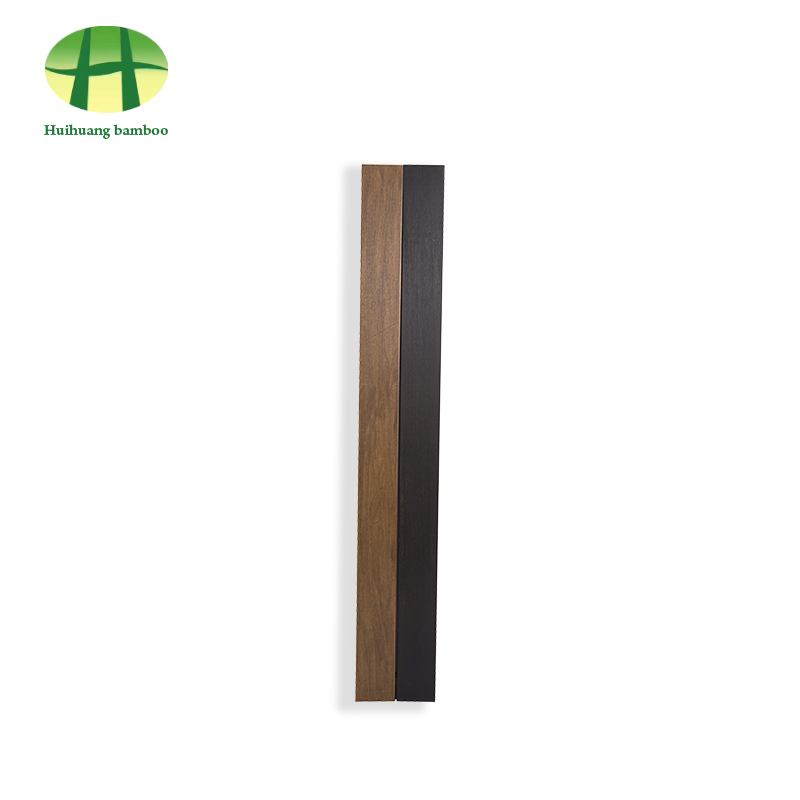
To maximize the service life of anti slip bamboo flooring for pool areas or public walkways, correct maintenance is non-negotiable. Bamboo is a natural material that undergoes "graying" due to UV exposure if left untreated. Professional strand woven bamboo decking maintenance involves an annual application of UV-resistant water-based oils. This prevents the surface from micro-cracking and maintains the deep, rich espresso or cognac tones that designers favor. According to 2024 technical breakthroughs in bio-based coatings, new maintenance oils now incorporate nano-particles that penetrate deeper into the dense bamboo matrix, extending the re-oiling interval by up to 18 months.
While standard wood requires frequent sanding and sealing, bamboo flooring only requires a thorough cleaning and a light coat of oil to restore its hydrophobic properties.
| Maintenance Task | Standard Wood Decking | Bamboo Flooring |
| Cleaning Method | Power washing (Risk of fiber damage) | Soft brush and pH-neutral cleaner |
| Refinishing Frequency | Every 1-2 years (Sand and Seal) | Every 2-3 years (Oil refresh) |
| Surface Stability | Prone to splintering | Extremely resistant to checking |
Source: FSC International: 2025 Standards for Non-Timber Forest Products (NTFPs)
3. Weathering and Environmental Resistance
For large-scale commercial projects, engineers often prioritize weatherproof bamboo siding and flooring because of its performance in humid or high-UV environments. In 2025, market statistics from international building material associations indicate a 12% rise in bamboo adoption for coastal projects. This is due to its low swell rate—often less than 2% after 24 hours of water immersion. Utilizing sustainable outdoor bamboo building materials not only earns LEED points but also ensures that the structural integrity of the project remains intact despite seasonal temperature swings.
4. Installation and "Zero-Defect" Engineering
At KUNTAI, our 30,000-square-meter modern plant focuses on high density bamboo decking for patio applications using precision-milled tongue-and-groove or clip systems. Proper installation is the "hidden" part of maintenance; ensuring adequate ventilation beneath the deck prevents moisture buildup that could shorten the lifespan of the planks. Our US patent-authorized manufacturing process ensures that every batch of bamboo timber and beams undergoes rigorous stress-testing to comply with ISO9001 and ISO14001 quality and environmental management systems.
Conclusion: A Long-term Sustainable Investment
Choosing outdoor bamboo flooring is a long-term investment in both durability and aesthetics. With an expected lifespan of over two decades and a straightforward maintenance regime, it outclasses many traditional materials. Ningguo Kuntai Bamboo and Wood Co., Ltd. remains committed to providing first-class bamboo solutions, from durable bamboo planks for garden use to specialized wall cladding. By following professional strand woven bamboo decking maintenance protocols, you ensure that your outdoor space remains beautiful and structurally sound for a generation.
Frequently Asked Questions (FAQ)
- Does outdoor bamboo flooring fade over time?
Like all natural materials, it will gray slightly due to UV rays. However, applying a UV-protection oil during your strand woven bamboo decking maintenance will preserve the original color. - Is bamboo flooring resistant to termites?
Yes. The high-heat carbonization process removes the nutrients that termites and other pests feed on, making weatherproof bamboo siding and flooring highly resistant to infestation. - Can I use outdoor bamboo near a swimming pool?
Absolutely. We recommend anti slip bamboo flooring for pool decks, as our strand-woven planks offer a high slip-resistance rating (R10/R11) and excellent water resistance. - How do I clean my bamboo deck?
Use a soft broom or vacuum to remove debris, and then clean with a damp mop using a specialized pH-neutral soap designed for oiled outdoor surfaces. - Is KUNTAI bamboo environmentally friendly?
Yes, all our products are FSC certified, ensuring that the bamboo is sourced from responsibly managed forests, making them truly sustainable outdoor bamboo building materials.
 View More

 +86-572-5215066 5216895
 office@hh-bamboo.com
 East Side of Huanggang RD,Ningdun County, Ningguo ,Xuancheng City,Anhui Province,China.