


 English
 Deutsch
Content
- 1 Hardness Built the Category. The Test Report Now Leads the Sale.
- 2 Moisture Stability Is the Next Battleground
- 3 Anti-Slip Surface Engineering Becomes a Safety Standard
- 4 Color Demand Moves toward Carbonized Tones and Low-Gloss Finishes
- 5 Certification and Carbon Data Become Contract Conditions
- 6 From Single-Product Supply to a Full Outdoor Material System
- 7 Factory-Direct Manufacturing Wins the Long Game
- 8 Frequently Asked Questions
- 8.1 Will strand woven bamboo replace tropical hardwoods in outdoor decking?
- 8.2 What documents should a buyer request from a strand woven bamboo supplier?
- 8.3 Is carbonized strand woven bamboo weaker than natural strand woven bamboo?
- 8.4 When will carbon footprint data become mandatory for bamboo flooring?
European buyers opened their 2026 tender files with a different first question: not "price per square meter," but "EN 317 swelling values, wet slip rating, and FSC chain-of-custody number." That shift from price-led to data-led procurement is the clearest signal of where the strand woven bamboo flooring industry is heading.
Hardness Built the Category. The Test Report Now Leads the Sale.
The next phase of the strand woven bamboo flooring industry will not be won on Janka hardness alone. Natural strand woven bamboo already reaches values that compete with the hardest tropical decking species, so evaluation is moving to the full performance sheet: density, moisture stability, slip resistance, and color.
Typical published Janka hardness values in pounds-force (lbf). Natural strand woven bamboo leads alongside ipe; carbonized board trades hardness for a deeper color.
Janka hardness measures resistance to indentation and scratching. It stays the first line of every specification, but it no longer closes the sale. A board that is hard yet swells at its edges when wet will fail outdoors, so specifiers now ask for a complete dataset before comparing prices.
Moisture Stability Is the Next Battleground
Moisture behavior, not surface wear, determines whether an outdoor bamboo deck lasts ten years or twenty, and the next generation of strand woven bamboo boards is being engineered around dimensional stability.
Hardness explains how a board resists indentation; moisture stability explains how it behaves when rain and humidity attack its edges. Boards that hold swelling below the 8 percent threshold keep coatings intact, keep fasteners tight, and avoid the surface waviness that typically appears after a deck's second winter.
| Thickness swelling after 24 h water soak (EN 317) | 8% or less | Predicts edge stability on wet decks |
| Density | 1,100-1,200 kg/m3 | Correlates with fastener hold and impact resistance |
| Janka hardness | 3,800 lbf or higher in natural board | Resistance to indentation and scratching |
| Wet slip resistance | R11 or higher | Safety on pool decks and wet terraces |
| Color retention after 500 h UV | delta E of 4 or less | Limits fading on south-facing installations |
For projects that must document all five parameters, the outdoor strandwoven bamboo decking range is manufactured and tested as an exterior material, with surface profiles, colors, and fixing systems chosen for wet and humid environments. A detailed breakdown of moisture testing appears in our guide to outdoor bamboo flooring stability and EN 317 limits.
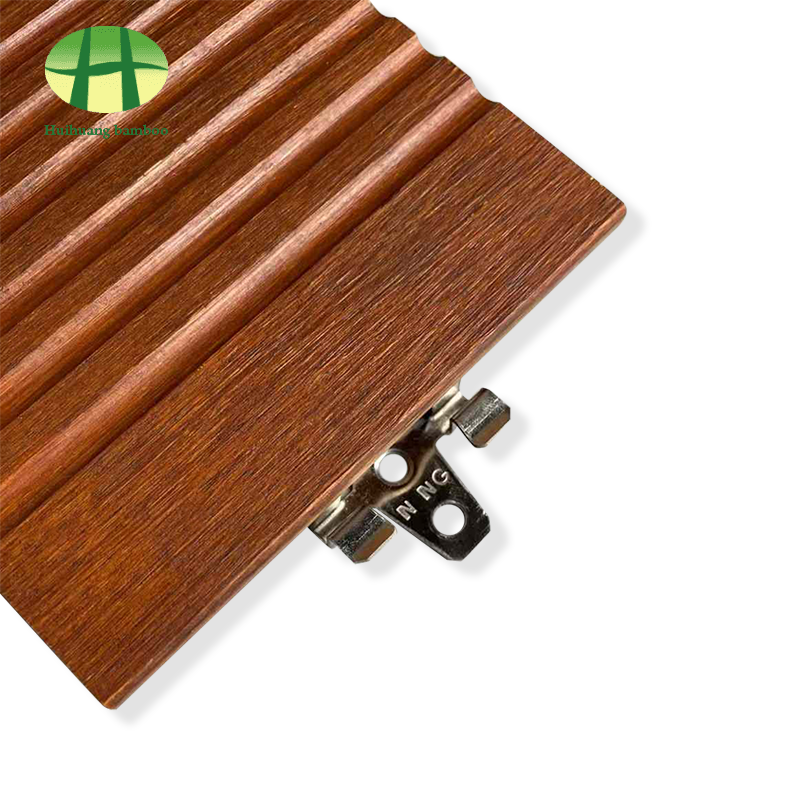 Bamboo Wood Flooring, Bamboo Composite Decking ManufacturersNingguo Kuntai Bamboo And Wood Co.,Ltd. Is China Bamboo Wood Flooring, Bamboo Composite Decking Manufacturers, Factory, We Offer Custom B...View Product →
Anti-Slip Surface Engineering Becomes a Safety Standard
Wet slip resistance is being written into deck specifications for public and residential projects with increasing frequency, and engineered surface patterns are how the strand woven bamboo industry is answering that requirement.
A smooth board on a wet pool deck is a liability. Patterns such as small grooves, waves, and double stripes do more than add texture: they break the water film that causes slipping, improve drainage, and lift the practical wet slip rating to R11 or higher.
- Small grooves and waves break the water film around pools, hot tubs, and exterior stairs.
- Larger grooves and double stripes add drainage channels on decks with a slight fall.
- Fine-textured natural surfaces balance barefoot comfort with wet safety on garden terraces.
- Smooth carbonized boards are best reserved for covered decks and indoor-outdoor transitions.
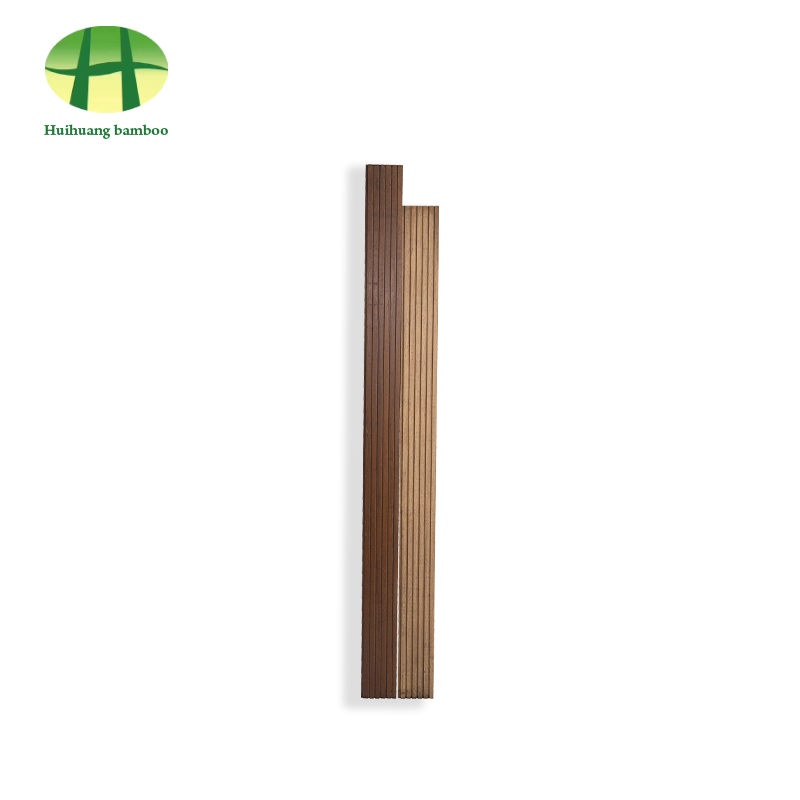
The small-wave bamboo flooring profile shows this engineering in practice: a repeating wave pattern that drains quickly while keeping a clean, residential look for terraces and garden paths.
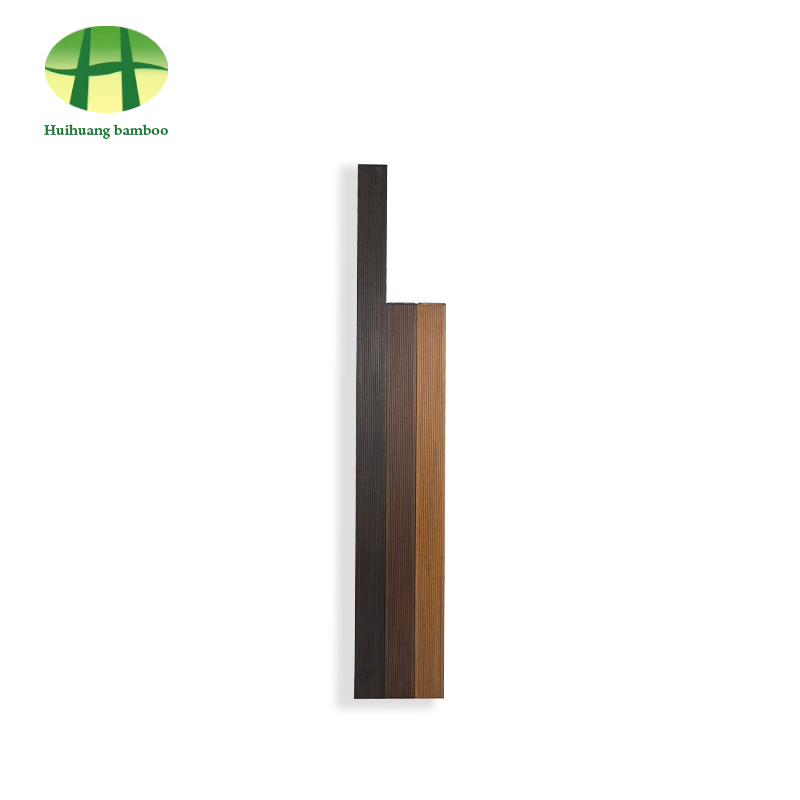 Custom Vertical Fine Small Wave Groove Bamboo Deck Good Slip Resistance For Wet Ningguo Kuntai Bamboo and Wood Co.,Ltd. Offer Custom Vertical Fine Small Wave Groove Bamboo Deck Good Slip Resistance For Wet Poolside Co...View Product →
Color Demand Moves toward Carbonized Tones and Low-Gloss Finishes
Color preference is shifting from the old single chocolate-brown standard toward carbonized darks, coffee mid-tones, and natural light shades, all finished with matte or low-gloss surfaces.
Buyers now treat color as a design material, matching deck boards with wall cladding, fencing, and pergola structures. The manufacturing consequence is a wider palette in the catalogues and a sharper focus on batch-to-batch consistency.
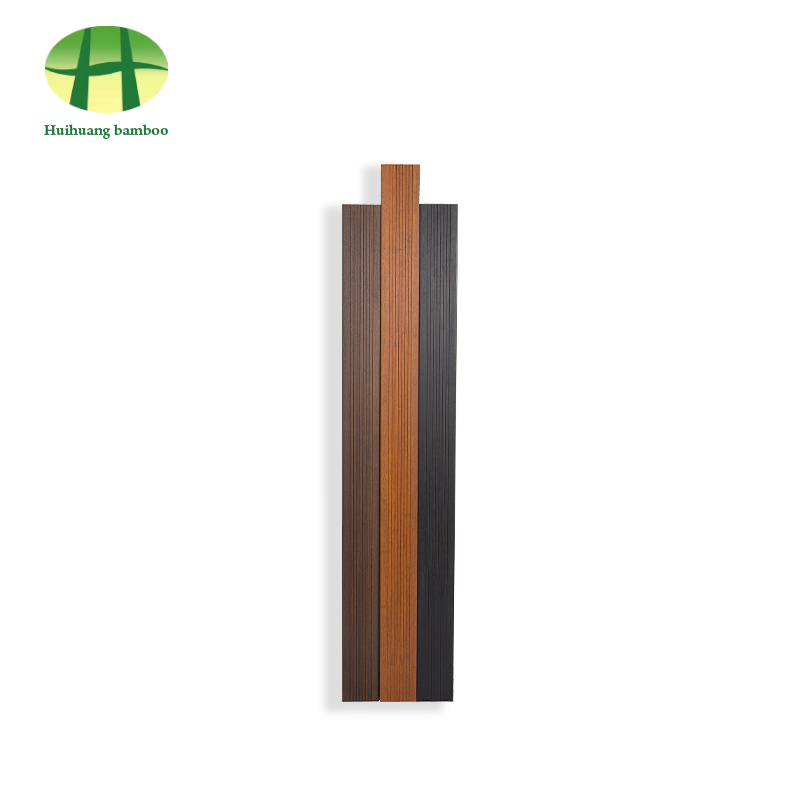
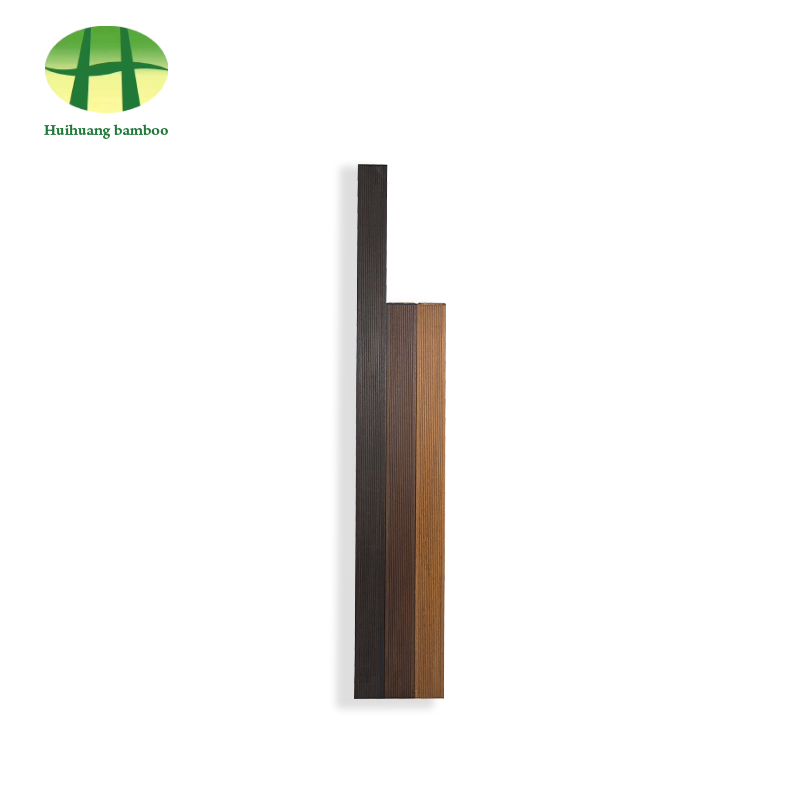
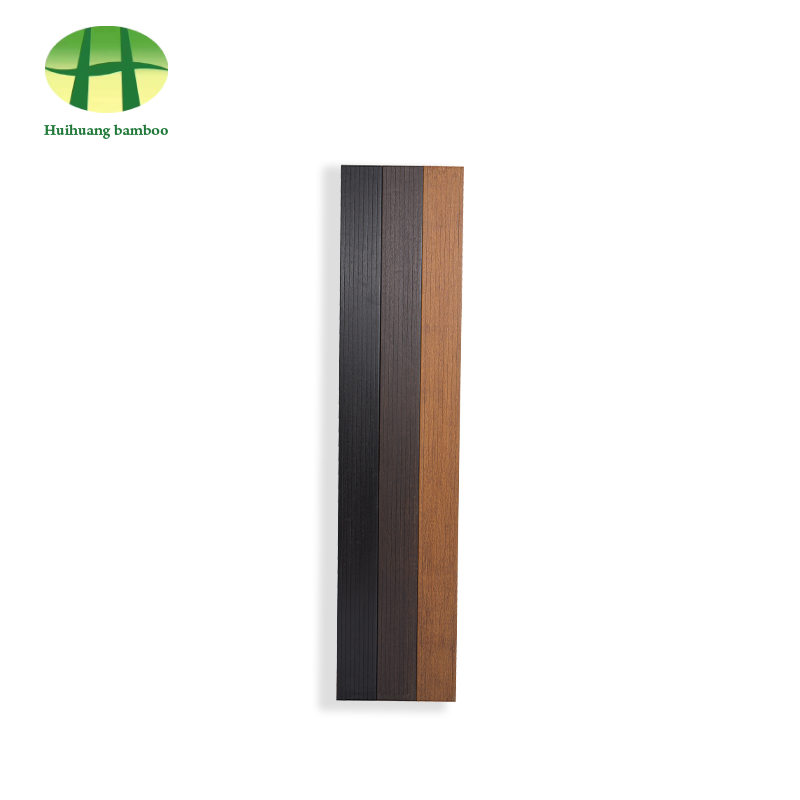
Carbonized board delivers the deep brown most garden projects want, at the cost of a lower hardness value than natural board. Coffee and pineapple tones sit between the extremes, and natural board remains the choice for pale, bright surfaces that need maximum hardness. Low-gloss finishes reduce fingerprints and make light scratches less visible.
Certification and Carbon Data Become Contract Conditions
FSC chain of custody, CE marking, and product-level carbon data are moving from marketing language into the binding clauses of import contracts and tender documents.
Importers are no longer asking whether a factory has a certificate. They are asking for the certificate number, the scope, and the issuing body, and they are attaching those documents to the purchase order. Carbon footprint data is following the same route.
Procurement in 2020
- FSC as a marketing badge
- CE as an export advantage
- Carbon data rarely requested
- Warranty as a sales pitch
Procurement in 2026
- FSC as a pre-qualification document
- CE as an entry requirement for EU projects
- Carbon footprint requested per square meter
- Warranty backed by documented failure data
Suppliers that cannot attach a chain-of-custody number or a carbon declaration to a specific production batch will be filtered out in the first rounds of large tenders. Manufacturers that can will benefit from faster approvals and more stable pricing.
Our outdoor bamboo flooring eco-friendly 2026 guide explains how the carbon arguments for bamboo are verified against certificate evidence in practice.
From Single-Product Supply to a Full Outdoor Material System
The strongest commercial trend is the expansion of strand woven bamboo from a flooring category into a coordinated outdoor system of wall panels, fences, pergolas, planters, and stable board.
Decks are increasingly specified as part of a larger exterior package. The same material family now appears on facades, on boundaries as fencing, and above the deck as a louvered pergola. For buyers, the advantage is visual consistency and one responsible supplier.
The modern outdoor garden composite bamboo pergola with louvered roof extends the strand woven bamboo system vertically, turning a deck into a shaded outdoor room. Wall panels, fences, and planter boxes complete the material language of the exterior.
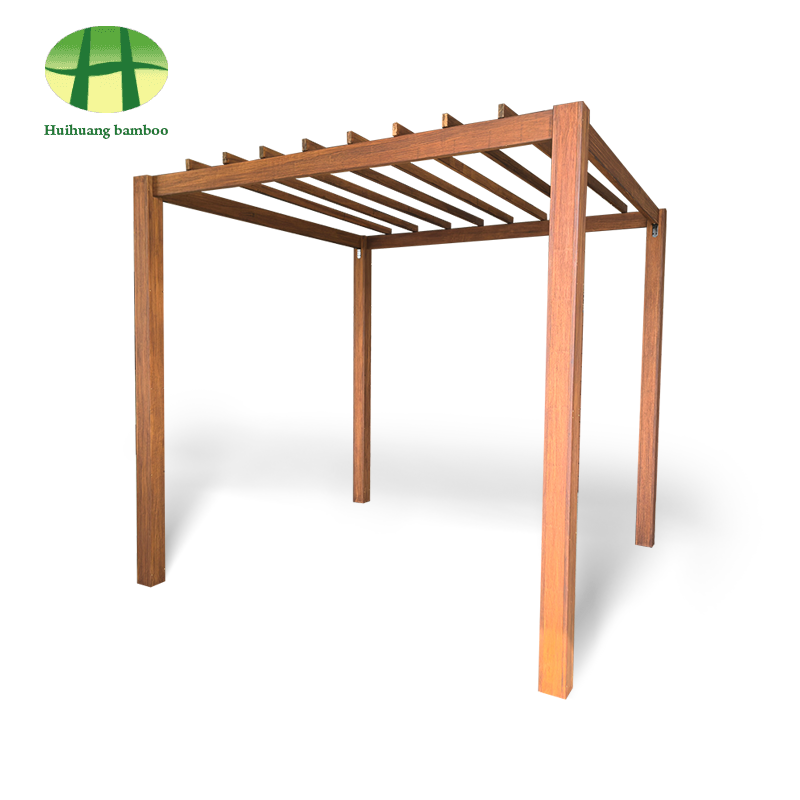 Custom Modern outdoor garden composite bamboo pergola outdoor louvered pergola MNingguo Kuntai Bamboo and Wood Co.,Ltd. Offer Custom Modern outdoor garden composite bamboo pergola outdoor louvered pergola Manufacturer...View Product →
Factory-Direct Manufacturing Wins the Long Game
Buyers are consolidating their supplier lists and moving toward factory-direct manufacturers that control bamboo selection, pressing, finishing, and quality testing under one roof.
The economics of strand woven bamboo favor vertical integration. A manufacturer that controls raw bamboo and every production step can keep quality consistent and respond quickly to custom profiles and sizes. This is the model behind the Kuntai plant in Ningguo, Anhui, a region exporters know as the bamboo township.
The plant operates under the US patent US11148318 for outdoor bamboo flooring as the authorized Chinese manufacturer and exporter, with FSC, CE, SGS, ISO 9001, and ISO 14001 certification. The 30,000 square meter facility and a team of more than 100 support the consistent supply that large outdoor projects require.
Buyers changing suppliers will find that the manufacturing method sets the performance ceiling; our strand woven bamboo hardness and durability guide explains the link in more detail.
Frequently Asked Questions
Will strand woven bamboo replace tropical hardwoods in outdoor decking?
In a growing share of projects, yes. Strand woven bamboo competes with tropical hardwoods on hardness and outdoor service life while offering better supply security and documented environmental credentials. Tropical species keep a role where specific aesthetics matter, but the default specification in commercial boardwalks, marinas, and residential terraces is shifting.
What documents should a buyer request from a strand woven bamboo supplier?
Request five items in writing: an EN 317 thickness swelling test report, the wet slip rating of the surface profile, an FSC chain-of-custody certificate, density and Janka hardness values for the exact batch, and UV-fade data for outdoor projects. Confirm the patent basis when the product is a patented outdoor bamboo system.
Is carbonized strand woven bamboo weaker than natural strand woven bamboo?
Yes, on hardness. Carbonization typically lowers Janka values by 15 to 25 percent compared with natural board, so carbonized material suits residential terraces and covered decks, while natural board fits heavy commercial traffic. In exchange, carbonized board offers a deep, stable color that does not depend on coatings.
When will carbon footprint data become mandatory for bamboo flooring?
Product-level carbon declarations are already requested on large public tenders in the European Union, and the practice is expected to spread through commercial and residential supply chains by 2028. Suppliers without a verified carbon footprint per square meter will be excluded from shortlists in those markets.
 View More

 +86-572-5215066 5216895
 office@hh-bamboo.com
 East Side of Huanggang RD,Ningdun County, Ningguo ,Xuancheng City,Anhui Province,China.