


 English
 Deutsch
Content
- 1 What Is Carbonized Strand Woven Bamboo Flooring?
- 2 Why Is Strand Woven Bamboo Flooring Gaining Popularity in Modern Interiors?
- 3 What Are the Key Advantages of Carbonized Strand Woven Bamboo Flooring?
- 4 How Does the Carbonization Process Affect Flooring Performance?
- 5 How Is Carbonized Strand Woven Bamboo Flooring Manufactured?
- 6 Why Is Carbonized Strand Woven Bamboo Flooring Suitable for Modern Interior Design?
- 7 Where Can Carbonized Strand Woven Bamboo Flooring Be Used?
- 8 How Does Carbonized Strand Woven Bamboo Flooring Compare With Traditional Hardwood Flooring?
- 9 What Factors Should Buyers Consider When Choosing Bamboo Flooring?
- 10 How Can Manufacturers Ensure the Quality of Strand Woven Bamboo Flooring?
- 11 What Are the Future Trends of Carbonized Bamboo Flooring?
Interior designers and flooring buyers keep circling back to one material for a reason: carbonized strand woven bamboo flooring pairs the warmth of natural wood grain with a density that outperforms many traditional hardwoods. It is the product of bamboo strands compressed under extreme pressure, then darkened through a carbonization process that gives the surface its rich, coffee-toned character. Here is how it is made, why specifiers are choosing it, and what to check before placing an order.
What Is Carbonized Strand Woven Bamboo Flooring?
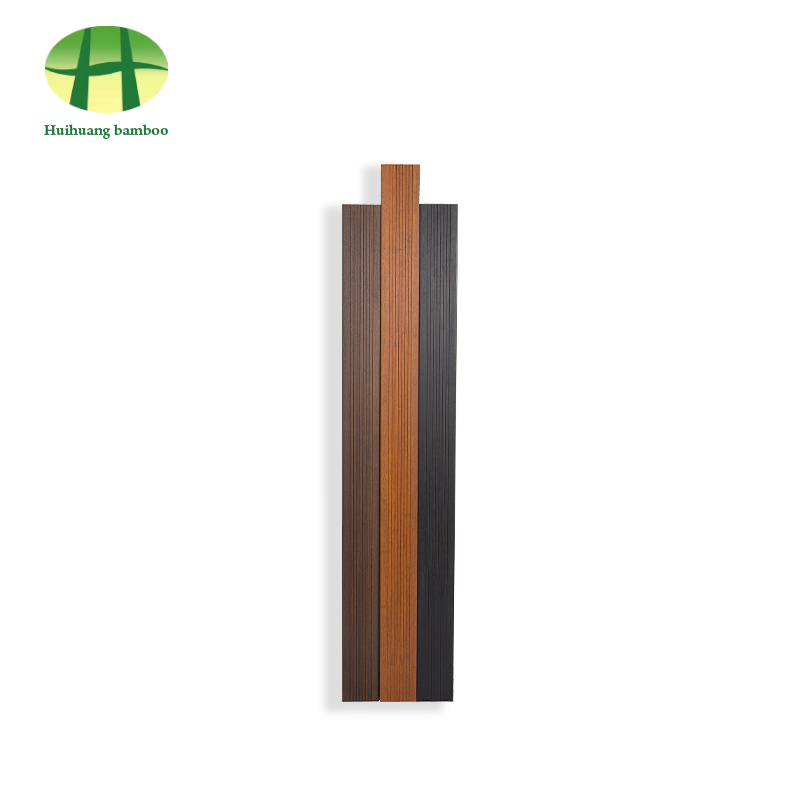
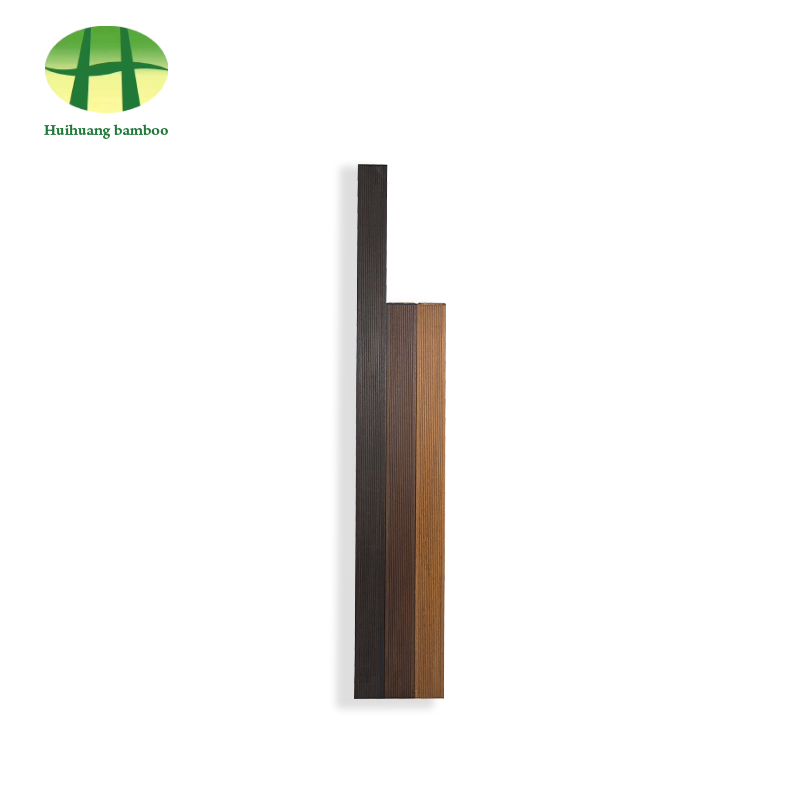
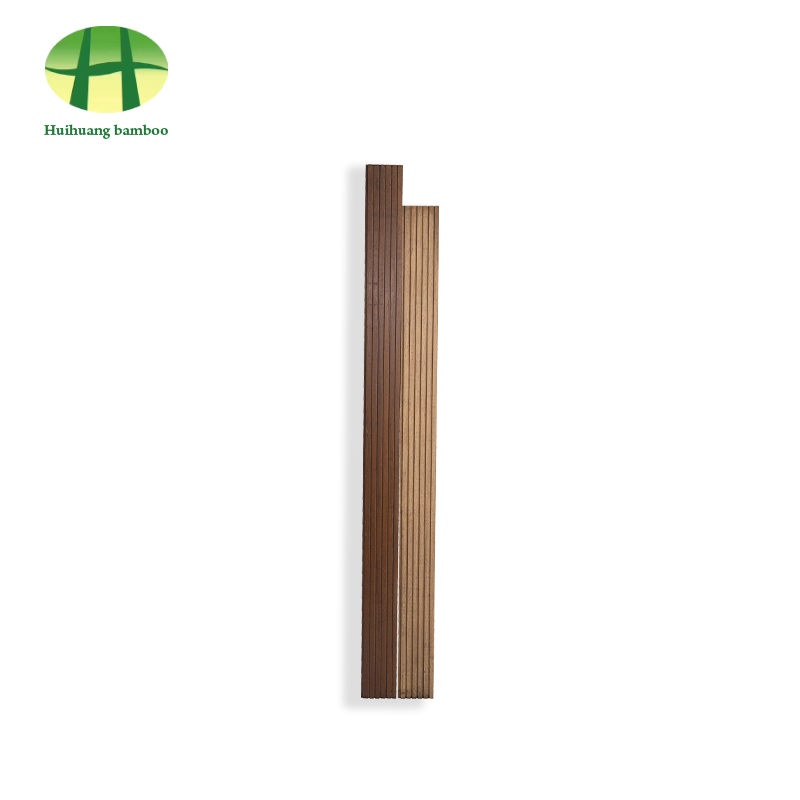
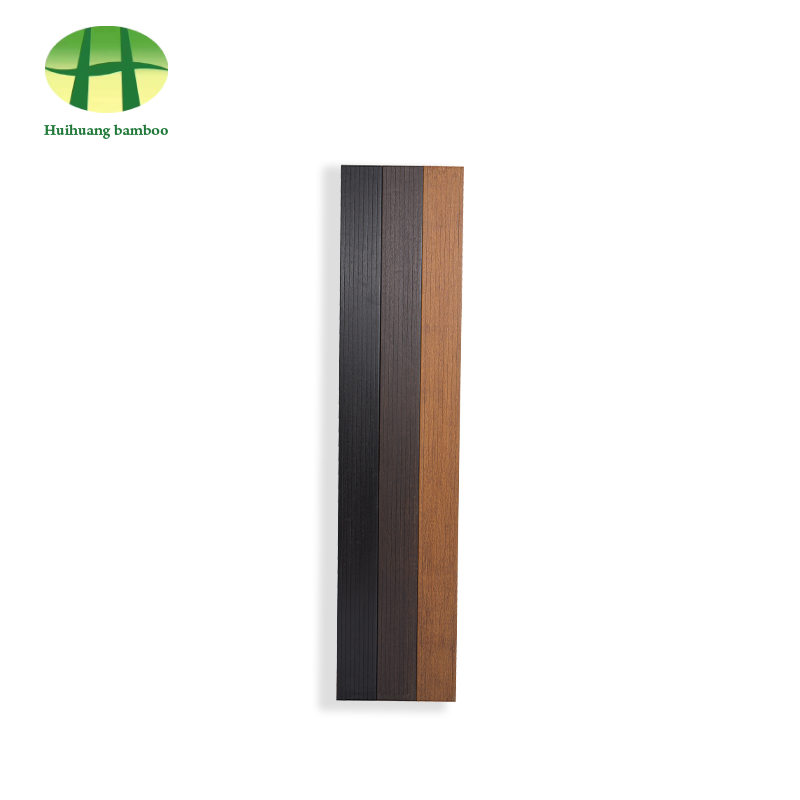
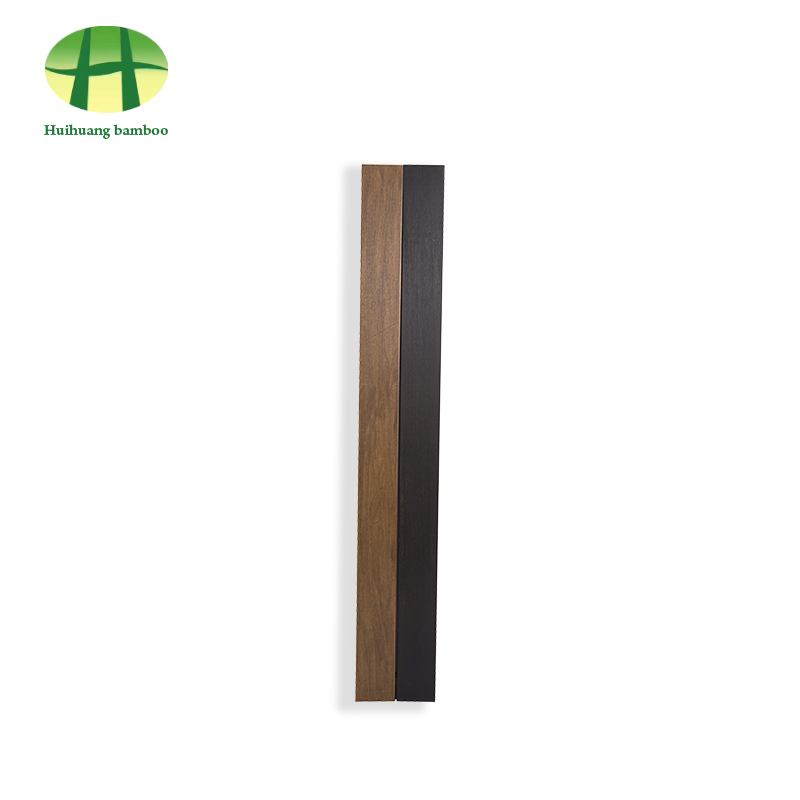
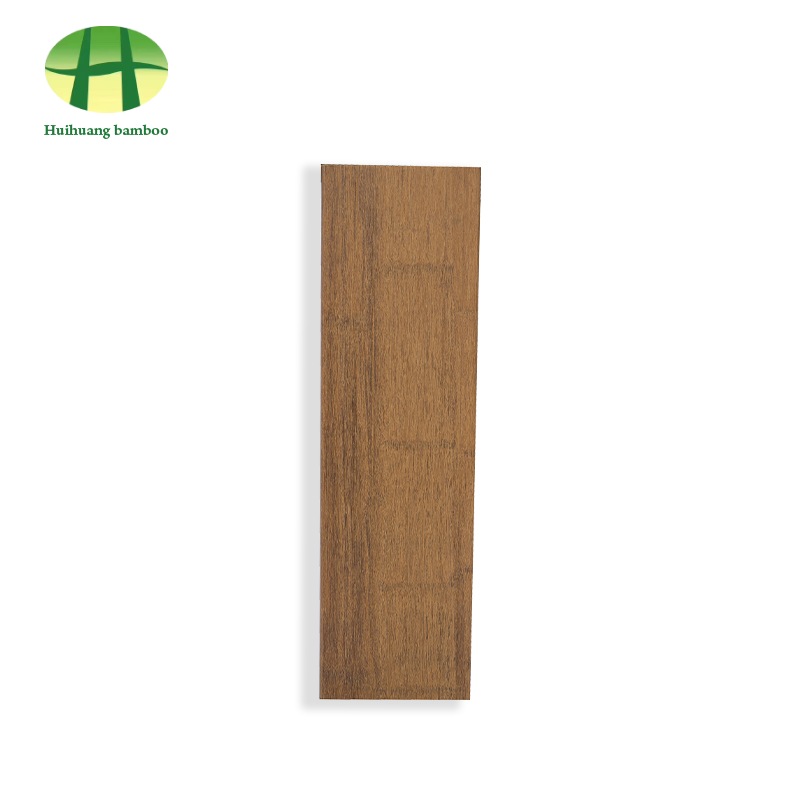
Strand woven bamboo flooring starts as raw bamboo fiber, shredded into long strands and bonded together under intense heat and pressure until it forms a dense, plank-ready material. Carbonization adds a second layer to that process: the bamboo strands are heat-treated before compression, which darkens the fiber from the inside and produces the deep amber-to-brown tones the finished flooring is known for.
Strand woven bamboo is not a laminate or a veneer. It is compressed bamboo fiber, solid from surface to subfloor, carbonized for color and pressed for strength.
The result is a flooring material that behaves less like traditional bamboo — often associated with softer, more delicate planks — and more like an engineered hardwood, with a structural density that comes directly from the compression process rather than from the species of tree it was cut from.
Why Is Strand Woven Bamboo Flooring Gaining Popularity in Modern Interiors?
Three forces are driving demand at the same time. Sustainability has moved from a niche preference to a baseline expectation in commercial and residential specification alike, and bamboo's rapid renewability makes it an easy answer to that expectation. At the same time, natural material aesthetics have returned to favor after years of synthetic flooring trends, and buyers are looking for durability that can withstand high-traffic use without constant refinishing.
- Growing demand for sustainable, renewable building materials across both residential and commercial projects
- A design shift back toward natural textures and warm, organic interior palettes
- Rising expectations for flooring that holds up under heavy daily traffic
- Increased buyer awareness of renewable resource sourcing throughout the supply chain
What Are the Key Advantages of Carbonized Strand Woven Bamboo Flooring?
The compression process creates a structure denser than most conventional bamboo or softwood flooring, improving overall hardness underfoot.
The dense structure resists the wear patterns typical of high-traffic areas, extending the usable life of the floor significantly.
Carbonization produces a warm, consistent tone with the natural grain texture of bamboo still visible across the surface.
Bamboo regenerates far faster than hardwood tree species, making it a renewable material source for large-scale flooring production.
How Does the Carbonization Process Affect Flooring Performance?
Carbonization is fundamentally a heat treatment. Raw bamboo strands are exposed to controlled high temperatures before they are bonded and compressed, and that heat exposure changes the fiber at a structural level, not just on the surface. The most visible result is color: natural bamboo starts out pale and straw-toned, while carbonized bamboo shifts toward a deeper, warmer brown as the heat treatment progresses.
That color change comes with an aesthetic trade-off worth understanding before specifying a project. The same heat treatment that darkens the fiber can very slightly soften it compared to natural, uncarbonized bamboo, which is why manufacturing quality — particularly the compression stage that follows — matters as much as the carbonization step itself in determining the final hardness of the plank.
How Is Carbonized Strand Woven Bamboo Flooring Manufactured?
Each stage builds directly on the one before it. Bamboo selection and preparation determine the raw fiber quality available for processing, while the carbonization and bonding stages set the color and structural integrity of the final plank. High-pressure compression is where the density that defines strand woven bamboo actually forms, and the finishing and inspection stages catch any inconsistency before flooring reaches a distributor.
Why Is Carbonized Strand Woven Bamboo Flooring Suitable for Modern Interior Design?
Warm, natural tones read as contemporary in nearly every interior style, from minimalist residential spaces to layered commercial interiors.
Its appeal is less about matching one specific style and more about how well it adapts across many. In minimalist interiors, the consistent grain and tone let the flooring act as a quiet backdrop. In warmer, more layered residential spaces, the same material becomes a visual anchor. Commercial interiors benefit from both qualities at once — a material calm enough not to compete with branding or signage, but distinctive enough to elevate a plain floor plan.
Where Can Carbonized Strand Woven Bamboo Flooring Be Used?
Residential Applications
Living rooms, bedrooms, and home offices all benefit from a flooring material that combines warmth with the durability to handle daily household traffic.
Commercial Applications
Offices, hotels, and retail spaces require flooring that can withstand consistent foot traffic while still supporting a polished design aesthetic, which is precisely where the material's density advantage matters most.
How Does Carbonized Strand Woven Bamboo Flooring Compare With Traditional Hardwood Flooring?
- Rapidly renewable material source
- Distinctive carbonized color and grain
- High-density structure from compression
- Sourced from slower-growing tree species
- Wide range of natural wood grain patterns
- Different sourcing and supply requirements
Neither material is a universal replacement for the other — the right choice for a carbonized strand woven bamboo flooring project usually comes down to sourcing priorities, budget, and the specific density and appearance a design calls for.
What Factors Should Buyers Consider When Choosing Bamboo Flooring?
| Factor | Why It Matters |
| Material quality | Determines consistency of density and appearance across the batch |
| Density | Directly affects durability and resistance to daily wear |
| Thickness | Influences installation method and long-term stability |
| Surface coating | Affects scratch resistance and maintenance requirements |
| Color consistency | Important for large-area installations and batch matching |
| Moisture resistance | Determines suitability for different room environments |
| Installation requirements | Affects project timeline and labor considerations |
How Can Manufacturers Ensure the Quality of Strand Woven Bamboo Flooring?
Consistent quality depends on controls applied at every stage of production. Raw material inspection filters out bamboo fiber that will not hold up under compression, while moisture testing confirms the material has been properly dried before bonding. Dimensional stability testing checks that finished planks will not warp or shift under normal humidity changes, and surface quality inspection catches any visible inconsistency in color or texture. Durability testing rounds out the process, verifying that finished flooring meets the wear resistance buyers expect.
What Are the Future Trends of Carbonized Bamboo Flooring?
Expect continued growth in renewable material use as sustainability requirements tighten across construction and design industries. Surface technology is also advancing, with improved coatings aimed at boosting scratch and moisture resistance without altering the material's natural appearance. Customization is becoming more accessible too, with manufacturers offering a wider range of tones and finishes, opening the door to broader use across commercial projects that previously defaulted to standard hardwood.
- Carbonization is a heat treatment that darkens bamboo fiber before compression
- Compression, not species, is what gives strand woven bamboo its density
- Best suited for high-traffic residential and commercial interiors alike
- Density, thickness, and moisture resistance are the top buyer checkpoints
- Quality control across all seven production stages determines final durability
 View More

 +86-572-5215066 5216895
 office@hh-bamboo.com
 East Side of Huanggang RD,Ningdun County, Ningguo ,Xuancheng City,Anhui Province,China.