


 English
 Deutsch
Content
- 1 Types of Strand Woven Harvest Bamboo Flooring
- 2 Applications of Strand Woven Harvest Bamboo Flooring
- 3 Key Performance Properties Buyers Should Evaluate
- 4 Installation and Maintenance Considerations
- 5 FAQ
- 5.1 What is strand woven harvest bamboo flooring?
- 5.2 Is strand woven bamboo flooring durable?
- 5.3 Is bamboo flooring suitable for commercial use?
- 5.4 How is strand woven bamboo flooring installed?
- 5.5 How do you maintain strand woven bamboo flooring?
- 5.6 What is the difference between strand woven and solid bamboo flooring?
- 6 Final Thoughts
Choosing the right flooring material affects durability, maintenance cost, and long-term appearance in any interior project. Strand Woven Harvest Bamboo Flooring has become a preferred option for architects and contractors who need a hard-wearing, dimensionally stable surface with a natural wood-like appearance. This guide explains the construction types, application scenarios, performance properties, and installation practices buyers should evaluate before specifying strand woven bamboo flooring for residential or commercial projects.
Types of Strand Woven Harvest Bamboo Flooring
Strand woven harvest bamboo flooring is produced by compressing shredded bamboo fibers under high pressure, which creates a board significantly denser than traditional horizontal or vertical bamboo strip flooring. Understanding the available construction and finishing types helps buyers match the product to project requirements.
- 01
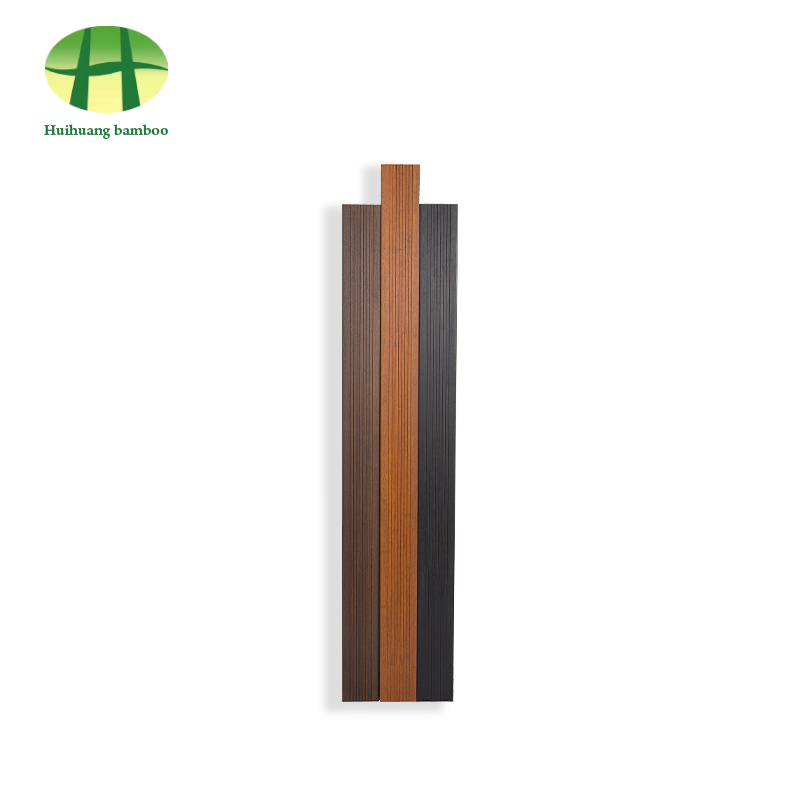
Solid Strand Woven Bamboo Flooring — A single-layer board milled directly from compressed bamboo strand material. Solid boards offer maximum thickness for sanding and refinishing over the product lifespan.
- 02
Engineered Bamboo Flooring — A strand woven wear layer bonded to a multi-ply substrate. Engineered construction improves dimensional stability across humidity swings, making it suitable for regions with fluctuating climate conditions.
- 03
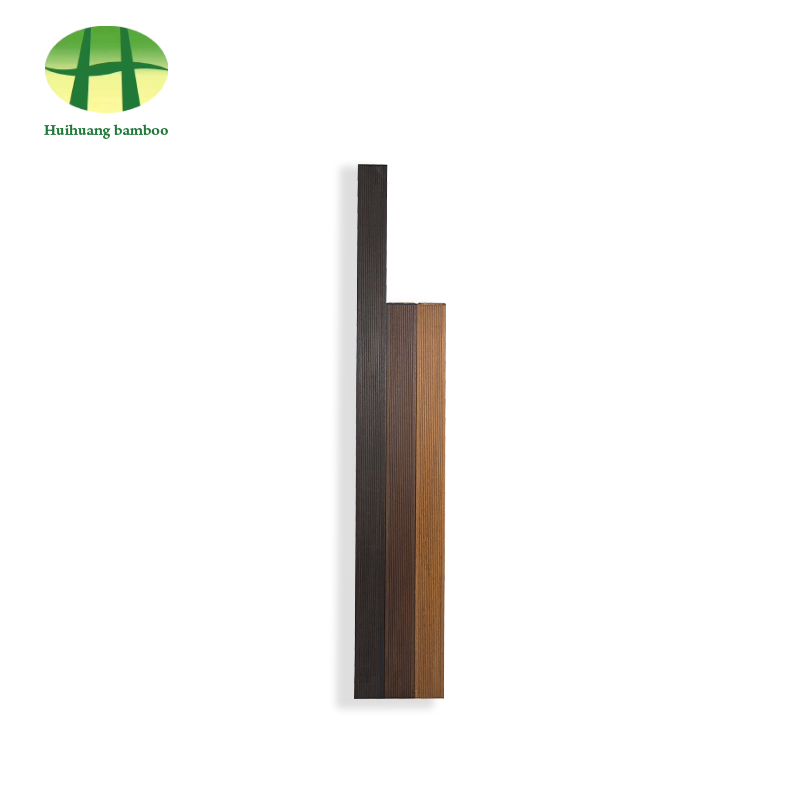
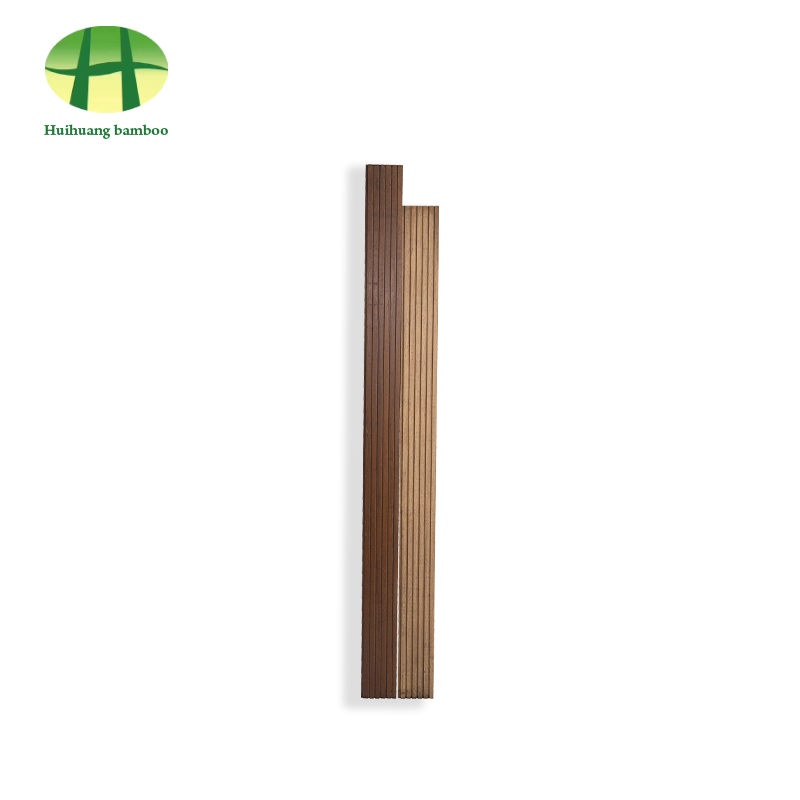
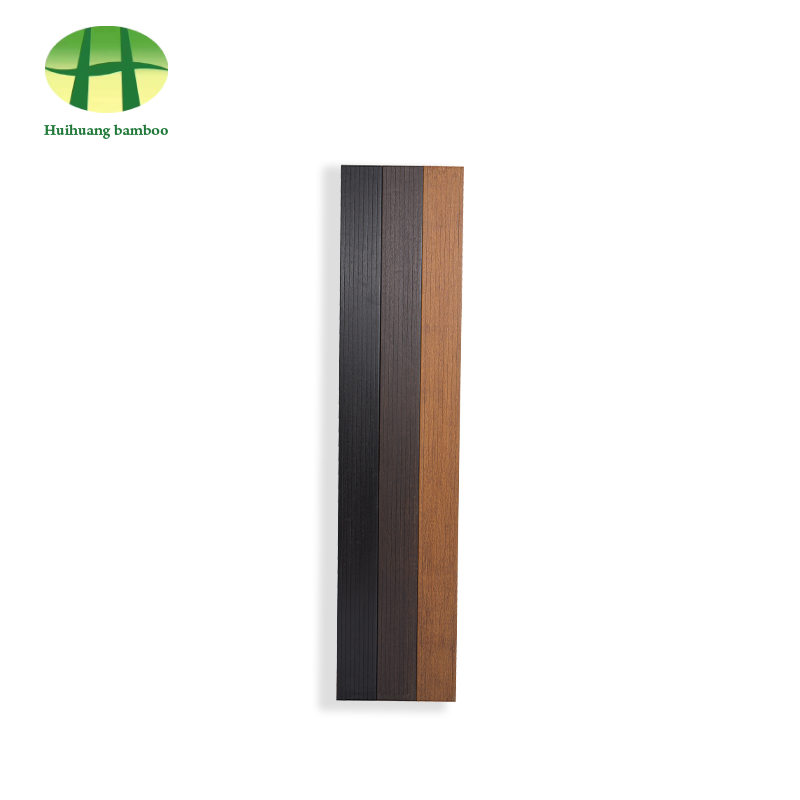
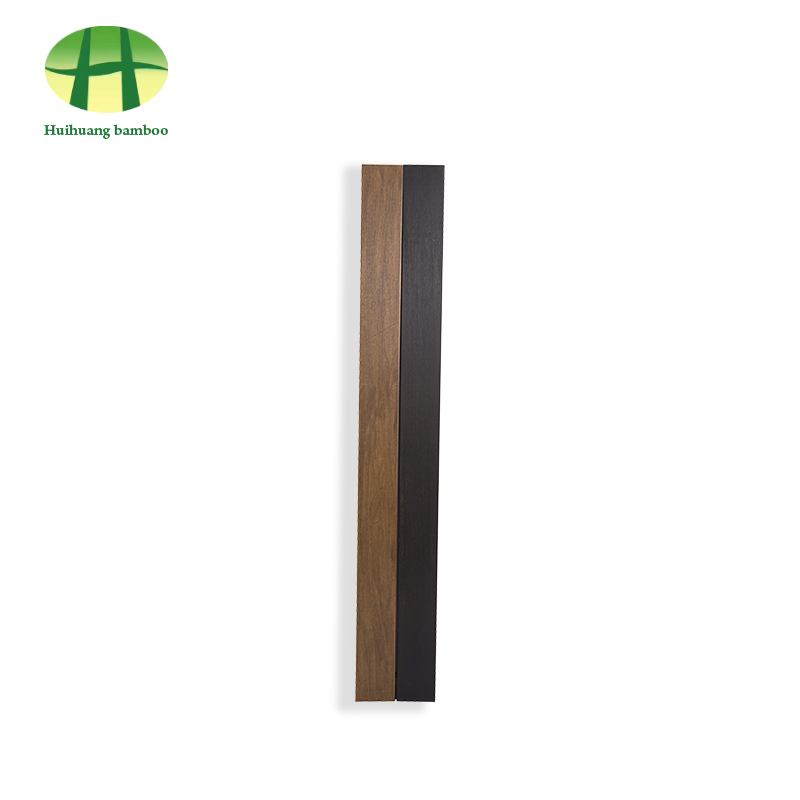
Carbonized Strand Woven Bamboo Flooring — Bamboo fiber that undergoes a heat treatment process before compression, producing a warmer amber tone. Carbonization can slightly soften the fiber, so buyers prioritizing maximum hardness may prefer natural-toned options.
- 04
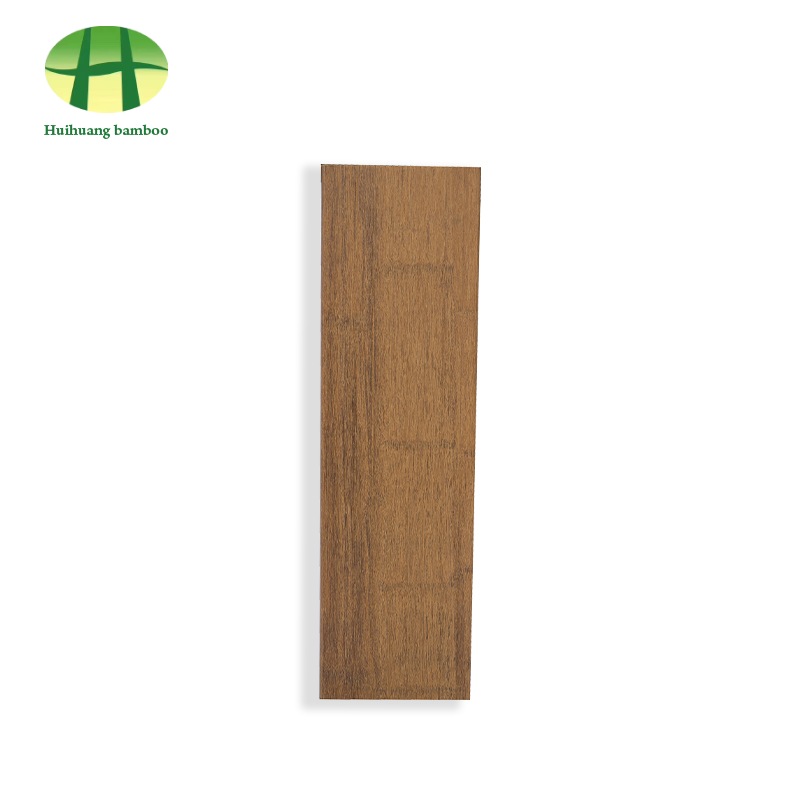
Natural Harvest Bamboo Flooring — Uncarbonized strand woven boards that retain the fiber's original density and a lighter, honey-toned finish, generally associated with higher surface hardness.
The distinction between solid and engineered construction is the most consequential decision for most buyers. The comparison below outlines core differences to consider during specification.
Solid Bamboo Flooring
Single-layer construction. Greater total wear layer for future refinishing. Best suited to stable indoor climates with controlled humidity. Typically installed via nail-down or glue-down methods over appropriate subfloors.
Engineered Bamboo Flooring
Multi-layer construction with cross-directional plies. Improved resistance to expansion and contraction. Compatible with floating floor systems and radiant heating setups. Preferred for basements and mixed-climate regions.
Applications of Strand Woven Harvest Bamboo Flooring
Strand woven harvest bamboo flooring performs across a wide range of interior settings because its compressed fiber structure delivers a harder wearing surface than many conventional hardwood species, while remaining a renewable, fast-regenerating material.
Residential Applications
In residential bamboo flooring projects, strand woven boards are commonly specified for living rooms, hallways, bedrooms, and kitchens where a durable, low-maintenance interior flooring surface is desired. The tight fiber structure resists everyday indentation from furniture legs and foot traffic better than lower-density flooring alternatives, and the natural grain pattern suits both traditional and contemporary interior design styles.
Commercial Applications
Commercial strand woven bamboo flooring is increasingly specified for office buildings, retail stores, hospitality interiors, and educational facilities. High traffic flooring environments demand a surface that maintains appearance under repeated foot traffic, rolling loads from carts or furniture, and frequent cleaning cycles. The density achieved through the strand weaving process makes this material a practical choice where flooring must withstand sustained commercial use without frequent replacement.
Living areas, bedrooms, hallways, kitchens
Offices, retail stores, hospitality lobbies
Schools, libraries, administrative buildings
Refinishing projects on solid board construction
Eco-friendly flooring credentials are another reason bamboo is specified across both residential and commercial applications. Bamboo reaches maturity for harvest far faster than most hardwood tree species, allowing continuous cultivation cycles without the long regrowth timelines associated with traditional timber. Buyers sourcing for developer or OEM/ODM projects often cite this renewability alongside performance as a dual justification for specification.
A practical selection rule: match construction type to environment first, then finish tone to design intent. Engineered strand woven boards suit variable-humidity commercial spaces, while solid boards suit climate-controlled residential interiors where future refinishing is valued.
Key Performance Properties Buyers Should Evaluate
Evaluating strand woven bamboo flooring durability requires looking beyond surface appearance to the underlying fiber density, finish system, and moisture handling characteristics of the product.
Hardness and Density
The strand weaving process compresses bamboo fiber under high pressure, producing a board with markedly higher density than flat-grain or horizontal-grain bamboo flooring, and generally exceeding the hardness of many common hardwood species. This higher density translates directly into scratch resistant bamboo flooring performance, an important consideration for households with pets or commercial spaces with rolling furniture.
Moisture Resistance
Moisture resistant bamboo flooring characteristics vary by construction type and finish quality. Engineered strand woven boards, with their cross-ply substrate, generally handle seasonal humidity changes with less cupping or gapping than solid boards. Buyers in humid climates or below-grade installations should prioritize engineered construction and confirm the finish coating is rated for the intended environment.
| Property | Solid Bamboo | Engineered Bamboo |
| Relative Density | High | High (wear layer) |
| Dimensional Stability | Moderate | High |
| Refinishing Potential | Multiple times | Limited by wear layer |
| Recommended Setting | Stable indoor climate | Variable humidity, radiant heat |
Surface Finish and Wear Layer
The finish coating applied over strand woven bamboo flooring directly affects scratch resistance, sheen retention, and long-term appearance. Aluminum oxide and UV-cured coatings are common in the category because they resist abrasion better than basic surface sealants, which matters most in high traffic flooring applications where floors are exposed to continuous foot movement.
Definition: Strand woven bamboo flooring is a compressed composite floor material formed by shredding bamboo culm into fibers, coating them with adhesive resin, and pressing them under high heat and pressure into a dense plank, resulting in significantly greater hardness than traditional bamboo strip flooring.
Installation and Maintenance Considerations
Correct installation directly affects the long-term performance of strand woven bamboo flooring, and the method selected typically depends on the construction type, subfloor condition, and building environment.
Subfloor Assessment
Confirm the subfloor is flat, dry, and structurally sound before installation. Moisture testing is recommended for concrete subfloors, particularly for solid board installations.
Acclimation
Bamboo flooring boards should acclimate to the installation environment for the period specified by the supplier, allowing the material to adjust to local temperature and humidity before fitting.
Installation Method Selection
Floating bamboo floor systems use a click-lock mechanism over an underlayment and suit engineered boards. Glue-down bamboo flooring bonds boards directly to the subfloor, offering added stability for commercial traffic. Nail-down methods apply mainly to solid boards over wood subfloors.
Expansion Gaps
Leave manufacturer-recommended expansion gaps along perimeter walls to accommodate natural seasonal movement in the flooring.
Ongoing Maintenance
Floor maintenance for strand woven bamboo flooring is straightforward compared to many other hard flooring materials. Regular sweeping or vacuuming removes grit that could otherwise abrade the surface finish. When learning how to clean strand woven bamboo flooring, use a damp, well-wrung mop rather than saturating the surface with liquid, and avoid steam cleaners, which can compromise the finish coating and underlying adhesive bonds over time. Felt pads under furniture legs and entrance mats at building access points further reduce surface wear in both residential and commercial settings.
FAQ
What is strand woven harvest bamboo flooring?
It is a flooring material made by compressing shredded bamboo fibers under high heat and pressure into dense planks, resulting in a harder, more stable board than traditional strip bamboo flooring, available in solid and engineered constructions.
Is strand woven bamboo flooring durable?
Yes. The compression process used to manufacture strand woven boards produces a denser wear surface than most conventional bamboo and many hardwood flooring products, contributing to strong scratch and indentation resistance when paired with a quality finish coating.
Is bamboo flooring suitable for commercial use?
Strand woven bamboo flooring is commonly specified for commercial interiors including offices, retail stores, and hospitality spaces because its density supports sustained foot traffic and rolling loads better than lower-density flooring options.
How is strand woven bamboo flooring installed?
Installation depends on construction type. Engineered boards are typically floated or glued down, while solid boards may be nailed or glued to an appropriate subfloor. Acclimation and correct expansion gaps are required in all methods.
How do you maintain strand woven bamboo flooring?
Routine maintenance involves regular sweeping or vacuuming, occasional damp mopping with a well-wrung mop, avoiding standing water, and using protective pads under furniture to minimize surface wear.
What is the difference between strand woven and solid bamboo flooring?
Strand woven describes the manufacturing process that compresses bamboo fiber into a dense board, while solid and engineered describe the construction format of that board. Solid strand woven flooring is a single dense layer suited to refinishing, while engineered strand woven flooring adds a multi-ply substrate for improved dimensional stability.
Final Thoughts
Selecting strand woven harvest bamboo flooring comes down to matching construction type, finish, and installation method to the specific application. Engineered boards suit variable-humidity commercial environments, while solid boards suit stable residential interiors where long-term refinishing is a priority. Buyers who evaluate density, moisture resistance, and finish quality alongside intended traffic levels are best positioned to select a flooring solution that performs reliably across its service life.
 View More

 +86-572-5215066 5216895
 office@hh-bamboo.com
 East Side of Huanggang RD,Ningdun County, Ningguo ,Xuancheng City,Anhui Province,China.