


 English
 Deutsch
Content
- 1 Fire Resistance Standards: Beyond Conventional Timber
- 2 Anti-Slip Standards: Ensuring Pedestrian Safety
- 3 Technical Durability and Commercial Certification
- 4 Conclusion: The Engineer's Choice for Outdoor Surfaces
- 5 Structural Maintenance: Preserving the Strand-Woven Matrix
- 6 Frequently Asked Questions (FAQ)
- 7 Industry References
In high-traffic commercial environments, the selection of surface materials transcends aesthetics; it is a matter of rigorous engineering compliance and public safety. Selecting bamboo flooring outdoor decking for resorts, public parks, and boardwalks requires a deep understanding of material density and surface friction. Ningguo Kuntai Bamboo and Wood Co., Ltd., located in the "Bamboo Village" of Ningguo, Anhui Province, has been a specialized manufacturer since 2002. Operating from our 30,000-square-meter KUNTAI facility, we produce fire rated bamboo decking for commercial use that holds a prestigious US patent (No. US11148318). As an FSC, CE, and ISO-certified exporter, we provide technical solutions that meet the stringent safety codes required by B2B procurement professionals globally.
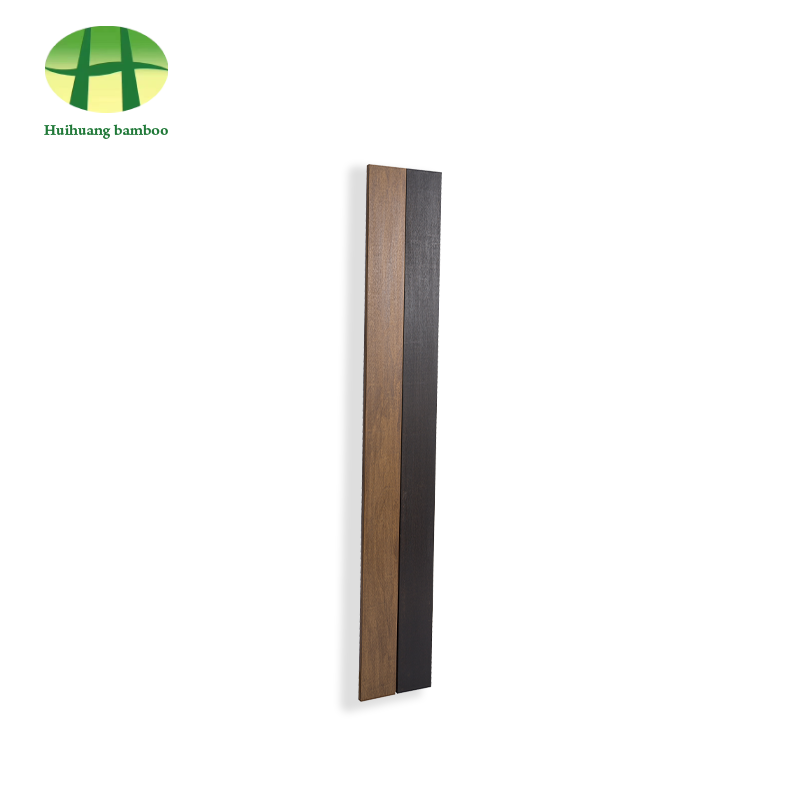
Fire Resistance Standards: Beyond Conventional Timber
For commercial architecture, the fire rating of a bamboo flooring outdoor decking system is often the deciding factor for building permit approval. Traditional softwoods often fail to meet the Class B requirements without heavy chemical treatment, whereas strand-woven eco-friendly outdoor bamboo decking for resorts achieves high fire resistance through its extreme density and carbonization process. Kuntai's decking undergoes a thermal treatment that reduces the volatile organic compound content, effectively slowing flame spread and smoke development. While standard wood decking typically carries a Class C rating, our fire rated bamboo decking for commercial use is engineered to meet EN 13501-1 Class Bfl-s1 standards, ensuring safety in public egress areas.
| Performance Feature | Standard Wood Decking | Strand Woven Bamboo Decking |
| Fire Rating (EN 13501-1) | Class C or D (Combustible) | Class Bfl-s1 (Flame Retardant) |
| Smoke Production | High density of toxic smoke | Low smoke emission (s1 rating) |
| Thermal Treatment | Surface level application only | Deep carbonization |
Anti-Slip Standards: Ensuring Pedestrian Safety
Slip resistance is calculated using the Pendulum Test Value (PTV) or the R-Value (Ramp Test). For anti slip outdoor bamboo deck boards, the surface texture—whether reeded, grooved, or flat—must maintain a high coefficient of friction even when saturated. Commercial projects such as poolside walkways or public wharves require a minimum PTV of 36+ to be classified as "low slip potential." Compared to composite materials that can become "greasy" when wet, high density strand woven bamboo planks offer a natural grain and specialized profiles that provide superior mechanical grip. Ningguo Kuntai Bamboo and Wood Co., Ltd. tests all products to ensure they meet the R10 or R11 anti-slip classifications essential for public safety.
Friction Analysis: Wet vs. Dry Conditions
The anti-slip performance of heavy duty bamboo decking for high traffic areas remains stable across varying moisture levels due to the inherent silica content in bamboo fibers.
| Testing Metric | Smooth Composite Decking | Kuntai Anti-Slip Bamboo Decking |
| Dry Slip Resistance | High (R10) | Excellent (R12) |
| Wet Slip Resistance | Low (R8 - Dangerous) | High (R10/R11 - Safe) |
| Surface Profile | Waxy/Synthetic | Micro-textured/Grooved Strand Woven |
Technical Durability and Commercial Certification
Commercial B2B buyers must look for durable exterior bamboo flooring for balconies that carry international quality seals. At Kuntai, our strand-woven process compresses bamboo fibers under 4,000 tons of pressure, creating a material harder than Ipe or Teak. This density is what supports our US patent and ensures the bamboo flooring outdoor decking does not warp or delaminate under extreme weather. Our adherence to ISO9001 and ISO14001 ensures that every batch of eco-friendly outdoor bamboo decking for resorts is produced with consistent mechanical properties and verified sustainable harvesting practices.
- FSC Certification: Guarantees that the bamboo is sourced from responsibly managed forests in the Anhui region.
- CE Marking: Confirms compliance with EU health, safety, and environmental protection standards.
- SGS Testing: Provides third-party verification of density, hardness, and formaldehyde emission levels (E1/E0).
- Patent US11148318: Reflects our unique technological innovation in the structure and longevity of outdoor strand-woven products.
Conclusion: The Engineer's Choice for Outdoor Surfaces
Choosing bamboo flooring outdoor decking from Ningguo Kuntai Bamboo and Wood Co., Ltd. means prioritizing technical performance without compromising on environmental ethics. By checking for Class B fire ratings and R11 anti-slip standards, architects and contractors can specify a heavy duty bamboo decking for high traffic areas that will withstand the rigors of time and heavy use. We welcome clients to visit our 30,000-square-meter modern factory to witness our patented manufacturing process firsthand.
Structural Maintenance: Preserving the Strand-Woven Matrix
The longevity of heavy duty bamboo decking for high traffic areas depends on the periodic replenishment of surface oils that protect the cellulose fibers from UV degradation and moisture ingress. At KUNTAI, our deep carbonization process makes the material hydrophobic, but commercial cleaning protocols must avoid abrasive chemicals that could strip the patented protective layers.
1. Cleaning Standards for Public Safety
Accumulated organic debris, such as algae or pollen, can significantly reduce the PTV (Pendulum Test Value) of anti slip outdoor bamboo deck boards. Regular cleaning ensures the surface texture remains exposed, providing the mechanical grip required for eco-friendly outdoor bamboo decking for resorts.
| Action | Frequency | Engineering Requirement |
| Debris Removal | Weekly | Use stiff natural brushes; avoid high-pressure washers (>1500 PSI). |
| Deep Cleaning | Bi-Annually | Utilize pH-neutral silicon carbide cleaners to remove biofilm. |
| Safety Inspection | Quarterly | Check for fastener tension to prevent board "cupping." |
2. Refinishing to Maintain Fire and Slip Compliance
Unlike standard wood, fire rated bamboo decking for commercial use should only be treated with specialized water-based or penetrating oils that do not increase the flame spread index. Applying thick, film-forming varnishes can trap moisture and lower the friction coefficient, effectively voiding the anti-slip certification of your bamboo flooring outdoor decking.
- Oil Selection: Use high-solid, UV-resistant penetrating oils specifically tested for high-density bamboo.
- Application Method: Apply "wet-on-wet" until the fibers are saturated, then wipe off excess to prevent a "tacky" surface that attracts dirt.
- Fire Rating Integrity: Ensure the refinishing agent is compatible with Class B fire requirements to maintain durable exterior bamboo flooring for balconies and public egress standards.
3. Performance Restoration Matrix
Over time, high-traffic friction may smooth out the micro-texture of the boards. In such cases, mechanical restoration may be necessary to return the deck to its original R10/R11 slip resistance rating.
| Surface Condition | Symptom | Restoration Step |
| Weathered / Greyed | UV bleaching of surface lignin. | Light sanding (80-grit) and re-oiling. |
| Loss of Grip | Surface becomes "polished" by traffic. | Application of an anti-slip additive in the final oil coat. |
| Localized Scratches | Mechanical impact from furniture. | Localized sanding and spot-treatment with KUNTAI touch-up kits. |
4. Professional Support from the "Bamboo Village"
Our 30,000-square-meter modern factory is equipped to provide replacement boards and technical consultations for any large-scale project. By adhering to this protocol, you protect the investment in your bamboo flooring outdoor decking and ensure that your commercial site remains compliant with FSC, CE, and SGS safety standards for decades to come.
Frequently Asked Questions (FAQ)
- Q1: What fire class does Kuntai bamboo decking achieve?
A: Our fire rated bamboo decking for commercial use typically achieves Class Bfl-s1 according to EN 13501-1 standards, making it suitable for most public and commercial applications. - Q2: Is bamboo decking slippery when wet?
A: No. When you select anti slip outdoor bamboo deck boards with a grooved or reeded profile, they achieve an R10 or R11 rating, providing safe traction even in rainy conditions. - Q3: Does Kuntai hold any specific patents?
A: Yes, we are the holder of US Patent No. US11148318 specifically for outdoor bamboo decking, which validates our specialized manufacturing and treatment process. - Q4: Can this decking handle high pedestrian traffic?
A: Absolutely. Our heavy duty bamboo decking for high traffic areas is strand-woven under extreme pressure, resulting in a Janka hardness rating significantly higher than traditional hardwoods. - Q5: How does Kuntai ensure environmental sustainability?
A: We are FSC certified and operate in the heart of the "Bamboo Village," ensuring short supply chains and adherence to ISO14001 environmental management systems.
Industry References
- EN 13501-1: Fire classification of construction products and building elements.
- DIN 51130: Testing of floor coverings - Determination of the anti-slip property.
- ASTM D1037: Standard Test Methods for Evaluating Properties of Wood-Base Fiber and Particle Panel Materials.
- ISO 9001:2015 & ISO 14001:2015: International standards for quality and environmental management.
 View More

 +86-572-5215066 5216895
 office@hh-bamboo.com
 East Side of Huanggang RD,Ningdun County, Ningguo ,Xuancheng City,Anhui Province,China.