


 English
 Deutsch
Content
- 0.1 1. Material Properties Affecting Slip Resistance
- 0.2 2. Wet Weather Performance
- 0.3 3. Ice and Frost Conditions
- 0.4 4. Surface Treatments for Safety
- 0.5 5. Compliance with Outdoor Safety Standards
- 1 FAQs
- 1.1 1. Can bamboo decking for outdoor terraces remain safe during heavy rain?
- 1.2 2. What is the best method to improve outdoor bamboo deck slip resistance?
- 1.3 3. How does bamboo perform under frost or ice?
- 1.4 4. Are there standards for safe bamboo terrace surfaces?
- 1.5 5. How should I maintain anti-slip bamboo terrace flooring in winter?
Bamboo decking for outdoor terraces has become a preferred material for modern outdoor living due to its natural aesthetics, sustainability, and durability. However, safety under adverse weather conditions, such as rain, humidity, and ice, is critical. Understanding the slip-resistance properties of bamboo decking ensures compliance with outdoor safety standards and reduces the risk of accidents.
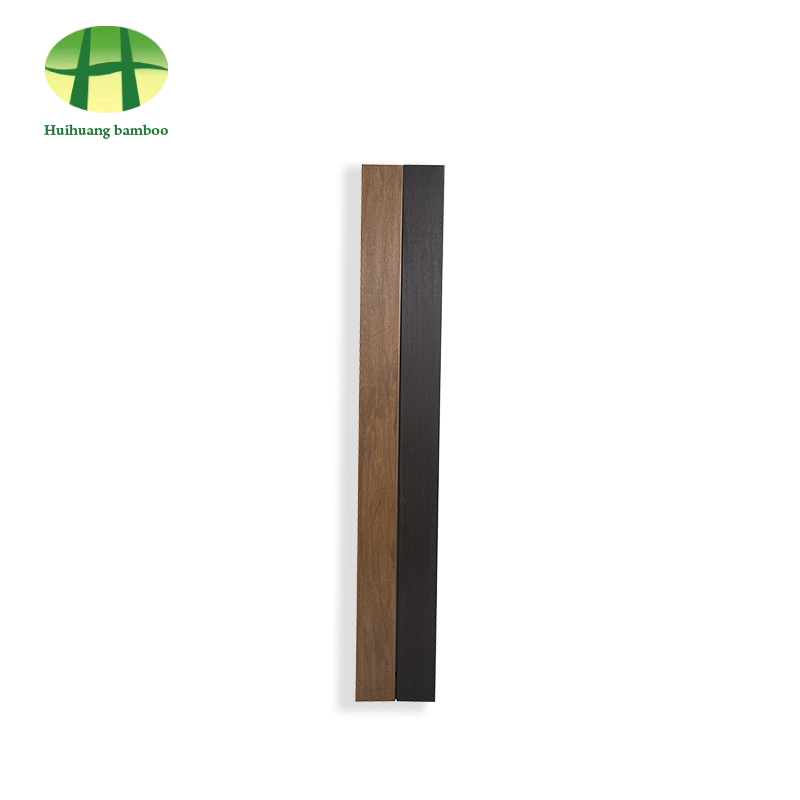
1. Material Properties Affecting Slip Resistance
The inherent properties of strandwoven bamboo influence outdoor bamboo deck slip resistance:
- High-density strandwoven structure enhances friction
- Textured surface patterns improve grip compared to smooth bamboo boards
- Natural bamboo fiber expansion and contraction can affect surface roughness
2. Wet Weather Performance
Evaluating bamboo decking wet weather performance is crucial for safety:
| Condition | Friction Coefficient | Safety Assessment |
|---|---|---|
| Dry | 0.65 | Excellent slip resistance |
| Wet | 0.50 | Meets outdoor safety standards; minor caution required |
| Standing Water | 0.40 | Moderate risk; use anti-slip coatings or mats |
3. Ice and Frost Conditions
Ice formation affects ice-resistant bamboo outdoor flooring performance:
- Natural bamboo surfaces maintain partial grip under thin frost
- Anti-slip finishes or grooved patterns improve traction in icy conditions
- Comparative friction coefficient: bamboo 0.25 vs. treated anti-slip 0.35
4. Surface Treatments for Safety
Using anti-slip bamboo terrace flooring solutions enhances performance:
| Treatment | Effect on Friction | Longevity |
|---|---|---|
| UV-resistant anti-slip coating | +0.10 friction coefficient | 2–3 years with routine maintenance |
| Grooved patterning | +0.08 friction coefficient | Permanent surface improvement |
| Non-slip mats | +0.15 friction coefficient | Removable, seasonal use |
5. Compliance with Outdoor Safety Standards
Ensuring safe bamboo terrace surfaces involves testing and adherence to guidelines:
- Measure static and dynamic coefficients of friction
- Maintain surface textures and coatings to meet anti-slip regulations
- Periodic inspection recommended after extreme weather events
FAQs
1. Can bamboo decking for outdoor terraces remain safe during heavy rain?
Yes, strandwoven bamboo maintains moderate friction in wet conditions. Anti-slip coatings or mats further enhance safety during continuous rainfall.
2. What is the best method to improve outdoor bamboo deck slip resistance?
Applying UV-resistant anti-slip coatings and incorporating grooved surface patterns significantly increase traction, especially in wet and icy conditions.
3. How does bamboo perform under frost or ice?
Ice-resistant bamboo outdoor flooring retains partial grip under light frost. For optimal safety, use anti-slip treatments or removable mats during icy weather.
4. Are there standards for safe bamboo terrace surfaces?
Yes, outdoor flooring must meet minimum static and dynamic friction coefficients. Regular inspection ensures continued compliance, particularly after prolonged moisture exposure.
5. How should I maintain anti-slip bamboo terrace flooring in winter?
Remove snow and standing ice, reapply coatings if worn, and use mats or traction strips in high-traffic areas to maintain safety.
 View More

 +86-572-5215066 5216895
 office@hh-bamboo.com
 East Side of Huanggang RD,Ningdun County, Ningguo ,Xuancheng City,Anhui Province,China.