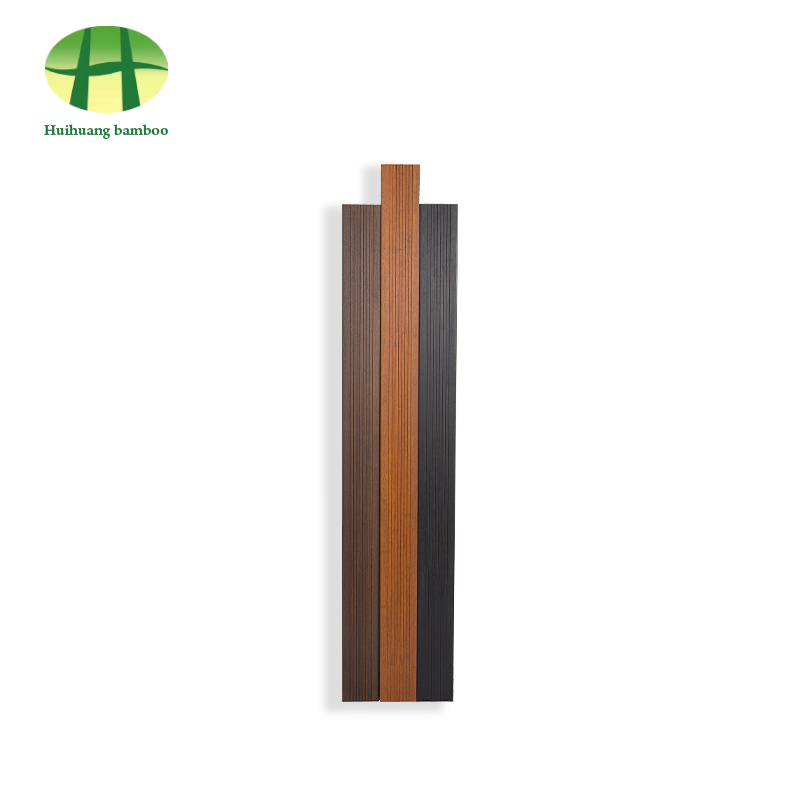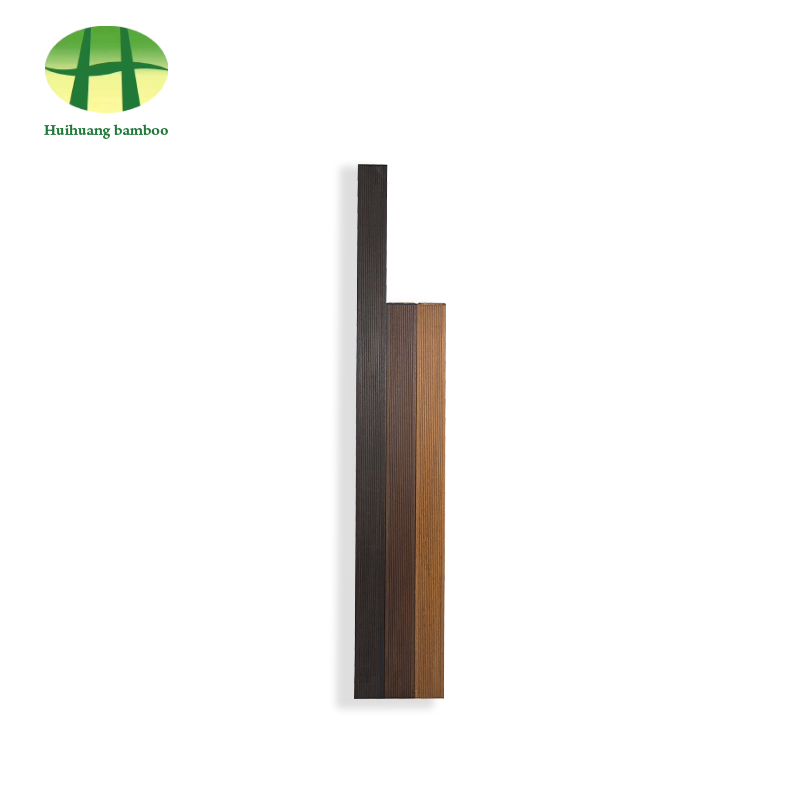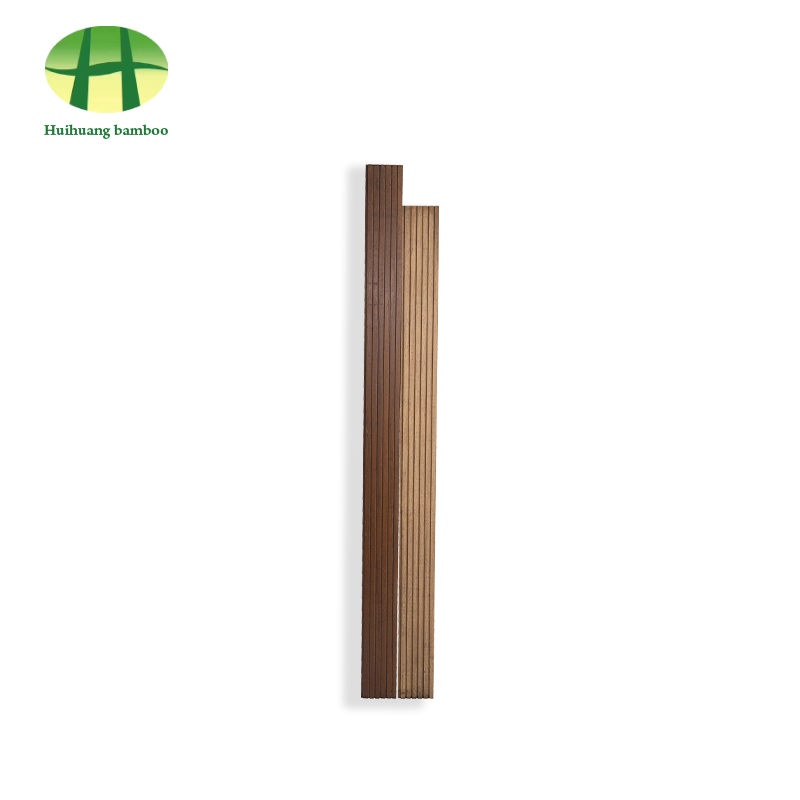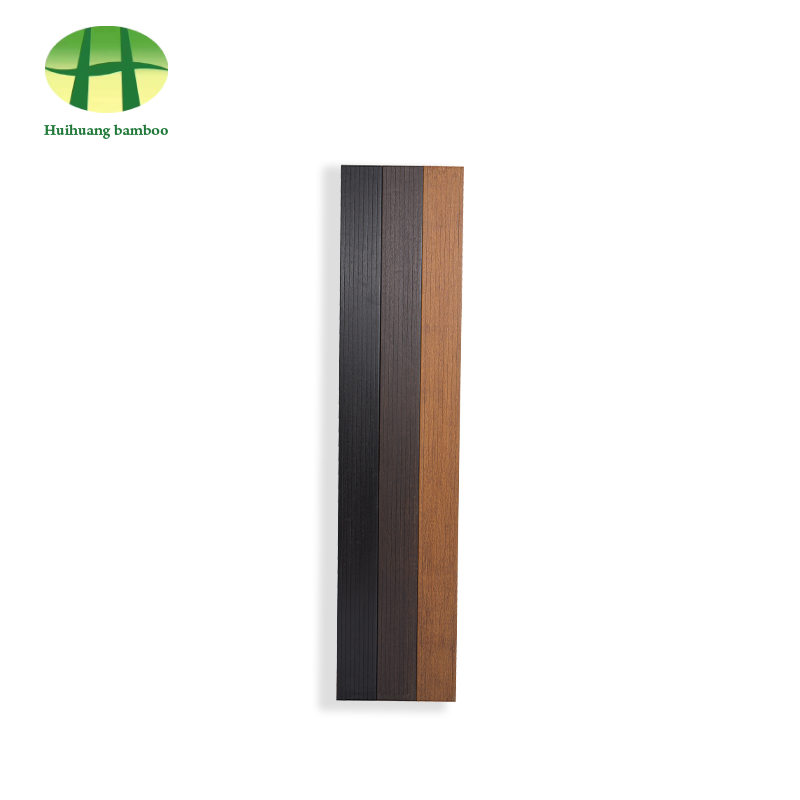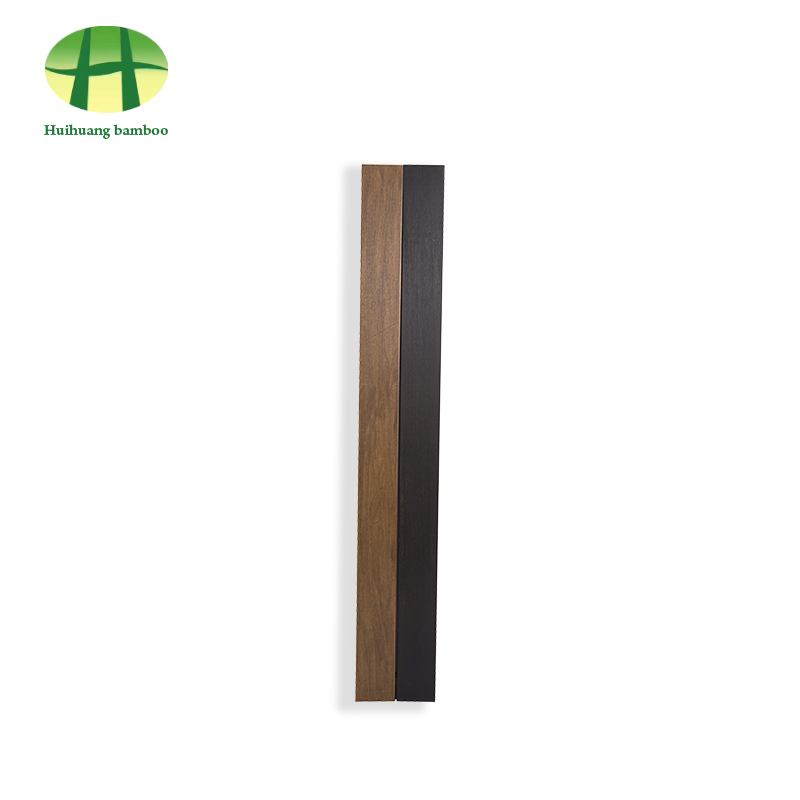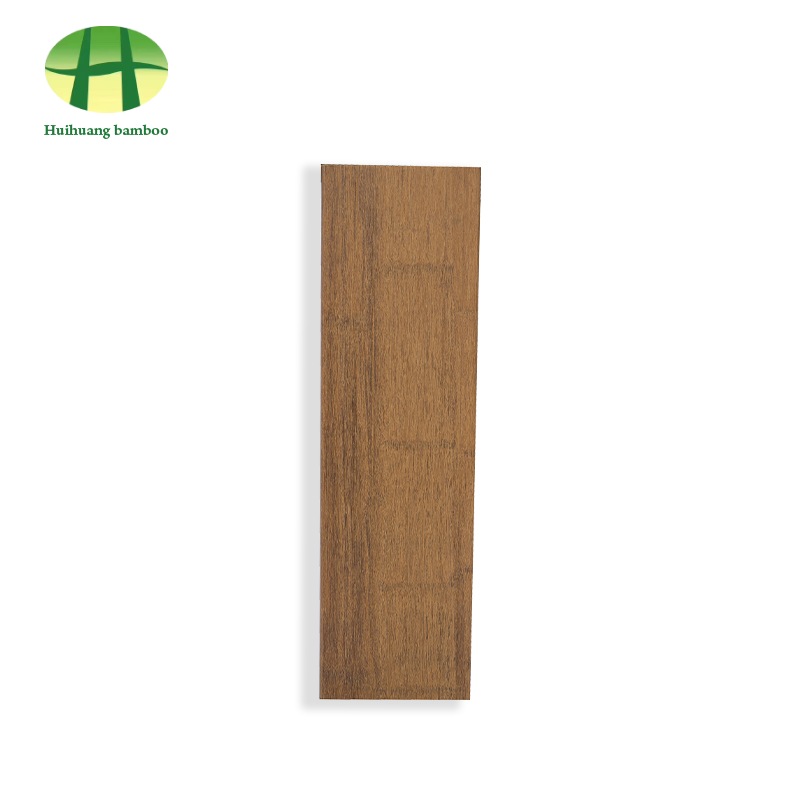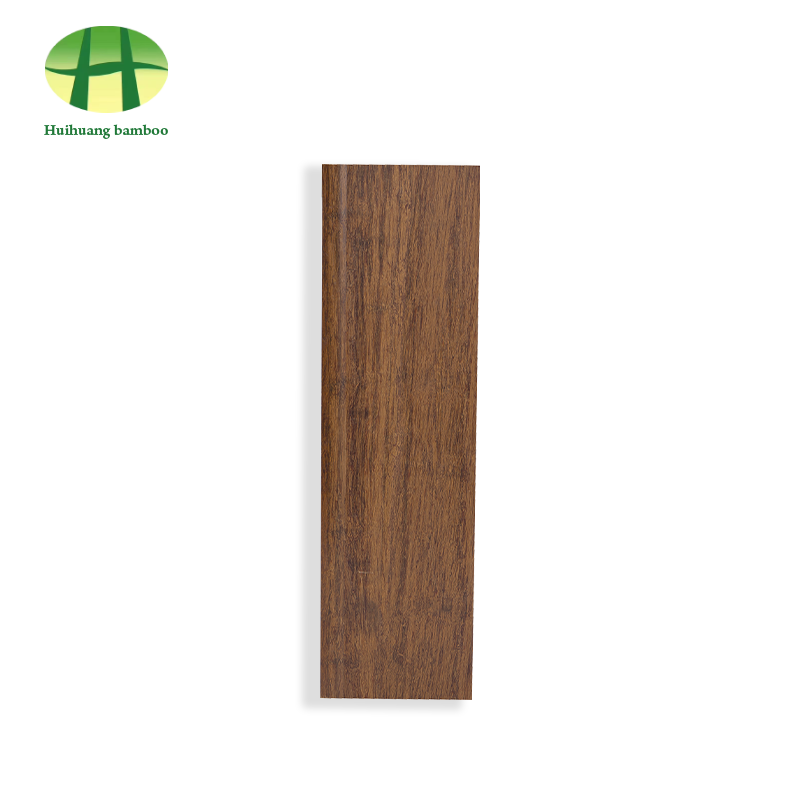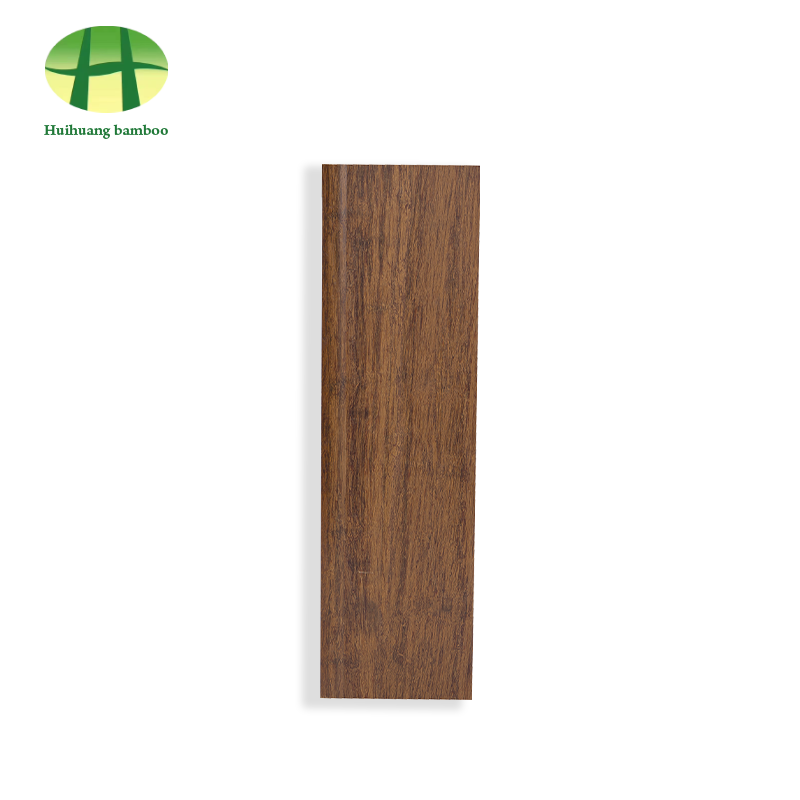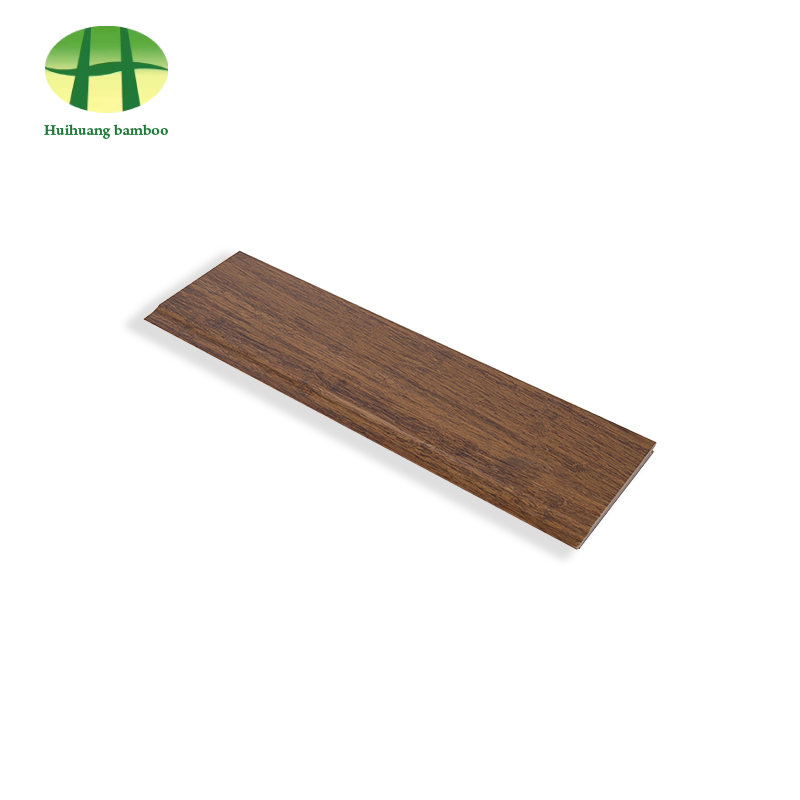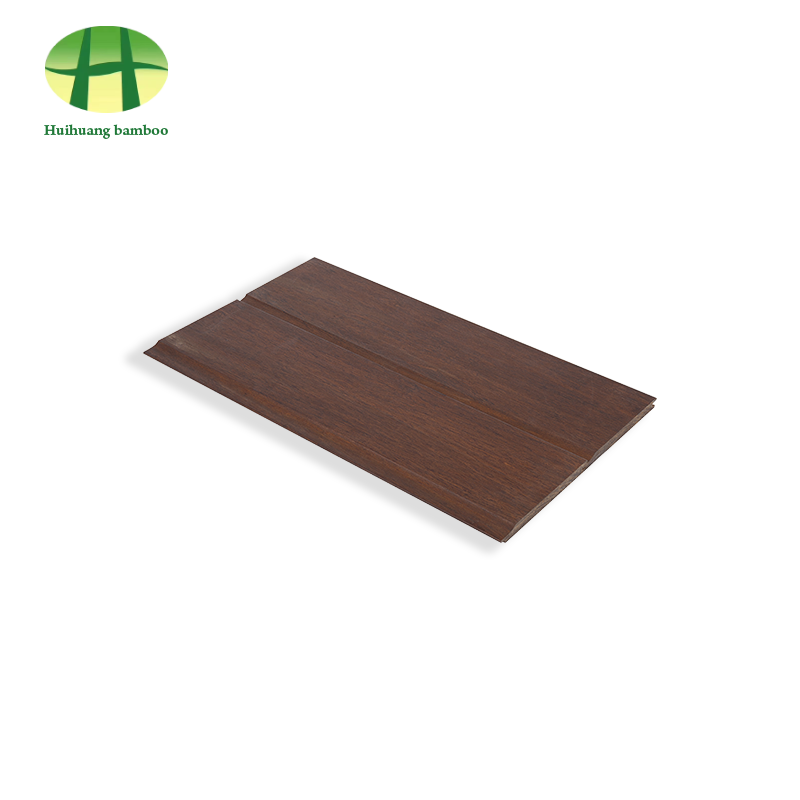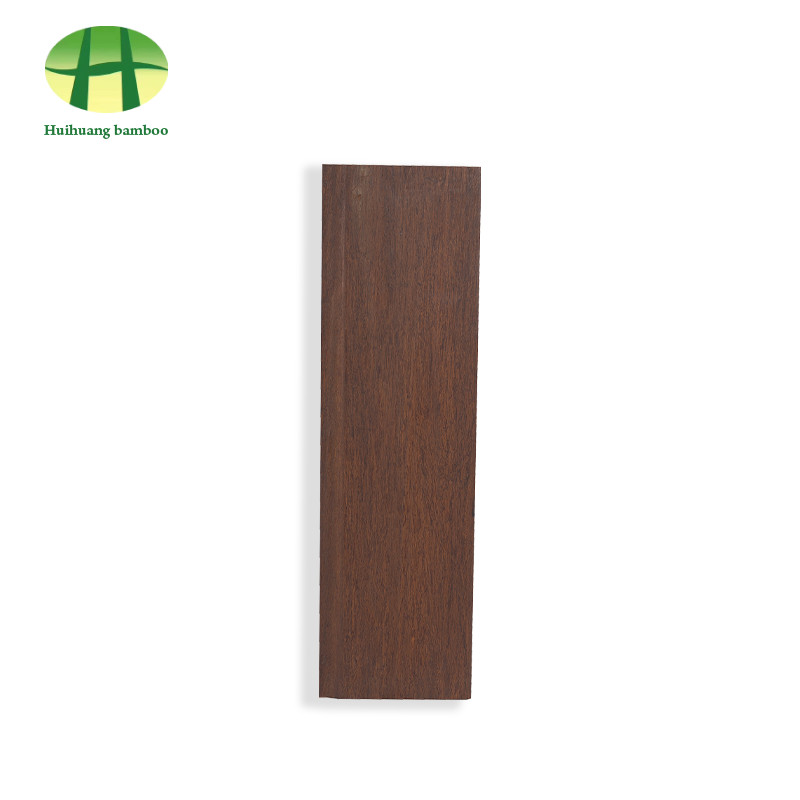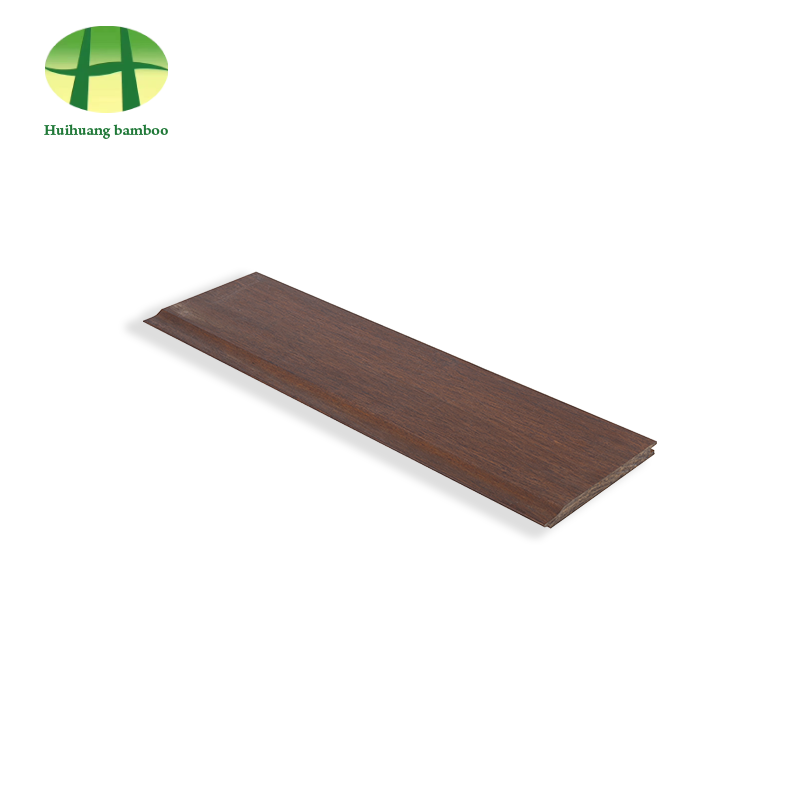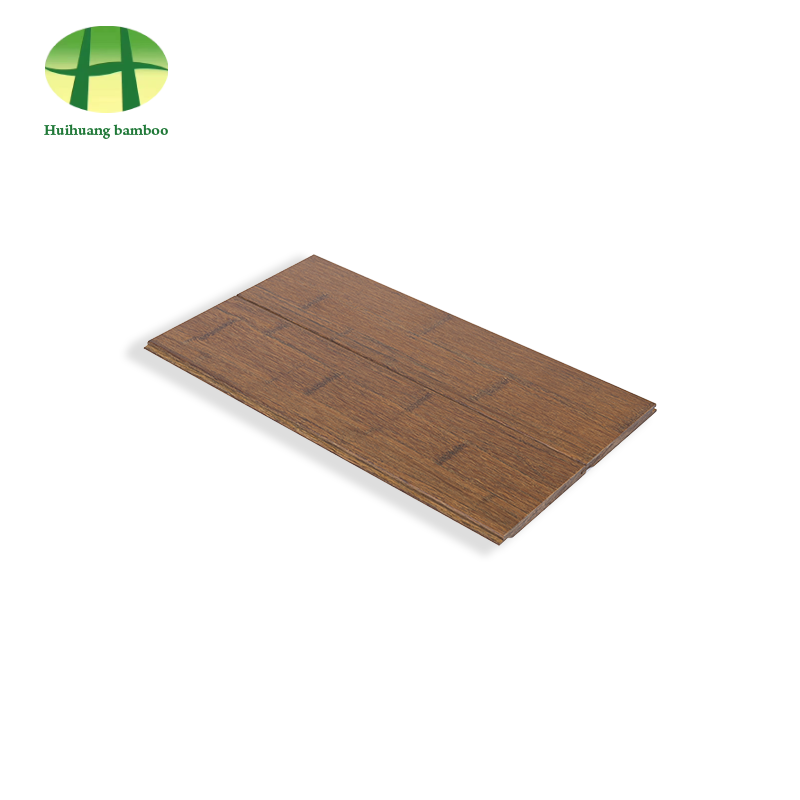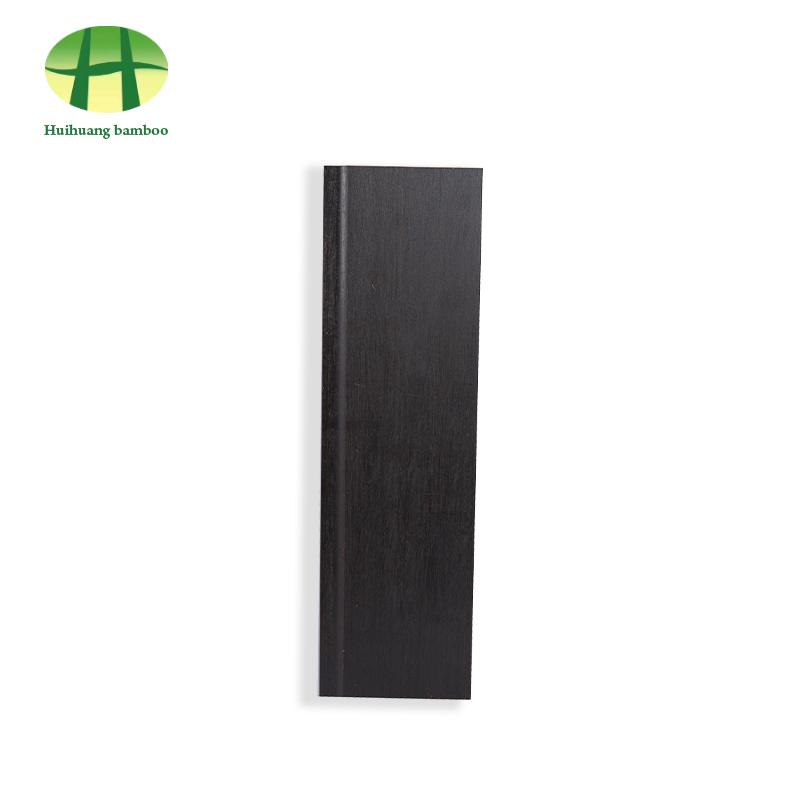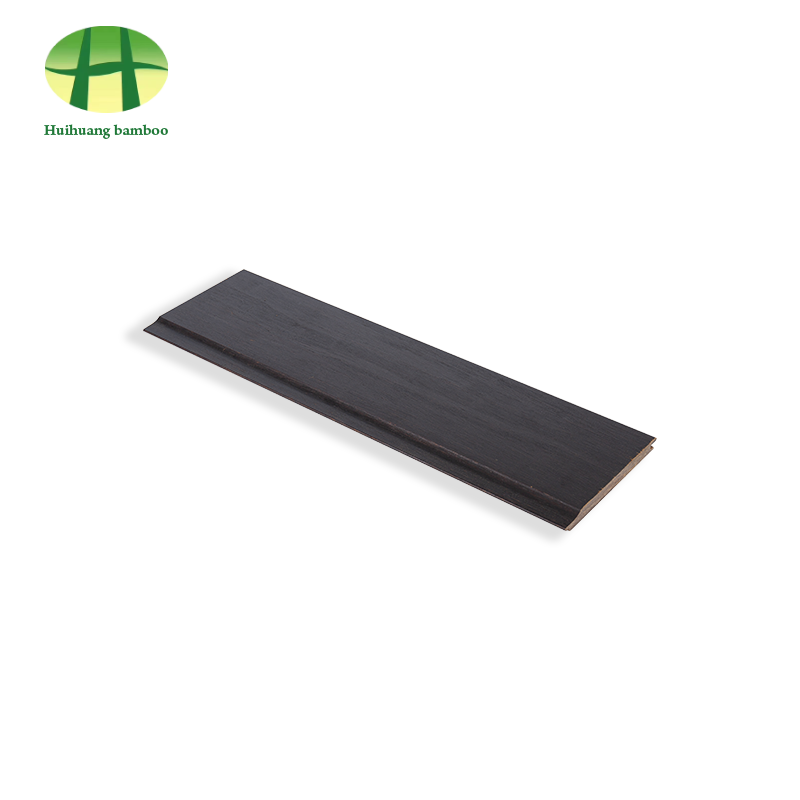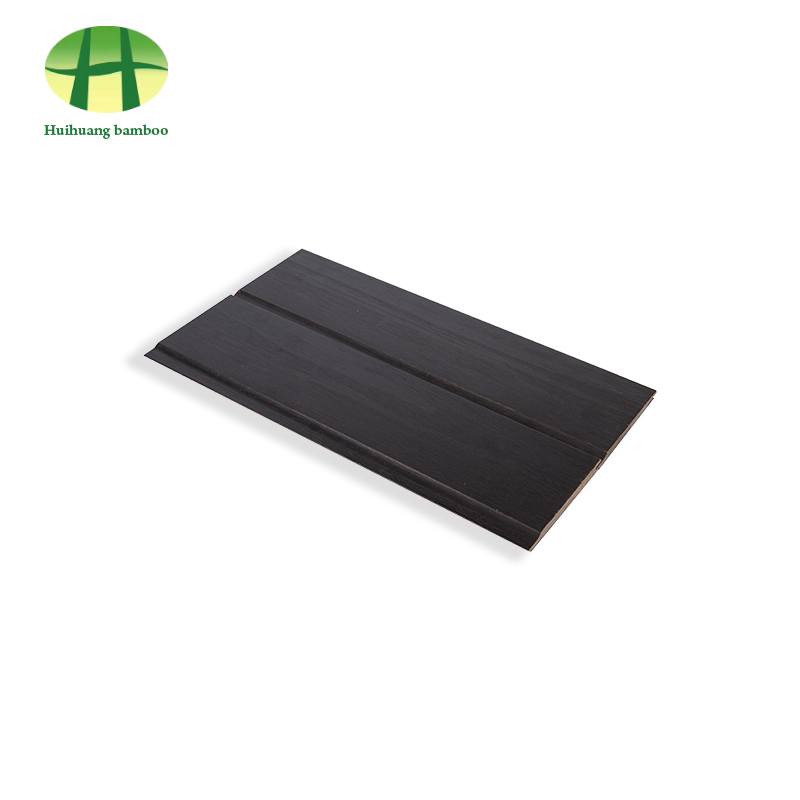
Horizontal outdoor heavy bamboo wall panels
Our Products

Horizontal outdoor heavy bamboo wall panels

Horizontal outdoor heavy bamboo wall panels

Product Details

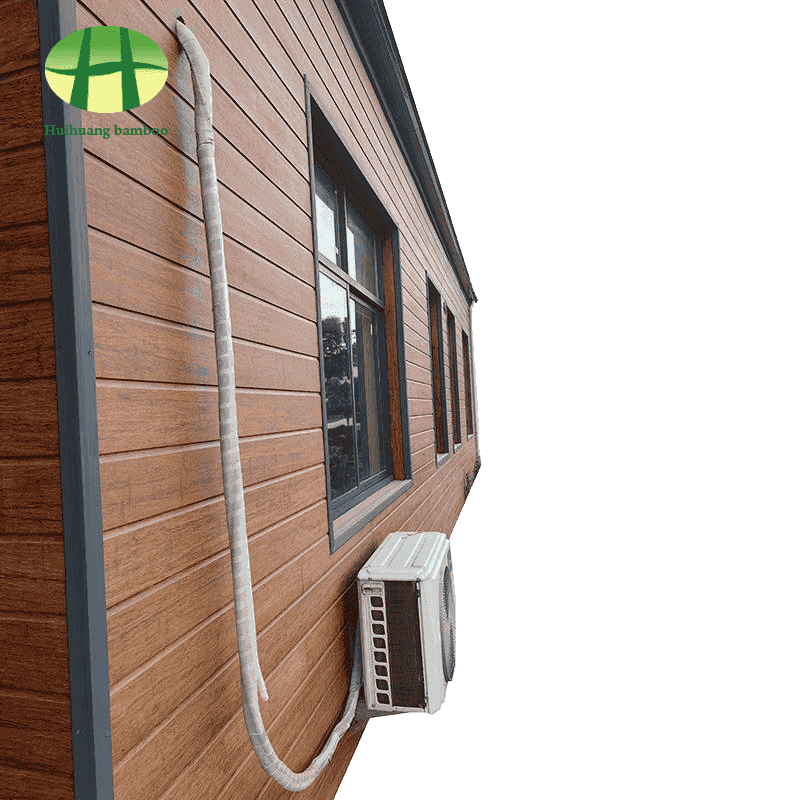
It disperses wind force and has stronger resistance to lateral wind pressure. The horizontal joints divert rainwater faster and are not prone to water accumulation. It has a larger expansion space and a lower risk of joint deformation.

Product parameters

1860/2200*140*20

contact us
  • Product description
  • Applications
  • About Us
  • Contact Us

    The Horizontal Outdoor Heavy Bamboo Wall Panels are high-density architectural cladding materials engineered through a strand-weaving process. This manufacturing technique involves compressing crushed bamboo fibers under extreme pressure and heat, combined with phenolic resins, to create a structural material that surpasses the density and hardness of most tropical hardwoods. Designed specifically for external vertical surfaces, these panels feature a horizontal grain orientation and a tongue-and-groove or shiplap interlocking system. This construction facilitates efficient moisture runoff and structural stability in diverse climatic conditions, providing a sustainable alternative to timber for modern building envelopes.

    Core Advantages

    • Structural Density: The strand-weaving process results in a density exceeding 1,200kg/m³, providing high impact resistance and mechanical strength.
    • Dimensional Stability: Low hygroscopic expansion and contraction rates minimize warping, cupping, or shrinking when exposed to fluctuating outdoor humidity and temperature.
    • Biological Resistance: The high heat treatment (carbonization) removes natural sugars and starches from the bamboo fibers, rendering the panels resistant to fungal decay and termite infestation.
    • Carbon Sequestration: As a rapidly renewable resource, these bamboo panels serve as a carbon-negative cladding solution for green building certifications.

    Product Characteristics

    Parameter Technical Specification
    Material 100% Compressed Strand Woven Bamboo
    Hardness (Janka) > 3,500 lbf
    Moisture Content 8% - 12%
    Installation System Horizontal Clip or Hidden Fastener System
    Surface Treatment Outdoor Penetrating Oil / UV-Resistant Coating
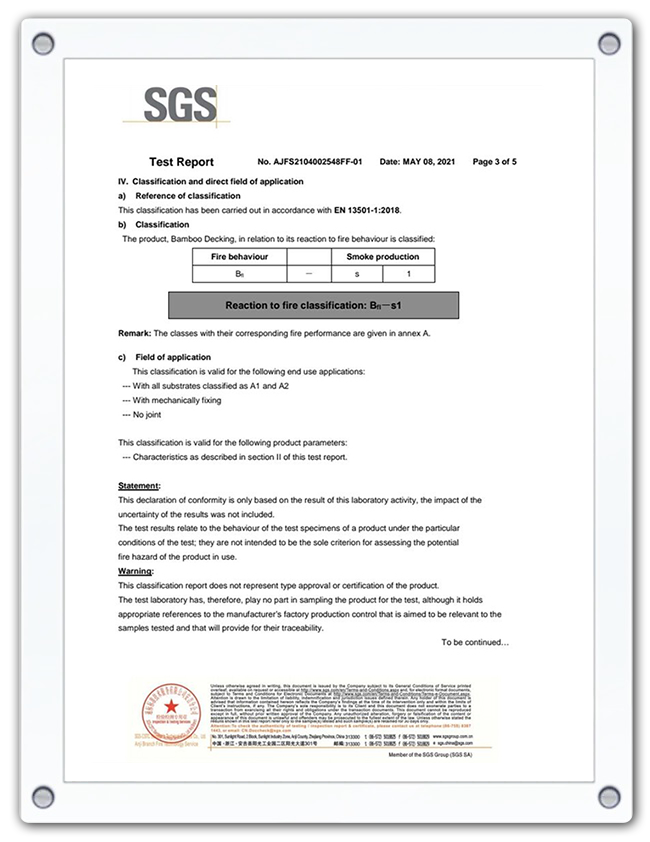
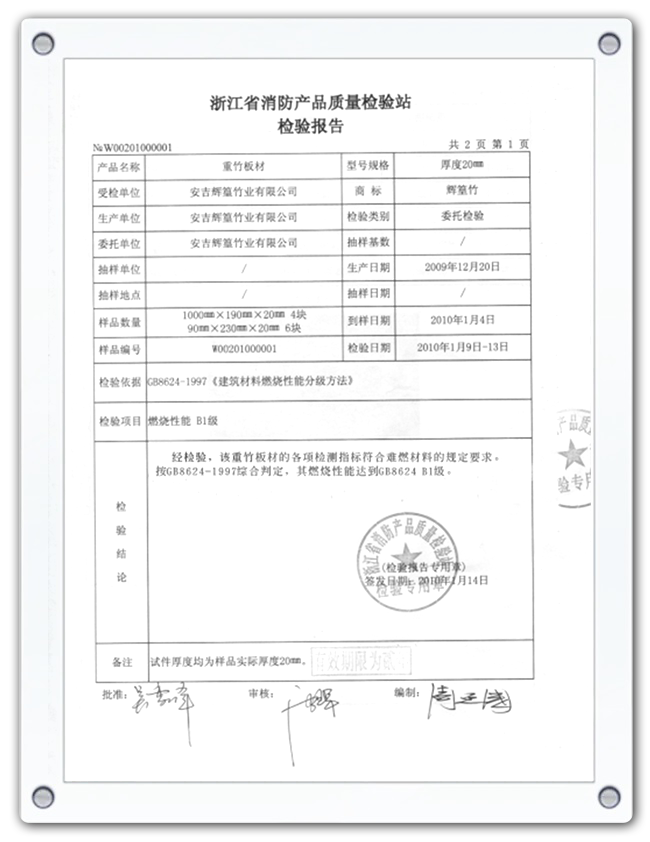
    Flame Retardancy Class B1 (EN 13501-1) or Class A (ASTM E84)

    Application Scenarios

    • Commercial Facades: Vertical cladding for office buildings, retail centers, and hotel exteriors requiring long-term durability.
    • Residential Exterior Walls: Aesthetic and functional wall covering for modern villas, garden fences, and courtyard enclosures.
    • Public Infrastructure: Weather-resistant surfacing for park pavilions, transit stations, and outdoor educational facilities.
    • Coastal Architecture: Suitable for environments with high salt spray exposure due to the non-corrosive nature of processed bamboo.

    Storage and Installation Guidelines

    Storage Conditions

    • Horizontal Placement: Panels must be stored flat on a level surface with adequate support to prevent permanent bowing.
    • Environment: Keep in a dry, ventilated area protected from direct sunlight and precipitation prior to installation.
    • Acclimatization: Allow the panels to sit at the installation site for at least 48 to 72 hours to adjust to local equilibrium moisture content.

    Installation and Maintenance Tips

    • Ventilation Gap: A minimum air space of 20mm must be maintained behind the panels to allow for rear-side ventilation and moisture evaporation.
    • End Sealing: Apply a specialized wax or oil-based sealer to any cut ends to prevent rapid moisture absorption through the fiber cross-section.
    • Periodic Re-Oiling: Depending on UV exposure, a maintenance coat of outdoor-grade oil should be applied every 12 to 24 months to preserve the color density and surface integrity.
Certificate Of Honor
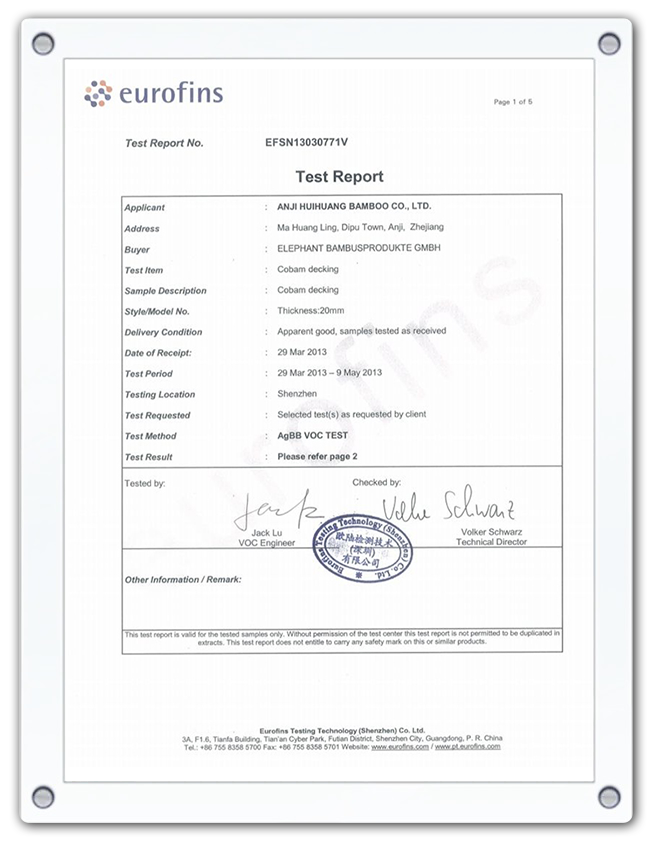
  • Eurofins
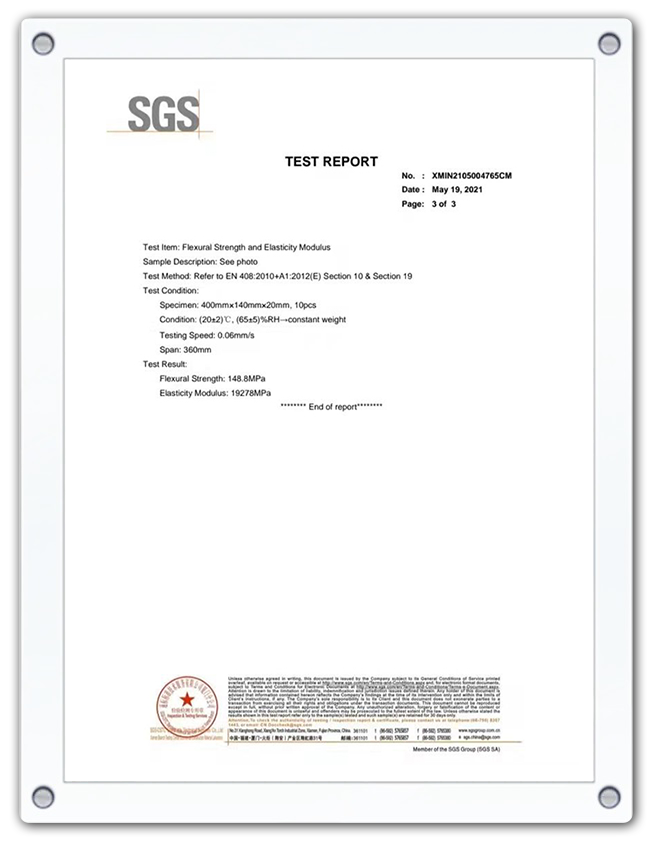
  • Flexural Strength And Elasticity Modulus
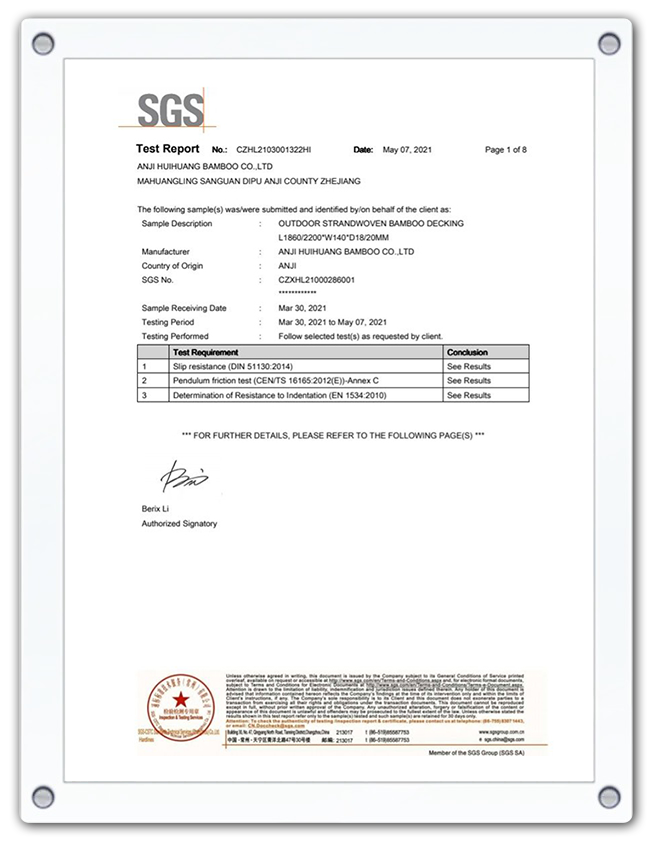
  • Slip Resistance
  • Fire Resistant
  • Floor Fire Test Report
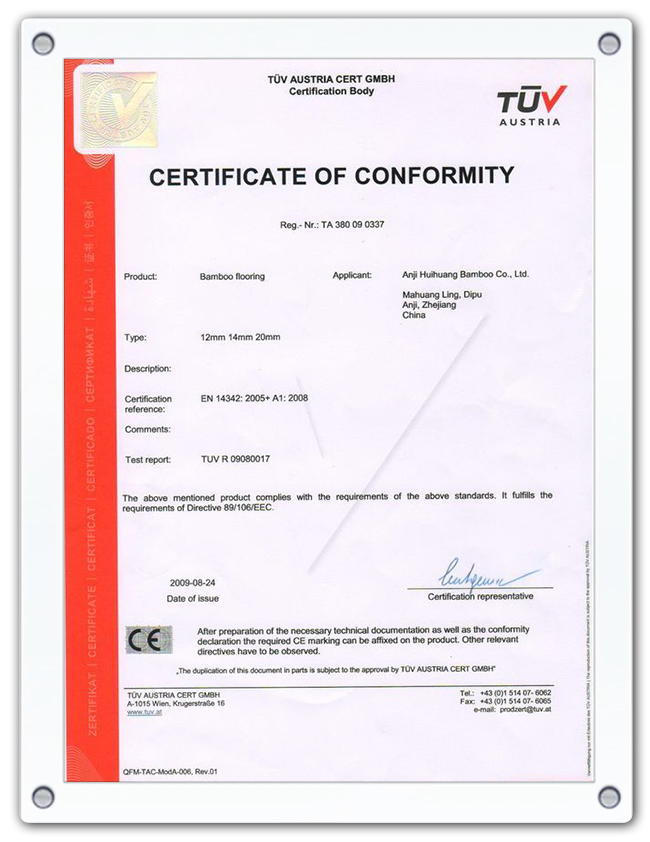
  • CE Certificate
  • Decking Inspection Report
Latest News
Message Feedback