Carbonized Outdoor Strand Woven Bamboo Wall Panels for Modern Architecture
Our Products
Home / Products / Outdoor Strandwoven Bamboo Wall Panels / Special Craft For Outdoor Heavy Bamboo Wall Panels / Carbonized Outdoor Strand Woven Bamboo Wall Panels for Modern Architecture

Carbonized Outdoor Strand Woven Bamboo Wall Panels for Modern Architecture

Carbonized Outdoor Strand Woven Bamboo Wall Panels for Modern Architecture

Product Details

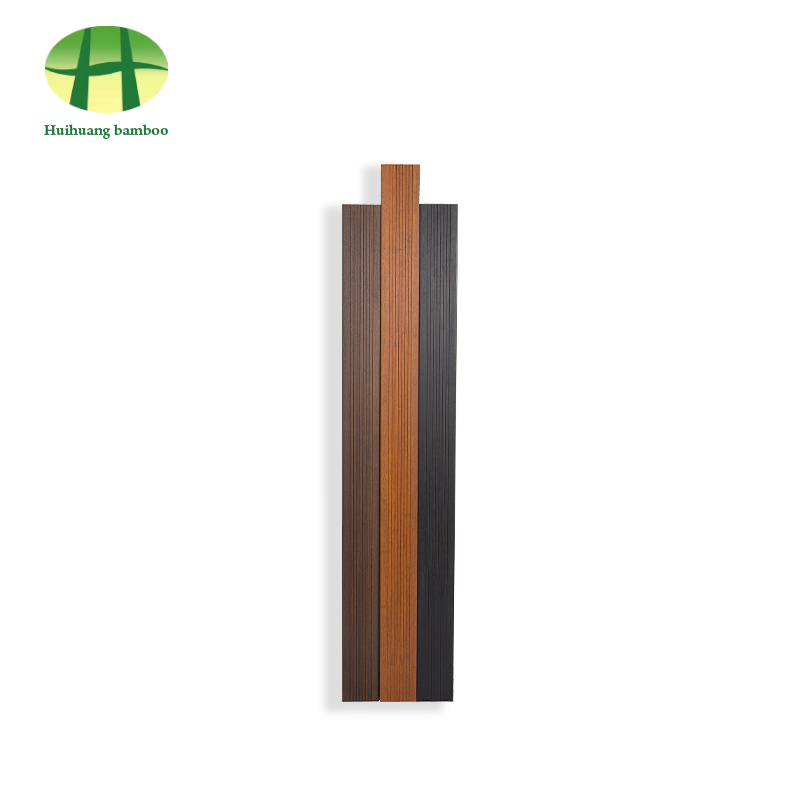
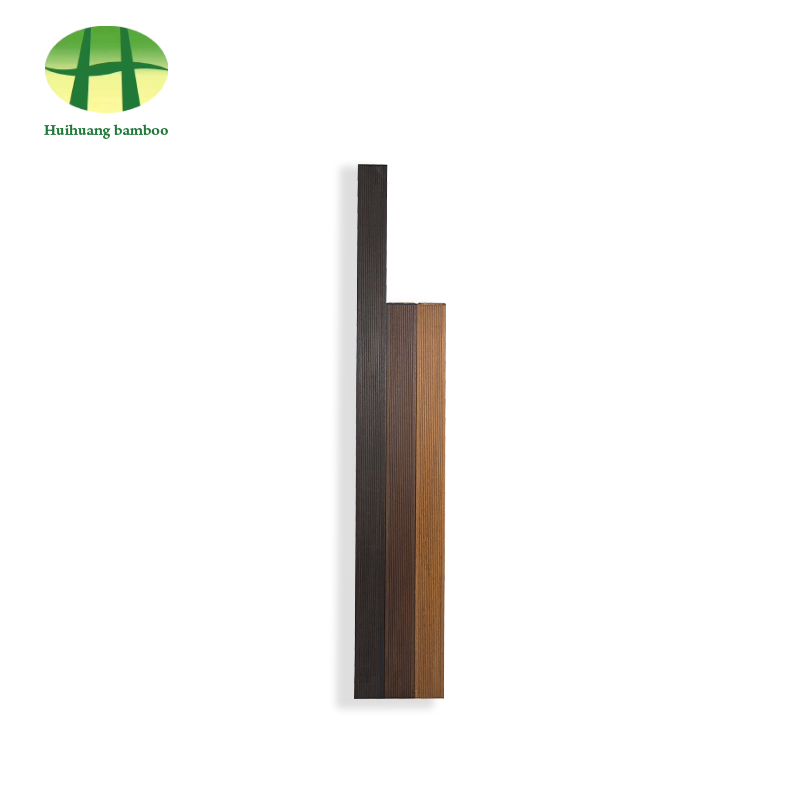
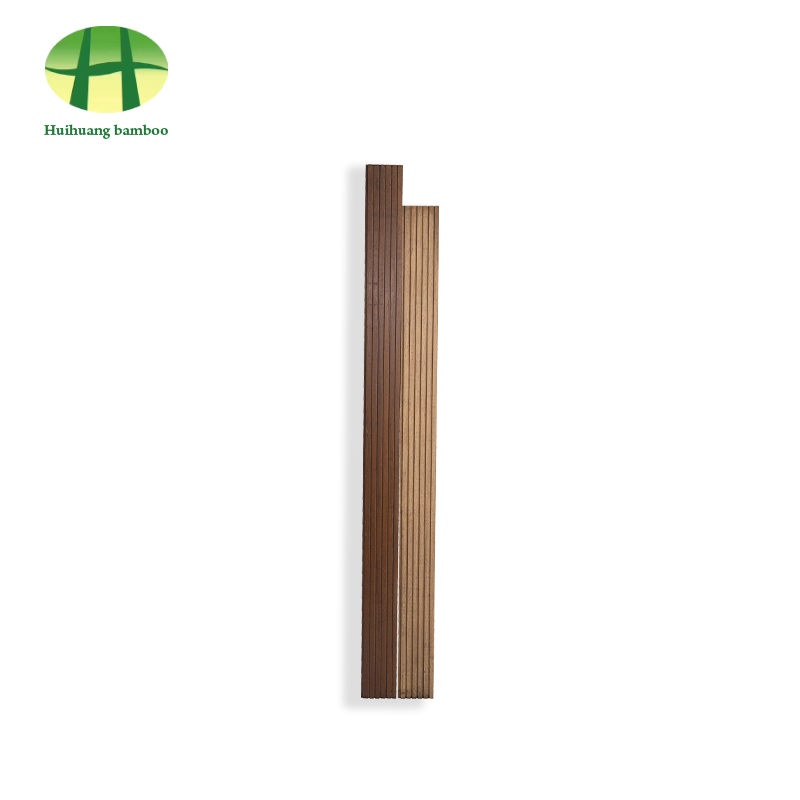
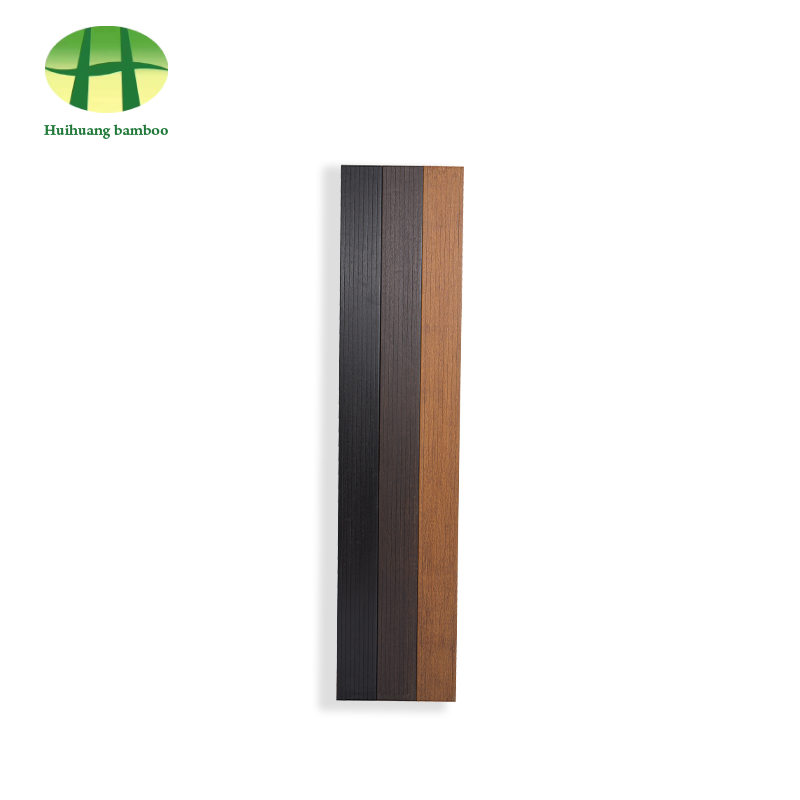
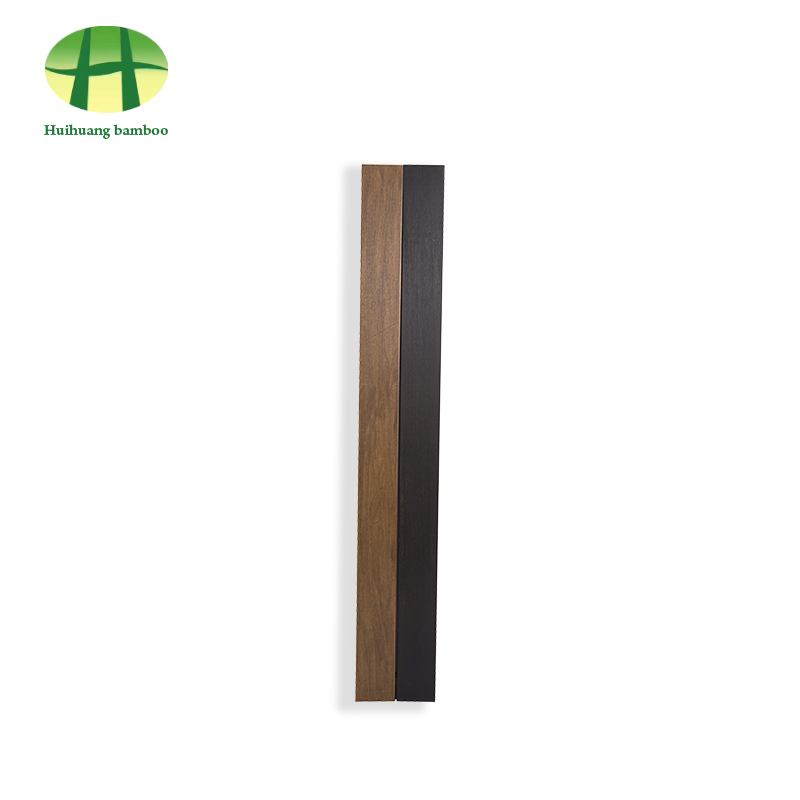
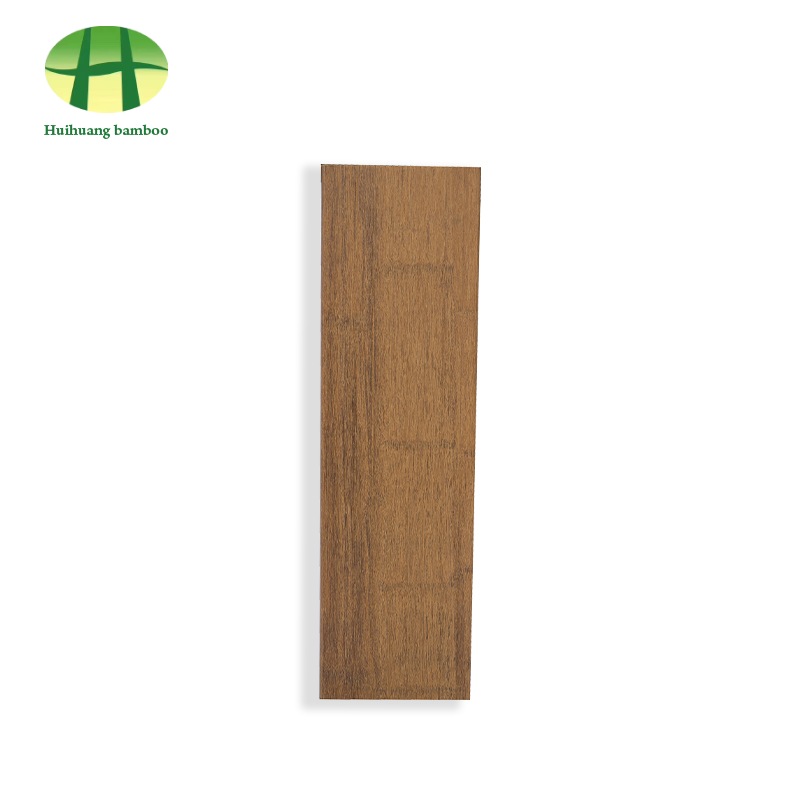
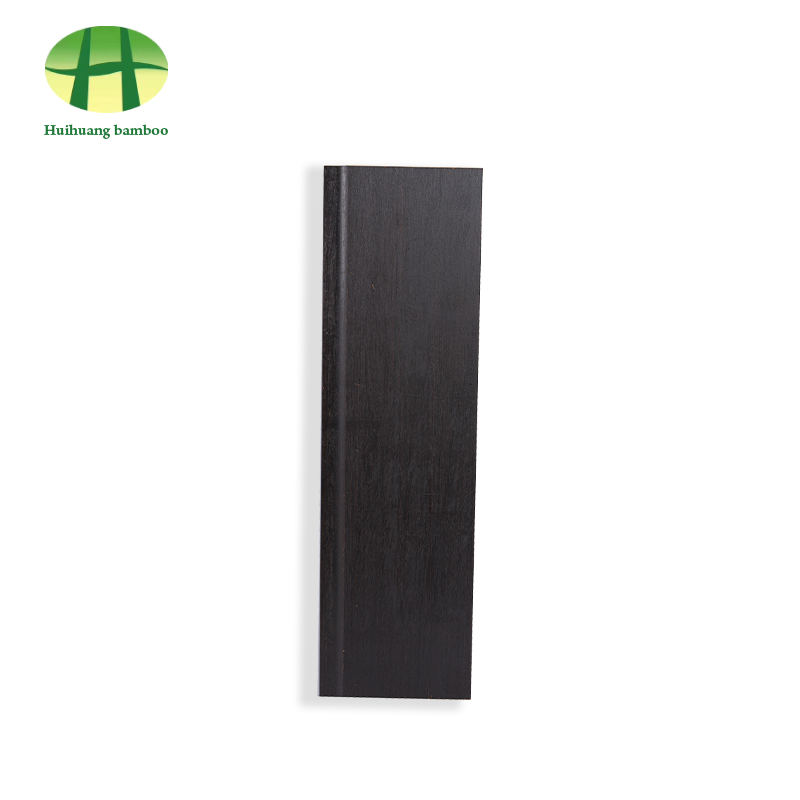
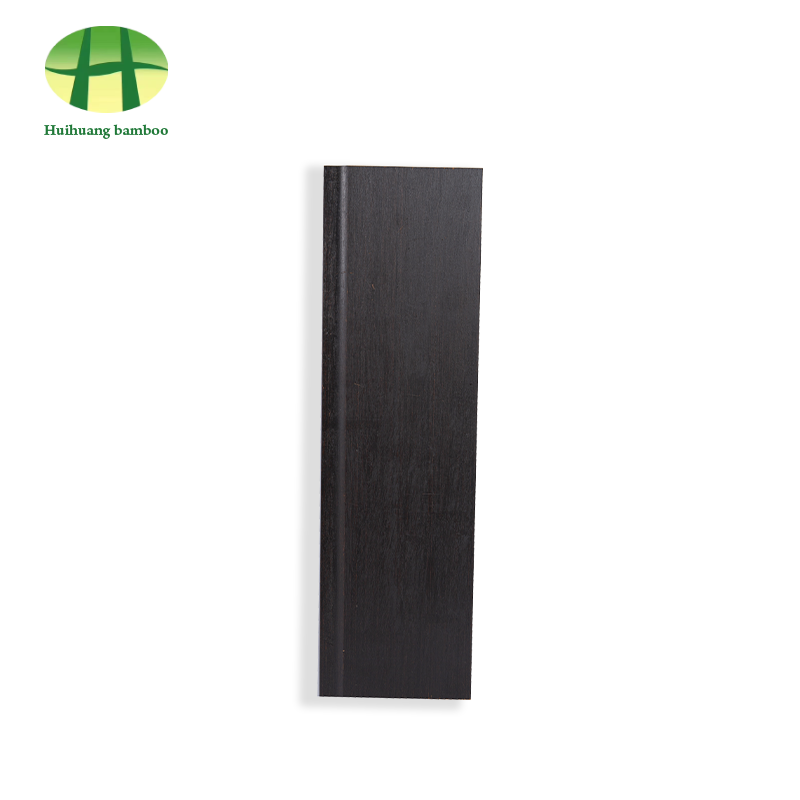
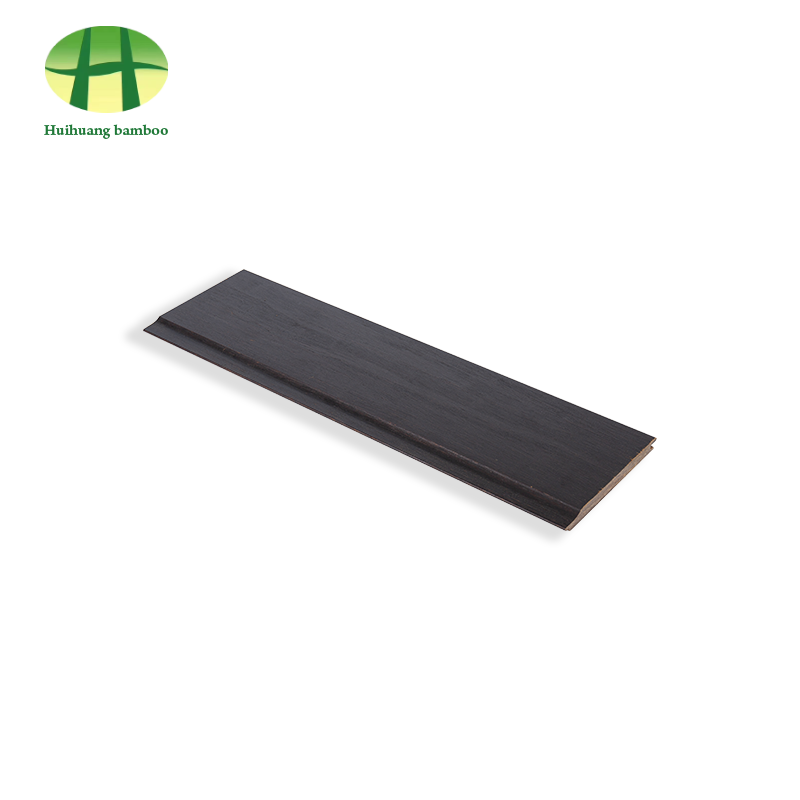
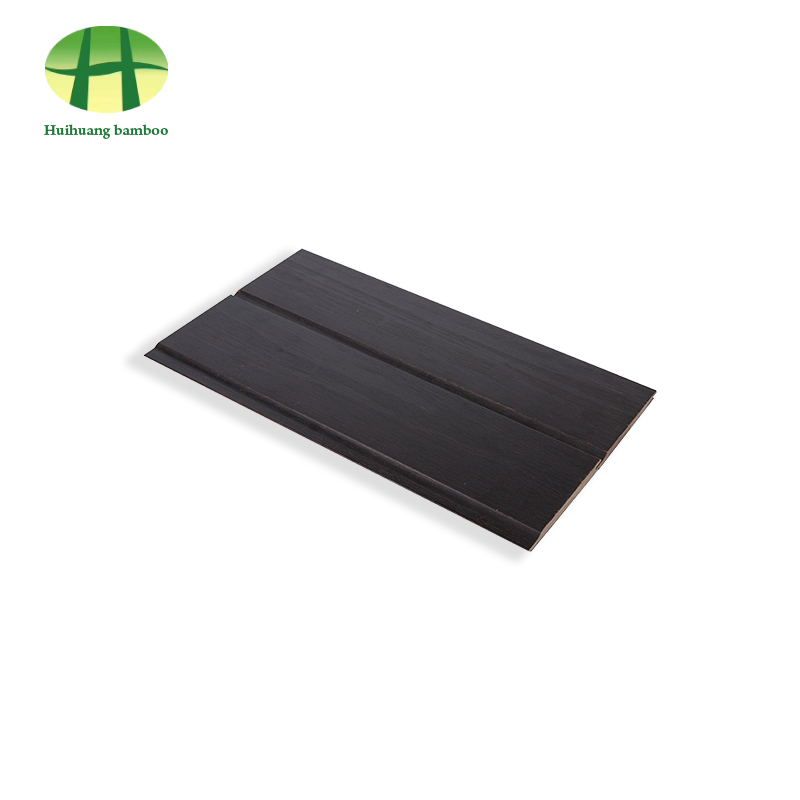
Through high-temperature carbonization treatment, the color of bamboo becomes darker, showing coffee color or dark brown, and the texture is more stable. The carbonization process enhances the moisture-proof and anti-corrosion properties of bamboo, prolongs its service life, is highly aesthetic, and is suitable for modern style.

Product parameters

1860/2200*140*20

contact us
  • Product description
  • Applications
  • About Us
  • Contact Us
    Carbonized · Exterior Strand Woven Weatherproof
    FSC CE SGS
    Wall Cladding Series
    Carbonized Outdoor Strand Woven Bamboo Wall Panels
    for Modern Architecture
    1.15-1.25 g/cm³ Density
    ≥3,000 lbf Janka Hardness
    Carbonized Color Deep Amber-Brown
    Carbonized Outdoor Bamboo Wall Panels
    Product Overview
    Carbonized outdoor bamboo wall panels for modern architecture are engineered through strand woven technology with thermal carbonization at 180-200°C. The manufacturing process compresses bamboo fibers with phenolic resin under hydraulic pressure exceeding 1,200 tons, producing material density ranging from 1.15 g/cm³ to 1.25 g/cm³. The carbonization process removes organic sugars and starches from the bamboo structure, creating a deep amber-brown color that penetrates the entire board thickness. This thermal treatment reduces equilibrium moisture content to 8-12%, providing dimensional stability and resistance to decay organisms. The panels feature a subtle grain texture that enhances visual depth while maintaining surface durability. These wall panels are specifically designed for contemporary architectural projects including commercial facades, residential exteriors, and institutional buildings where aesthetic warmth and technical performance are required.
    1.15 g/cm³ Min Density
    1.25 g/cm³ Max Density
    3,000+ lbf Hardness
    180-200 °C Carbonization
    Core Advantages
    01
    Carbonized Durability
    Thermal treatment at 180-200°C removes organic compounds and reduces moisture content to 8-12%, providing resistance to decay organisms and dimensional movement in exterior environments.
    02
    Deep Amber-Brown Aesthetic
    Carbonization produces a rich, uniform color that penetrates the full board thickness. The deep amber-brown hue provides architectural warmth and visual depth without artificial staining.
    03
    High Density Strength
    Material density of 1.15-1.25 g/cm³ and Janka hardness exceeding 3,000 lbf provide resistance to mechanical impact and surface wear in high-traffic exterior applications.
    04
    Weather Resistant Construction
    Strand woven bamboo with phenolic resin saturation provides resistance to moisture absorption, UV degradation, and freeze-thaw cycles in diverse climatic conditions.
    Surface detail
    Carbonized surface texture
    Technical Specifications
    ConstructionStrand woven bamboo with phenolic resin
    Density1.15 - 1.25 g/cm³ (EN 323)
    Janka Hardness≥ 3,000 lbf (ASTM D1037)
    ColorCarbonized deep amber-brown
    Carbonization Temperature180 - 200°C
    Moisture Content8% - 12% at factory
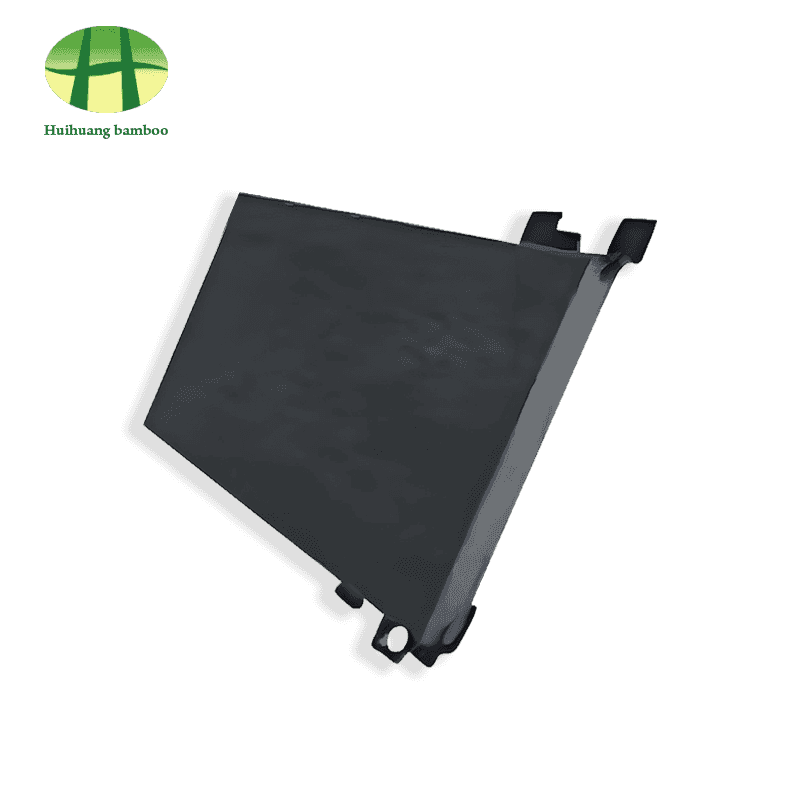
    Installation SystemHidden clip or face screw
    Application Scenarios
    Commercial building facades and storefronts
    Residential exterior wall cladding
    Architectural feature walls and screens
    Hotel and resort exterior surfaces
    Institutional and educational buildings
    Urban landscape and park structures
    ? Frequently Asked Questions
    01 How does carbonization affect the color and durability of bamboo wall panels? +
    Carbonization at 180-200°C transforms the natural bamboo color into a deep amber-brown that penetrates the full board thickness. This thermal treatment removes organic compounds that attract decay organisms, providing natural resistance to fungal growth and insect attack. The carbonization also reduces equilibrium moisture content to 8-12%, limiting dimensional movement and warping in exterior environments. The resulting color is uniform and does not fade or wear off with surface abrasion, making it suitable for long-term architectural applications.
    02 Are these wall panels suitable for coastal or high-humidity environments? +
    Yes, the wall panels are suitable for coastal and high-humidity environments. The strand woven construction with phenolic resin saturation provides resistance to moisture absorption, limiting water penetration in humid conditions. The carbonized structure reduces equilibrium moisture content, minimizing dimensional movement. Stainless steel grade 316 fasteners are recommended for coastal installations to prevent galvanic corrosion. A ventilated rainscreen system with minimum 20mm air gap should be installed to allow moisture evaporation and drainage.
    03 What installation system is recommended for carbonized bamboo wall panels? +
    Two installation systems are available. The hidden clip system uses stainless steel clips that attach to the panel's groove, providing a seamless appearance without visible fasteners. The face screw method uses stainless steel screws through pre-drilled countersunk holes for applications where visible fasteners are acceptable. Both methods require a ventilated rainscreen system with minimum 20mm air gap between panels and the structural wall. Horizontal and vertical movement joints should be placed every 8 meters for thermal expansion. Pre-drilling is required for all fastener locations.
    04 What maintenance is required for carbonized bamboo wall cladding? +
    Annual cleaning with a soft-bristle brush and mild detergent removes surface deposits. Pressure washing at 5-7 MPa with 300mm standoff distance is permitted for deep cleaning. Inspect fastener heads and panel edges biannually for signs of loosening or moisture intrusion. Application of water-based outdoor oil every 2-3 years preserves surface appearance and water repellency. The carbonized color is inherent to the material and does not require color-specific maintenance. The deep amber-brown color will maintain its appearance with minimal fading compared to natural bamboo.
Certificate Of Honor
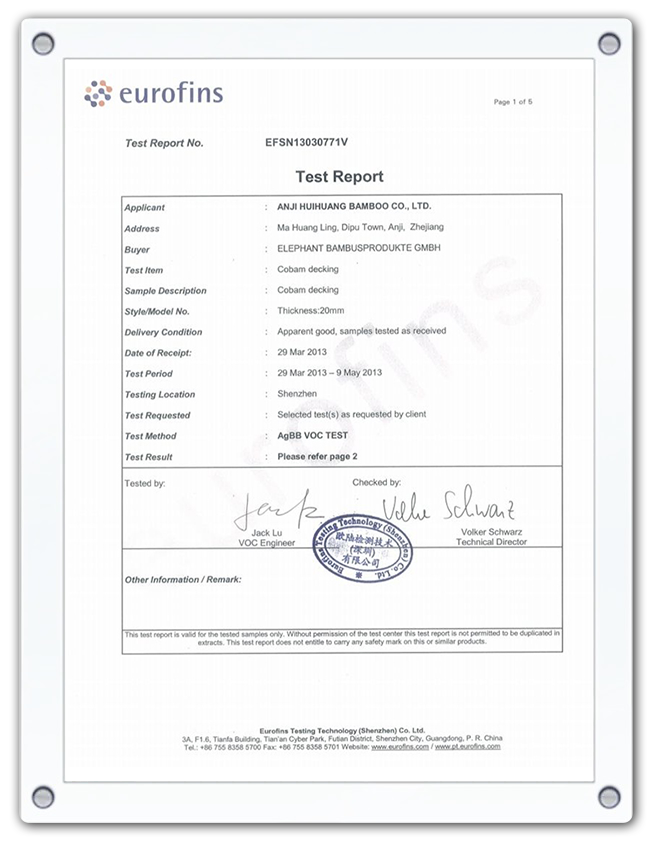
  • Eurofins
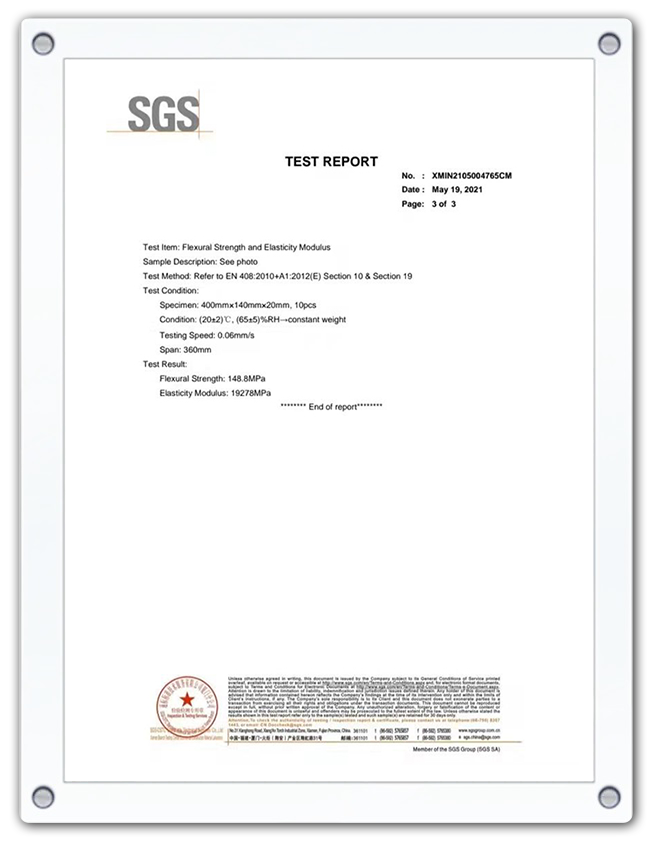
  • Flexural Strength And Elasticity Modulus
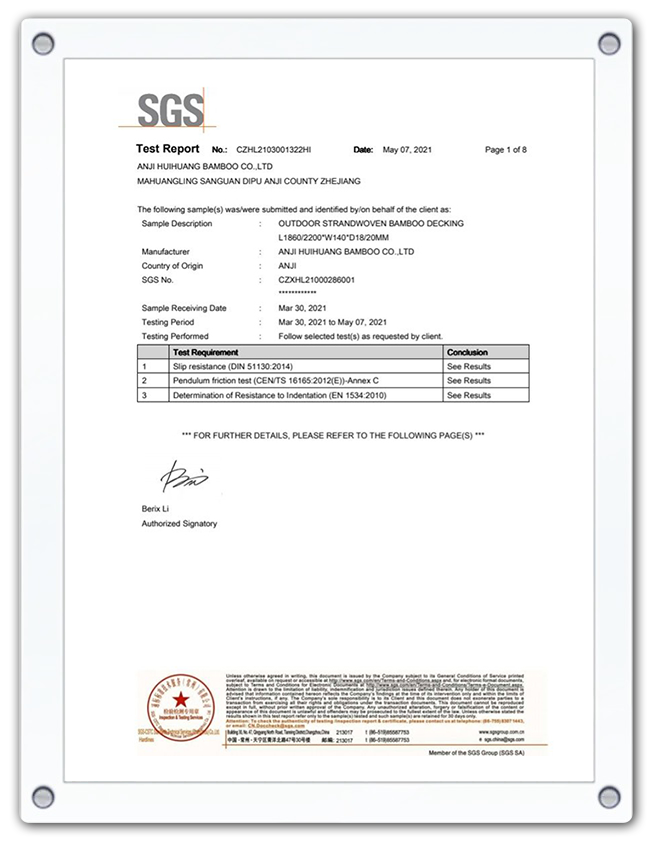
  • Slip Resistance
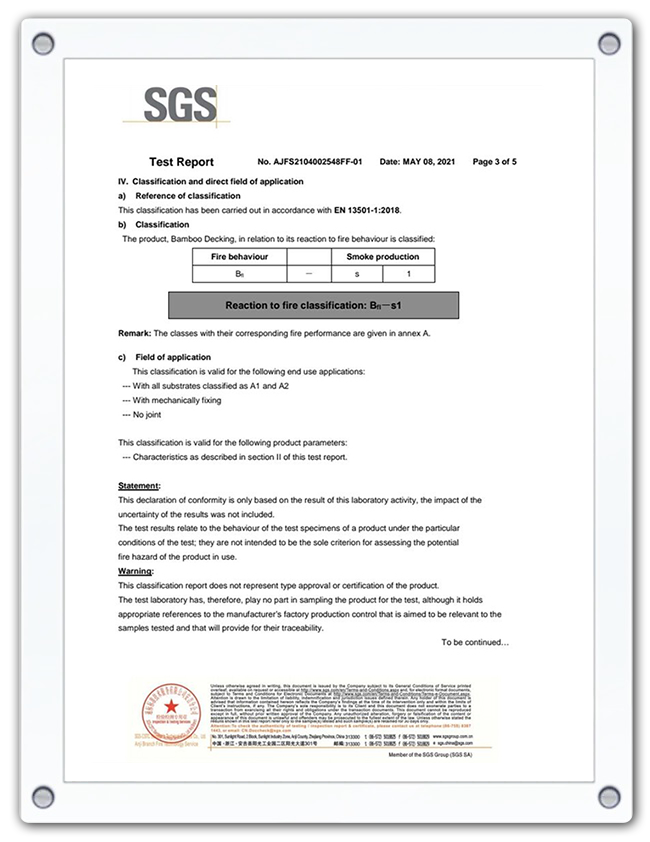
  • Fire Resistant
  • Floor Fire Test Report
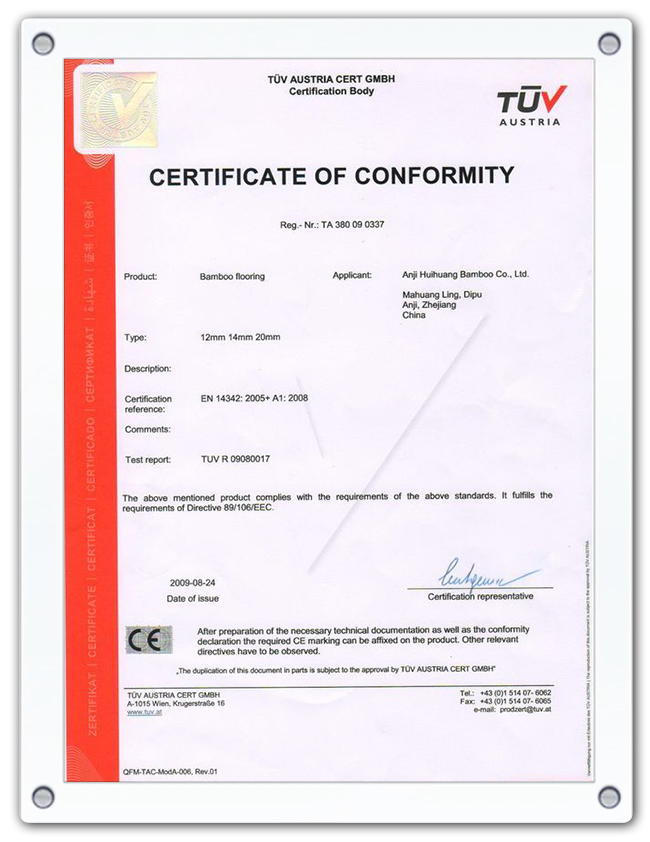
  • CE Certificate
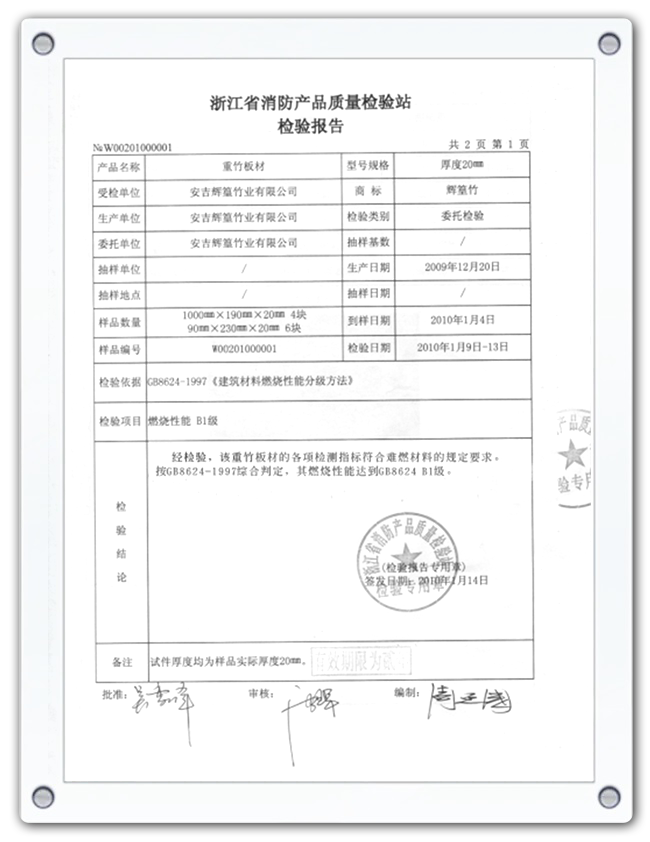
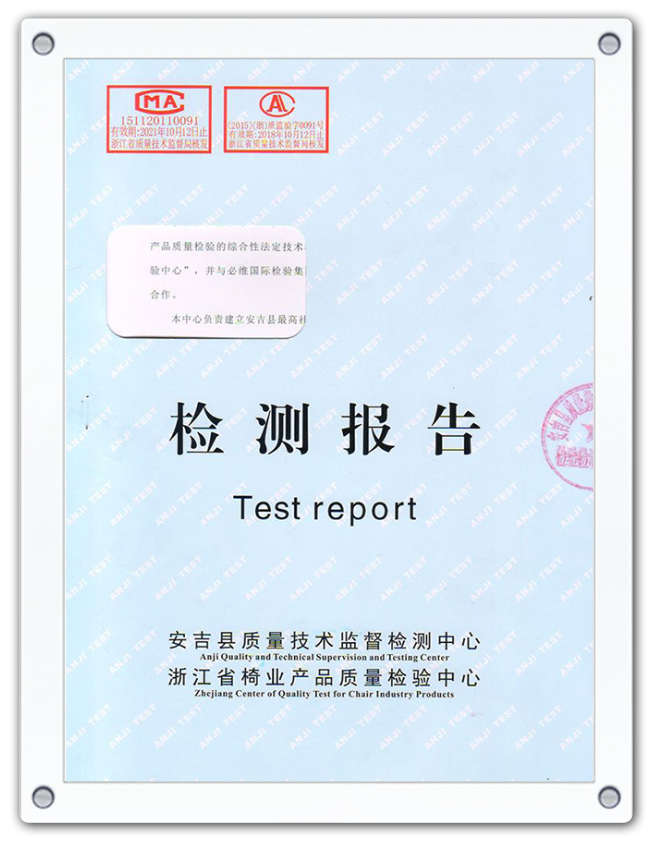
  • Decking Inspection Report
Latest News
Message Feedback