


 English
 Deutsch
Content
Stranded bamboo flooring is one of the hardest, most durable natural flooring materials available today — harder than most hardwoods, with a Janka hardness rating between 3,000 and 5,000 lbf depending on the manufacturing method. Yes, it can be refinished in most cases. Yes, it can be installed as a floating, glue-down, or nail-down floor. This guide covers everything you need to know: what it is, how it is made, whether it can be sanded and refinished, and a full installation walkthrough.
What Is Stranded Bamboo Flooring?
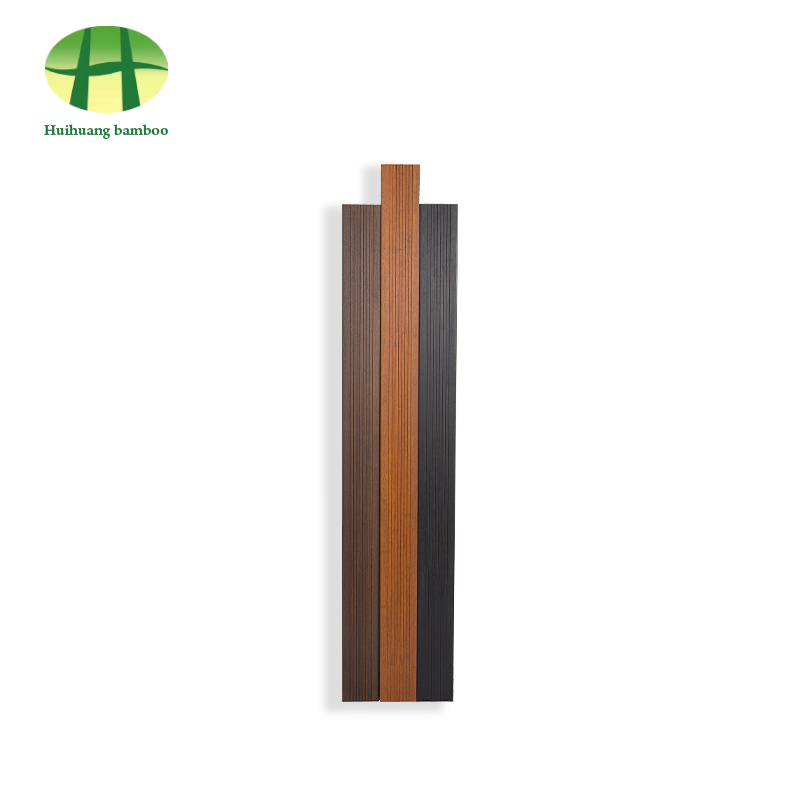
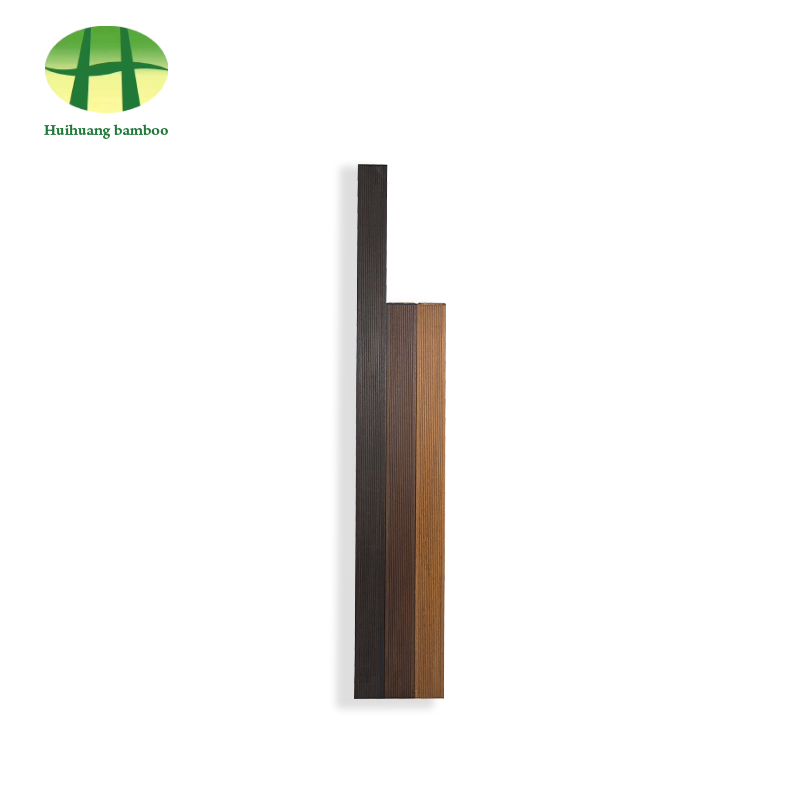
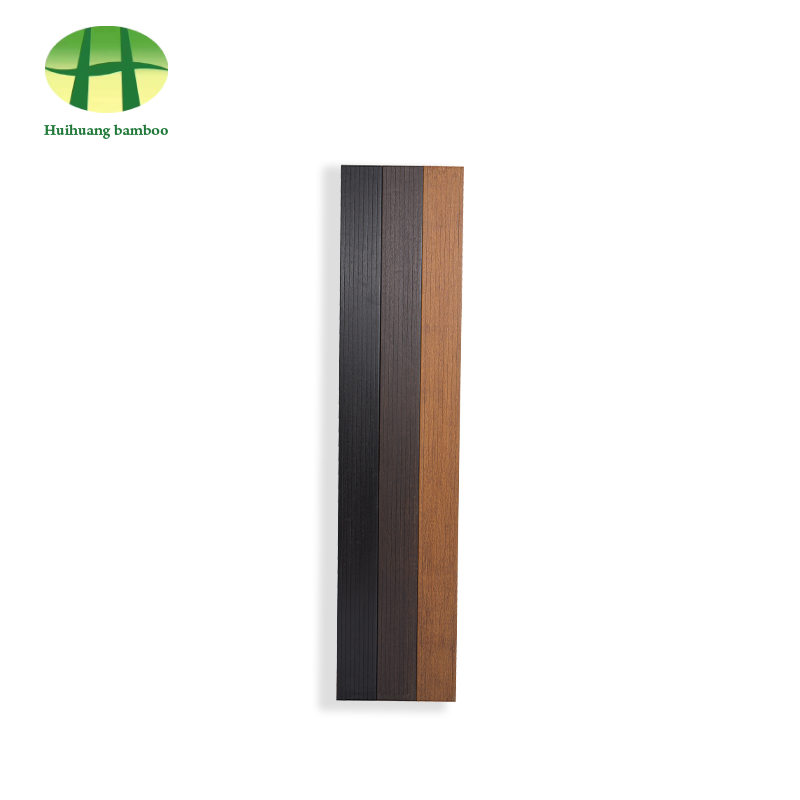
Stranded bamboo flooring, also called strand woven bamboo flooring, is an engineered natural flooring product made by shredding raw bamboo stalks into long fibrous strands, compressing them under extreme pressure with adhesive resin, and curing them into dense planks. The result is a material with a density of approximately 1,000–1,200 kg/m³ — roughly double that of traditional solid bamboo flooring and comparable to or exceeding many premium hardwoods.
Unlike traditional horizontal or vertical bamboo flooring — which simply slices bamboo culms into flat strips — stranded bamboo completely breaks down and reconstructs the fiber structure. This randomization of fibers in multiple directions is precisely why it achieves such high hardness values. For reference, Red Oak (a standard benchmark) scores 1,290 lbf on the Janka scale. Natural strand woven bamboo scores around 3,000 lbf, and carbonized versions still reach approximately 2,000–2,500 lbf.
| Material | Janka Hardness (lbf) | Density (kg/m³) | Renewable Source |
|---|---|---|---|
| Natural Strand Bamboo | 3,000 – 5,000 | 1,100 – 1,200 | Yes (5-year harvest) |
| Carbonized Strand Bamboo | 2,000 – 2,500 | 1,000 – 1,100 | Yes |
| Brazilian Teak (Cumaru) | 3,540 | 1,085 | No (slow-growth) |
| White Oak | 1,360 | 770 | No |
| Red Oak | 1,290 | 740 | No |
| Traditional Horizontal Bamboo | 900 – 1,300 | 600 – 700 | Yes |
How Is Stranded Bamboo Flooring Made?
The manufacturing of stranded bamboo flooring is more intensive than conventional wood flooring production. Each stage critically affects the final product's hardness, stability, and off-gassing profile.
Bamboo Harvesting
Moso bamboo (Phyllostachys edulis) is the dominant species used, harvested at 4–6 years of age when fiber density peaks. Younger bamboo has insufficient silica content; older bamboo becomes brittle. Stalks are cross-cut into manageable lengths immediately after harvest.
Outer Node Removal and Splitting
The hard outer skin and inner pith are removed. The remaining culm wall is split into strips, then mechanically shredded — not sliced — into irregular fibrous strands typically 30–60 cm long and 2–5 mm wide. This random fiber orientation is the foundation of strand woven's superior strength.
Drying and Moisture Control
Shredded strands are dried in kilns to a moisture content of 8–12%. Inconsistent drying at this stage is a primary cause of post-installation warping. Reputable manufacturers maintain MC tolerances within ±1% using humidity-controlled chambers.
Resin Impregnation
Dried strands are submerged in or sprayed with adhesive resin — typically urea-formaldehyde (UF) or phenol-formaldehyde (PF), with some manufacturers now offering low-emission MDI (methylene diphenyl diisocyanate) variants. PF resins produce lower formaldehyde emissions and higher moisture resistance than UF. CARB Phase 2 and E1/E0 certification limits are the benchmarks to verify.
Cold or Hot Pressing
Impregnated strands are formed into billets and pressed under 2,500–4,000 psi (17–28 MPa) at temperatures between 150°C and 200°C. Press time is typically 15–40 minutes depending on billet thickness. This extreme compression is what achieves the material's signature hardness. Cold-pressed variants exist but are significantly less dense.
Milling, Finishing, and Coating
Cured billets are precision-milled into planks using CNC equipment, then tongue-and-grooved for click or glue installation. Surface finishing involves multiple coats of aluminum oxide-infused UV-cured urethane lacquer — typically 6–9 layers — providing an abrasion resistance rated AC3 to AC4 in most commercial-grade products.
Can Strand Bamboo Flooring Be Refinished?
Most solid stranded bamboo flooring can be refinished — but with important conditions. The key factor is wear layer thickness, not hardness. Because strand woven bamboo is extremely hard, conventional drum sanders struggle with it. Belt speed, grit sequence, and tool quality all matter more than with softwood floors.
- Solid strand bamboo planks 9mm or thicker with a structural wear layer of at least 3–4mm above the tongue
- Glue-down or nail-down installations (floating floors move under sanding pressure)
- Damage limited to surface scratches, stains, or finish wear — not structural compression
- Products without engineered HDF cores beneath a thin bamboo veneer
- Engineered strand bamboo with a bamboo wear layer under 3mm (common in budget products)
- Click-lock floating installations — sanding vibration separates joints
- Floors with structural moisture damage — swelling compromises the substrate
- Products with aluminum oxide finishes applied to a veneer layer under 2mm thick
Practical Refinishing Process for Strand Bamboo
Because strand bamboo resists abrasion (that is its virtue), refinishing requires more aggressive equipment and longer sanding time than hardwood. Here is what a professional process looks like:
A typical solid strand bamboo floor 14mm thick can be refinished 2–3 times over its lifespan before the wear layer becomes too thin — giving it a total functional life of 40–60 years when properly maintained.
How to Install Stranded Bamboo Flooring
Stranded bamboo flooring can be installed in three ways: floating (click-lock), glue-down, or nail/staple-down. The right method depends on the subfloor type, the product specification, and whether the floor is above, on, or below grade.
| Method | Best Subfloor | Grade Level | Refinishable After? | Difficulty |
|---|---|---|---|---|
| Floating (click-lock) | Concrete, plywood, existing floor | Above / On | No | DIY-friendly |
| Full Spread Glue-Down | Concrete slab | Above / On / Below | Yes | Moderate |
| Nail / Staple-Down | Plywood min. 19mm | Above / On | Yes | Moderate |
Pre-Installation: Acclimation and Subfloor Prep
Acclimation is non-negotiable for strand bamboo. Stack planks in the installation room — cross-stacked for air circulation — for a minimum of 72 hours, ideally 5–7 days in climates with relative humidity below 40% or above 70%. Target room conditions: 60–80°F (16–27°C) and 35–65% RH. These are also the long-term recommended operating conditions for the floor.
Subfloor flatness tolerance is strict: no more than 3mm variation over a 1.8m (6 ft) span for glue-down, and 5mm for floating. Grind high spots with a belt sander or angle grinder; fill low spots with self-leveling compound. Concrete subfloors must test below 3 lbs per 1,000 sq ft per 24 hours (ASTM F1869 calcium chloride test) or below 75% RH (ASTM F2170 in-situ probe) before any bamboo installation proceeds.
Floating Installation: Step-by-Step
Roll out a 3mm foam or combination foam/vapor-barrier underlayment, overlapping seams by 150mm and taping with moisture-barrier tape. Do not double-layer underlayment — excess compression under foot traffic creates click-joint failures over time.
Start along the longest, straightest wall. Place 8–10mm spacers against all walls, door frames, pipes, and fixed cabinets. This expansion gap is critical — strand bamboo can expand up to 1mm per meter width with humidity changes, and insufficient gap causes buckling within 12–18 months in variable climates.
Lay the first row tongue-side facing the wall. For the second and subsequent rows, angle the tongue of the new plank into the groove of the previous row at approximately 30°, then press down to engage the click lock. Use a tapping block — never a standard hammer directly on the plank edge — to avoid damaging the aluminum oxide surface.
Stagger end joints by a minimum of 300mm (12 inches) between adjacent rows. Random stagger patterns are visually superior to regular offsets and also distribute load more evenly across the click joints.
For the final row, measure and rip planks to width using a circular saw or table saw with a fine-tooth carbide blade (minimum 80 teeth for clean cuts in strand bamboo — standard blades deflect on the silica-rich fiber). Remove all spacers and install baseboards or quarter-round moldings to cover the expansion gap without fastening through the floor.
Glue-Down Installation: Key Differences
Use a urethane-based flooring adhesive — specifically one rated for bamboo, not generic hardwood adhesive. Apply with a 1/16" x 1/32" V-notch trowel at a spread rate of approximately 5–6 sq ft per pound of adhesive. Work in sections no wider than you can lay in 30 minutes to avoid skin-over. Roll the entire floor with a 50–75 kg (100–150 lb) floor roller within 2 hours of laying to ensure full adhesive transfer. Keep off the floor for a minimum of 24 hours.
Maintenance to Protect Your Investment
Even with its exceptional hardness, strand bamboo is not impervious. The most common damage source is not abrasion — it is moisture infiltration at seams and edges. Following these practices will preserve the floor's condition and refinishability:
- Maintain indoor RH between 40–65% year-round using a humidifier or dehumidifier as needed
- Wipe spills immediately — do not allow standing water, especially near seams or walls
- Use felt pads under all furniture legs; replace every 6–12 months as they compress
- Dry-mop or vacuum weekly; damp-mop monthly using a pH-neutral bamboo floor cleaner, wrung to near-dry
- Do not use steam mops, ammonia-based cleaners, or wax polishes — all damage the factory finish
- Place mats at all exterior doorways to trap grit — quartz sand particles at 7 on the Mohs hardness scale will scratch even strand bamboo over time
 View More

 +86-572-5215066 5216895
 office@hh-bamboo.com
 East Side of Huanggang RD,Ningdun County, Ningguo ,Xuancheng City,Anhui Province,China.