


 English
 Deutsch
Content
- 1 Is Stranded Bamboo Flooring Durable?
- 2 Is Stranded Bamboo Flooring Waterproof?
- 3 Is Stranded Bamboo Flooring Good? A Full Assessment
- 4 Stranded Bamboo vs Other Flooring Types
- 5 Installation: What to Get Right Before You Lay a Single Board
- 6 Long-Term Care and Maintenance
- 7 Questions Buyers Ask Most Often
Stranded bamboo flooring is one of the most durable, hard-wearing floor materials available — harder than most hardwoods, including oak and maple. It is not fully waterproof but handles moisture far better than solid wood. Overall, it is an excellent choice for high-traffic residential and light commercial spaces, offering a compelling mix of strength, sustainability, and aesthetics when properly installed and maintained.
Is Stranded Bamboo Flooring Durable?
Stranded bamboo flooring is exceptionally durable — and the data backs it up. The Janka hardness test, the industry-standard measure for floor hardness, shows standard carbonized strand bamboo at approximately 3,000–3,500 lbf, while natural (uncarbonized) strand bamboo reaches up to 5,000 lbf in some independent tests. For comparison:
This hardness translates directly to real-world resistance. Stranded bamboo floors handle rolling furniture, stiletto heels, pet claws, and heavy foot traffic with minimal surface scarring. Most manufacturers back their strand bamboo products with 25–30 year residential warranties, and independent lifetime assessments suggest a well-maintained floor can last 40–50 years.
What Makes Strand Bamboo So Hard?
Standard bamboo flooring is made by slicing bamboo stalks into strips. Stranded bamboo takes a fundamentally different approach: the raw bamboo fibers are shredded into strands, saturated with adhesive resin, then compressed under extreme pressure (typically 3,000–4,000 PSI) and heat. This process eliminates bamboo's natural weaknesses — the hollow nodes and weak growth rings — and produces a composite material denser and harder than the original plant.
The result is a board where the directional grain of natural bamboo has been replaced by an interlocking fiber structure with no preferential cleavage plane, meaning it resists splitting and denting from multiple angles rather than just along the grain.
Is Stranded Bamboo Flooring Waterproof?
This is one of the most common misconceptions about stranded bamboo. The honest answer: it is moisture-resistant, not waterproof. Understanding the distinction is critical to avoiding costly installation mistakes.
- Spills left for up to 24 hours on a finished surface
- Humidity fluctuations in temperate climates (35–65% RH)
- Kitchens and dining rooms with occasional water exposure
- Radiant underfloor heating systems (within manufacturer specs)
- High-traffic areas with general cleaning and damp mopping
- Direct outdoor installation without specific outdoor-rated boards
- Basement slabs with ground moisture vapor transmission
- Full bathrooms with shower overspray and standing water
- Prolonged flooding or significant water intrusion events
- Tropical environments with sustained humidity above 80% RH
The core material — even with resin saturation — remains a plant-based fiber composite that will expand when moisture penetrates the board edges or underside over time. The surface finish (typically aluminum oxide-reinforced UV lacquer at 4–7 coats) provides the primary waterproof barrier, not the bamboo itself. Once that finish is scratched through, moisture ingress accelerates substantially.
Moisture Performance by Room Type
| Room / Location | Suitability | Notes |
|---|---|---|
| Living Room | Excellent | Ideal application; low moisture risk |
| Kitchen | Good | Wipe spills promptly; use anti-fatigue mats at sink |
| Bedroom | Excellent | Low humidity area; great for allergen-free floors |
| Hallway / Entryway | Good | Use waterproof mats at entry; seasonal humidity swings manageable |
| Bathroom | Caution | Half-baths only; avoid shower/tub areas entirely |
| Basement | Not Recommended | Ground moisture vapor is a persistent risk; use LVP instead |
| Outdoor / Deck | Requires Outdoor Grade | Standard indoor boards not suitable; specify outdoor strand bamboo decking |
Is Stranded Bamboo Flooring Good? A Full Assessment
Across the core buying criteria that matter to homeowners and specifiers — hardness, sustainability, appearance, installation, and cost — stranded bamboo performs strongly, with a few important caveats to understand before purchase.
Top-tier among all flooring categories. Outperforms oak, maple, and most domestic hardwoods by a factor of 2–4x on the Janka scale. Ideal for families with pets and children.
Good moisture resistance from the surface finish, but not fully waterproof. Better than solid hardwood; not as capable as LVP or tile. Acclimatization and expansion gaps are essential.
Bamboo reaches harvest maturity in 4–7 years versus 30–80 years for hardwood timber. Moso bamboo, the species used in most flooring, sequesters approximately 5–12 tonnes of CO2 per hectare per year. FSC-certified products are widely available.
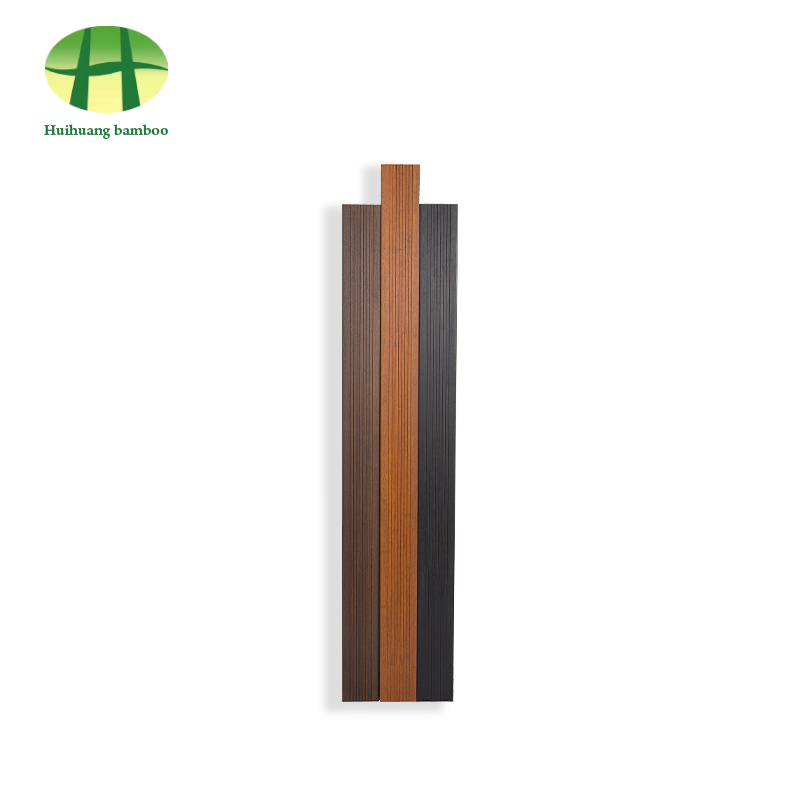
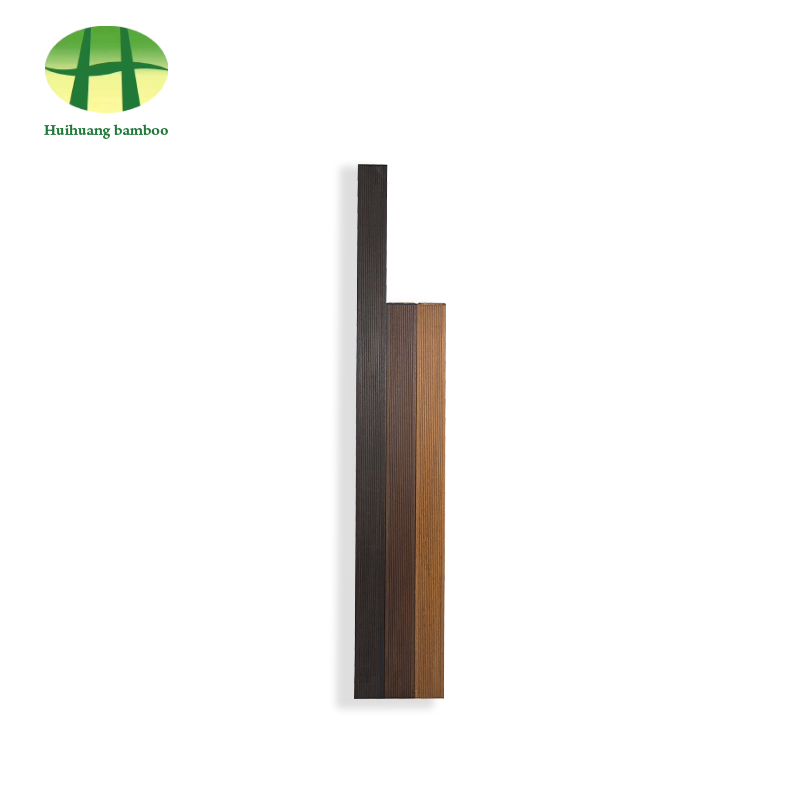
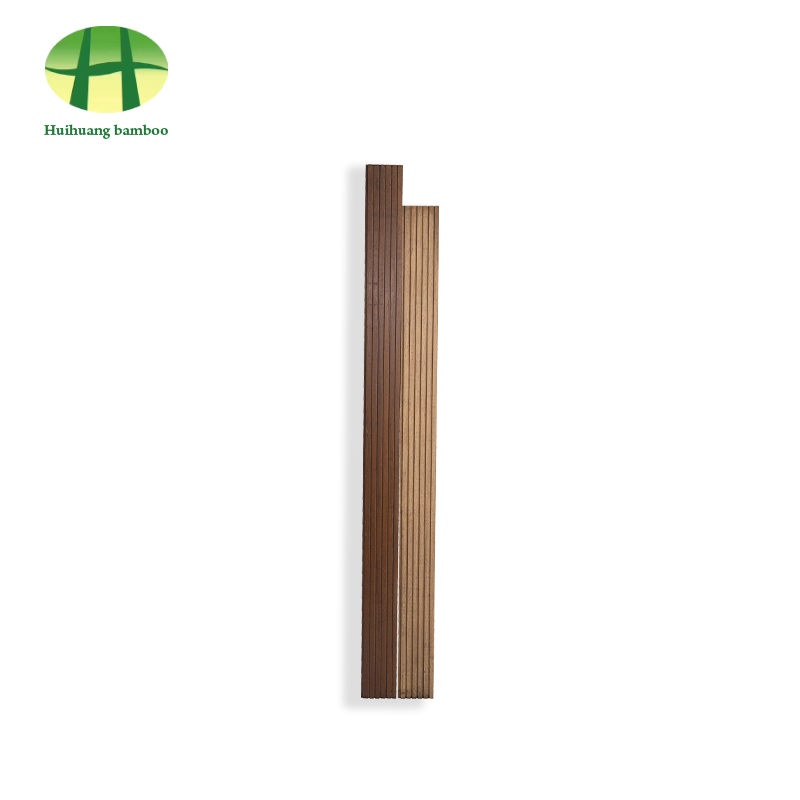
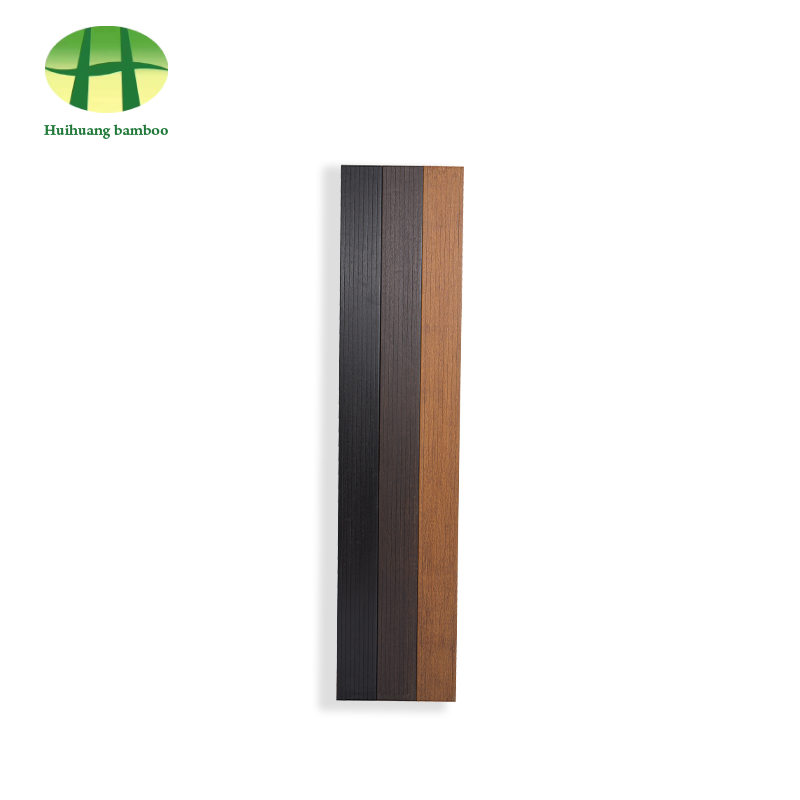
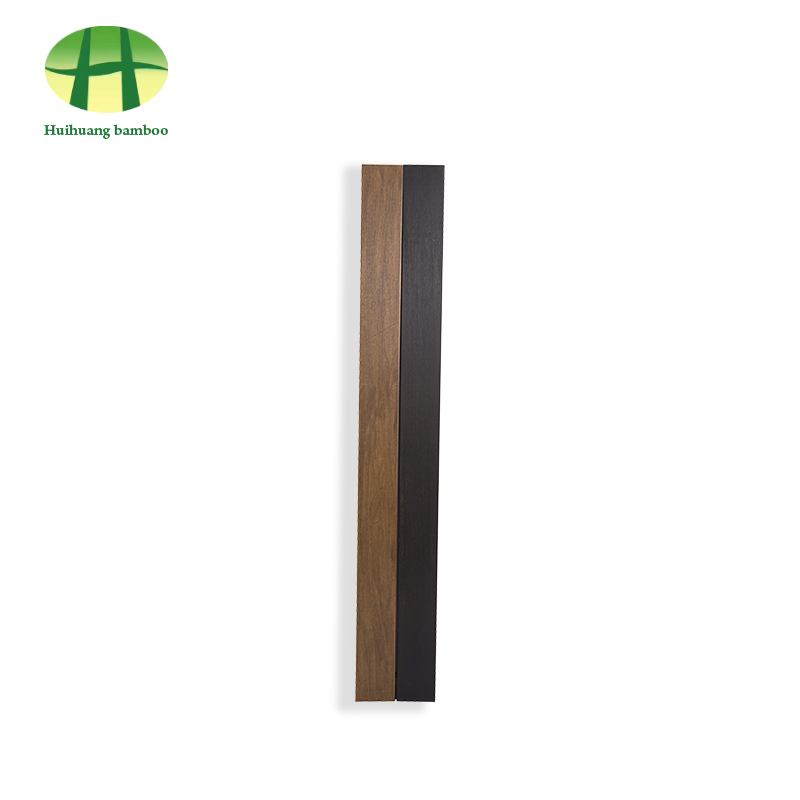
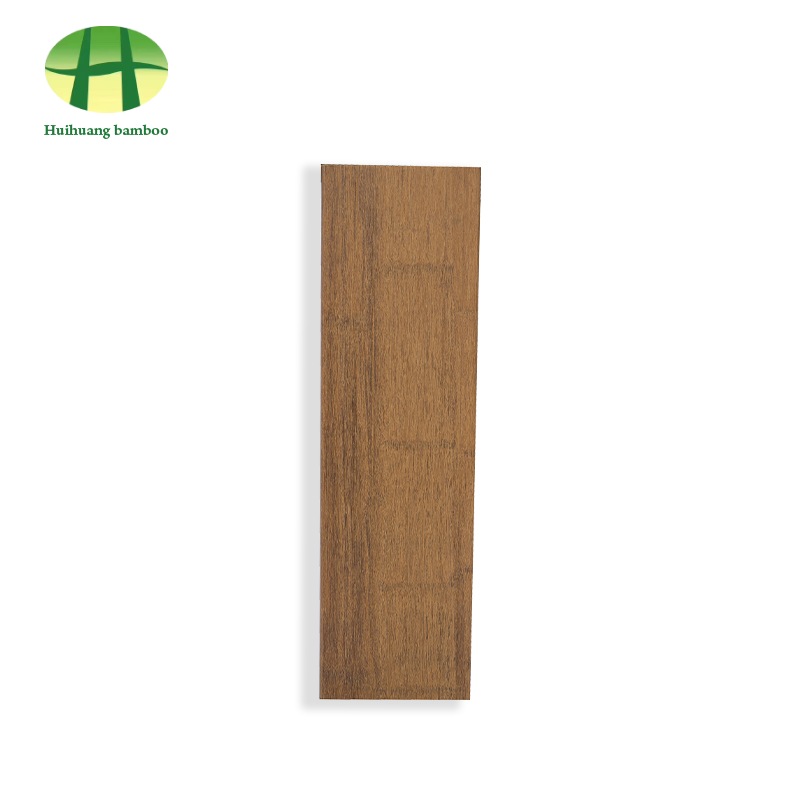
The stranding process creates a rich, variegated grain pattern quite different from traditional bamboo — closer in appearance to exotic hardwood. Available in natural (blonde), carbonized (warm brown), and tiger-grain finishes. Less color variety than LVP but more natural warmth.
Available in nail-down, glue-down, and click-lock floating formats. Its hardness is also a challenge — cutting requires carbide-tipped blades, and the boards are dense enough that installation takes longer than softer wood alternatives. Professional installation is recommended for nail-down formats.
Priced between $4–$9 per square foot for material (plus $3–$6 installation), stranded bamboo sits in the mid-premium tier — comparable to quality engineered hardwood but significantly cheaper than exotic solid hardwood. Its 30+ year lifespan makes the per-year cost highly competitive.
Stranded Bamboo vs Other Flooring Types
Context matters when evaluating any flooring material. Here is how stranded bamboo measures up against the main alternatives buyers typically consider:
| Criteria | Strand Bamboo | Solid Hardwood | Engineered Hardwood | Luxury Vinyl (LVP) |
|---|---|---|---|---|
| Hardness (Janka) | 3,000–5,000 lbf | 1,200–3,600 lbf | 1,200–3,600 lbf | N/A (vinyl) |
| Waterproof | Resistant | Poor | Resistant | Yes (100%) |
| Eco-Credentials | Excellent | Moderate | Moderate | Poor (PVC) |
| Refinishable | Yes (2–3x) | Yes (5–7x) | Once or twice | No |
| Cost (per sq ft) | $4–$9 | $6–$20+ | $5–$13 | $2–$7 |
| Lifespan | 30–50 years | 50–100 years | 25–30 years | 15–25 years |
Installation: What to Get Right Before You Lay a Single Board
The most common source of stranded bamboo flooring failures is not product deficiency — it is installation error, particularly around moisture management and acclimatization. Follow these steps precisely to protect your investment:
Acclimatize Correctly
Leave the boards in sealed boxes inside the installation room for a minimum of 72 hours — many manufacturers specify 5–7 days. The room must be at the temperature and humidity levels it will experience in regular use. Installing in a cold construction site and then heating the home is a common error that causes post-install gapping and cupping.
Test the Subfloor for Moisture
Concrete subfloors must read below 3 lbs per 1,000 sq ft per 24 hours using a calcium chloride test, or below 75% RH with an in-situ probe. Wood subfloors should measure no more than 12% moisture content with a pin-type meter. These are non-negotiable thresholds — exceeding them voids most manufacturer warranties.
Leave Expansion Gaps
A minimum 10–12mm expansion gap along all walls, doorframes, cabinets, and fixed objects is required. Stranded bamboo, despite its high density, still expands and contracts with seasonal humidity changes. In rooms wider than 8 meters, an internal T-molding expansion joint should be incorporated.
Use the Right Adhesive or Underlay
For glue-down installations, use a moisture-vapor-barrier adhesive (MVBA) rated for bamboo — do not substitute standard wood flooring adhesives. For floating installations, use a 3-in-1 underlay with a minimum 15 mil poly vapor barrier. Foam underlays thicker than 3mm can cause bounce that stresses click-lock joints over time.
Use Carbide-Tipped Blades for Cutting
Standard HSS saw blades dull rapidly against strand bamboo's density. Use 80-tooth carbide-tipped circular or miter saw blades. Score cuts with a utility knife first when cutting cross-grain to prevent face splintering. Always cut with the finished face up on circular saws, or face down on jigsaws.
Long-Term Care and Maintenance
Stranded bamboo flooring is relatively low-maintenance compared to natural stone or unsealed hardwood, but it does have specific care requirements that preserve both its appearance and structural integrity:
- Sweep or vacuum with a soft-bristle attachment — no beater bars
- Damp-mop with a well-wrung microfiber mop (not wet-mop)
- Use pH-neutral bamboo/hardwood floor cleaner only
- Wipe up spills immediately with a dry or slightly damp cloth
- Maintain indoor humidity between 40–65% year-round using humidifiers or dehumidifiers
- Apply bamboo-specific floor polish every 2–3 months in high-traffic areas
- Check and reseal expansion gaps if quarter-round moulding has shifted
- Inspect finish for wear in front of external doors and high-traffic corridors
- Steam mops — the heat and moisture penetrate the finish and swell the boards
- Ammonia, bleach, or vinegar-based cleaners — they degrade the polyurethane finish
- Rubber-backed rugs left in place for extended periods — can yellow the finish
- Dragging heavy furniture without protective felt pads
- Stranded bamboo can typically be screen-sanded and recoated 2–3 times
- Full sanding requires professional equipment due to extreme surface hardness
- Light buffing and recoating can restore a dull finish without full sanding
- Factor refinishing into long-term cost: extends floor life by 10–15 years per cycle
 View More

 +86-572-5215066 5216895
 office@hh-bamboo.com
 East Side of Huanggang RD,Ningdun County, Ningguo ,Xuancheng City,Anhui Province,China.