


 English
 Deutsch
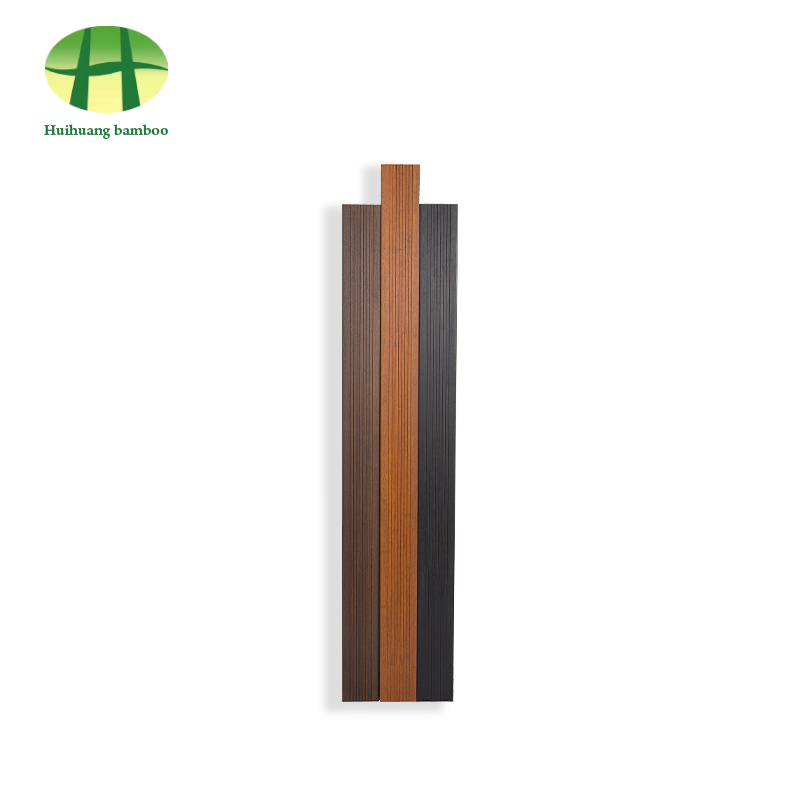
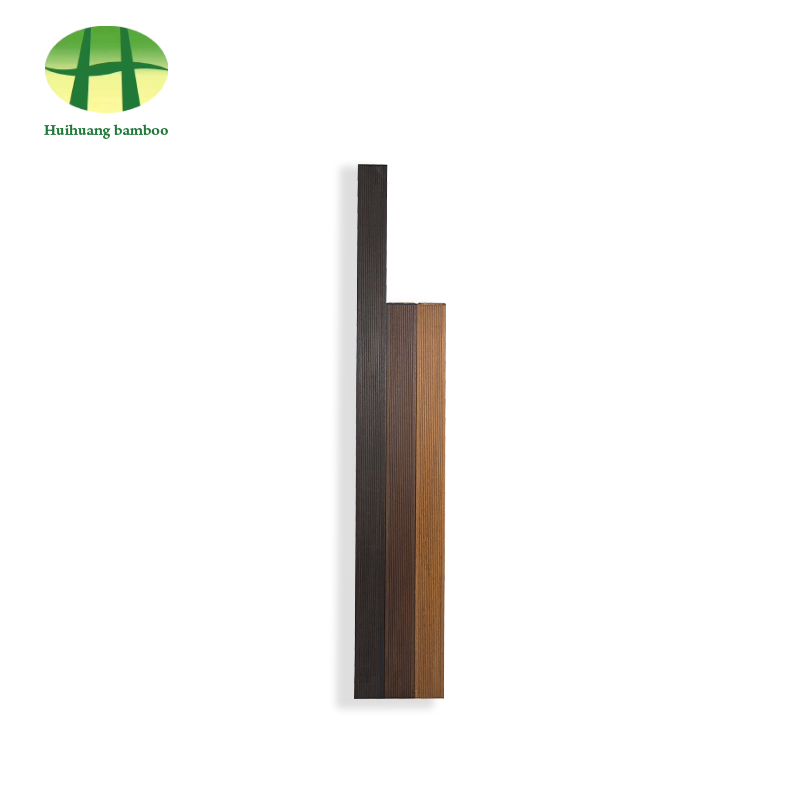
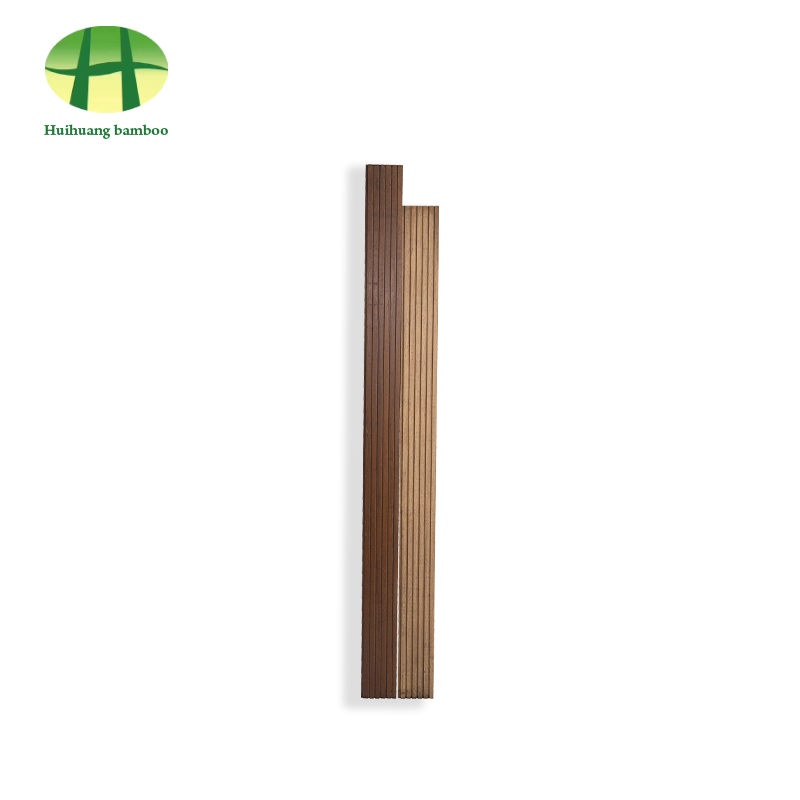
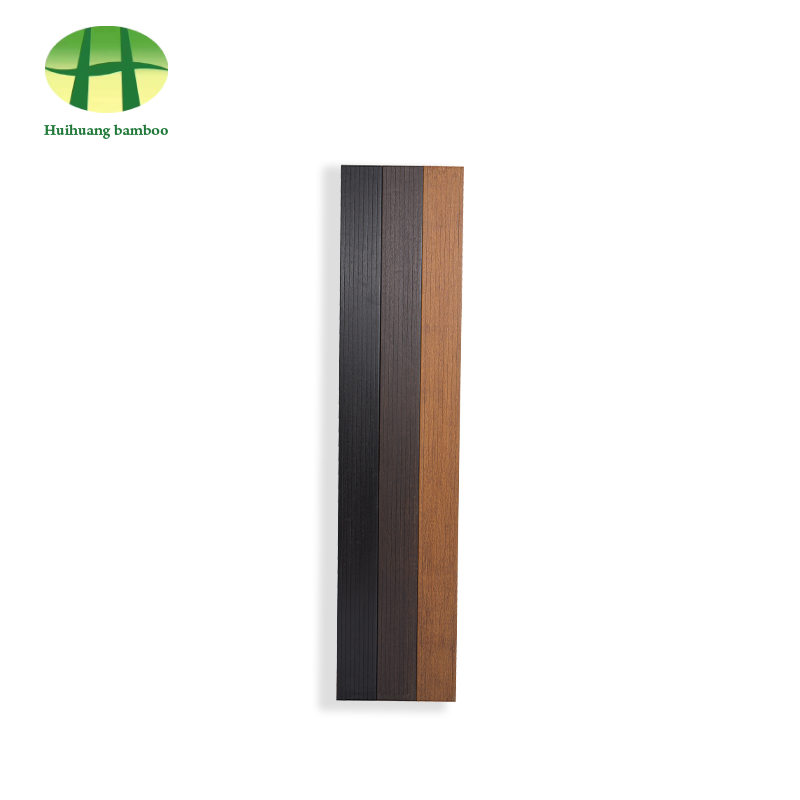
Outdoor bamboo flooring is a high-performance, sustainable decking material that outperforms many traditional hardwoods in hardness, moisture resistance, and lifespan when the correct type is chosen. Strand-woven bamboo is the best type for outdoor use, with a Janka hardness rating of 3,000–5,000 lbf — harder than oak, teak, or ipe in many test results. Bamboo flooring does off-gas, but modern low-emission adhesive systems mean indoor-grade products can meet CARB Phase 2 and E0 standards; outdoor bamboo products are typically unaffected by off-gassing concerns. This guide covers everything you need to make a confident decision.
Why Choose Bamboo Flooring
Bamboo has become one of the most compelling flooring materials available — not because of marketing, but because of measurable performance advantages rooted in its biology and manufacturing process.
Bamboo Grows Back in 3–5 Years
Tropical hardwoods like ipe or teak take 25–80 years to mature. Moso bamboo — the species used in virtually all commercial bamboo flooring — reaches harvestable maturity in 3–5 years and regenerates from its root system without replanting. This makes bamboo one of the few genuinely renewable flooring materials at commercial scale. A single bamboo grove can yield a continuous harvest cycle indefinitely without deforestation.
Hardness That Rivals Tropical Hardwoods
Raw bamboo culms are not particularly hard, but strand-woven processing transforms the fiber dramatically. Shredded bamboo strands are compressed under 200 MPa of pressure with a thermosetting resin binder, producing a panel with a Janka hardness of 3,000–5,000 lbf. To put that in perspective: red oak scores 1,290 lbf, Brazilian teak (cumaru) scores 3,540 lbf, and ipe scores 3,510 lbf. Strand-woven bamboo sits in the same tier as the most durable tropical hardwoods — at significantly lower cost and environmental impact.
Dimensional Stability Outdoors
Properly manufactured outdoor bamboo boards undergo heat-treatment (carbonization) or acetylation processes that reduce the equilibrium moisture content of the fiber. This limits the degree to which the board expands and contracts in response to humidity changes. High-quality outdoor strand-woven bamboo typically shows less than 1% linear expansion across a 30% relative humidity swing — comparable to thermally modified wood and superior to untreated softwood decking.
Which Type of Bamboo Flooring Is Best
There are three main manufacturing types of bamboo flooring. Their performance profiles differ significantly, and choosing the wrong type for an outdoor or high-traffic application is the most common cause of premature failure.
| Type | Construction Method | Janka Hardness | Best Use | Outdoor Suitability |
|---|---|---|---|---|
| Horizontal / Vertical | Bamboo strips laminated flat or on-edge | 1,200–1,800 lbf | Interior flooring, low-traffic areas | Poor — swells and delaminates |
| Engineered Bamboo | Bamboo veneer over plywood core | 1,000–1,500 lbf (surface) | Interior over radiant heat, floating floors | Not suitable |
| Strand-Woven Bamboo | Compressed shredded fiber + resin | 3,000–5,000 lbf | High-traffic interior, outdoor decking | Excellent with outdoor-rated product |
For outdoor bamboo flooring, strand-woven is the only type that performs reliably. Horizontal and vertical bamboo boards are laminated products — the adhesive layers between strips are vulnerable to moisture infiltration, freeze-thaw cycling, and UV degradation. Engineered bamboo shares the same weakness at its core-veneer glue line. Strand-woven bamboo, being a solid compressed panel throughout its cross-section, has no internal lamination planes for water to exploit.
Outdoor-Specific Product Requirements
Not all strand-woven bamboo is rated for outdoor use. An outdoor-grade product must include all of the following:
- Exterior-rated binder resin: Phenol-formaldehyde (PF) resin systems are weather-resistant; urea-formaldehyde (UF) systems used in most interior products will hydrolyze and fail when exposed to sustained moisture.
- Pre-applied UV-stable finish: A factory-applied exterior oil or hard-wax oil finish penetrates the fiber and provides UV protection. Clear lacquer finishes are not suitable for outdoor use as they film-build on the surface and crack under thermal cycling.
- Grooved deck board profile: Outdoor deck boards are typically grooved on the underside for hidden fastener clips, allowing thermal movement and ensuring ventilation beneath the board surface.
- Corrosion-resistant fasteners: Stainless steel or hot-dip galvanized fixings are mandatory. Standard zinc-plated screws will corrode within one to two seasons, staining the board surface and losing grip.
How Bamboo Flooring Is Made
The manufacturing process determines the final product's hardness, stability, and off-gassing profile. Understanding it helps explain why strand-woven bamboo performs so differently from the other types.
Harvesting and Preparation
Moso bamboo culms are harvested at 4–6 years of age, when starch content is lowest and fiber lignification is complete. Culms are cross-cut into billets, then either sliced into strips (for horizontal/vertical products) or shredded into fiber bundles (for strand-woven). The fiber is boiled or steamed to remove sugars that would otherwise attract mold and insects, then dried to a controlled moisture content of 8–12%.
Strand-Woven Compression Process
For strand-woven bamboo, dried fiber bundles are impregnated with liquid resin — either urea-formaldehyde for interior grades or phenol-formaldehyde for exterior grades. The impregnated fiber is loaded into steel molds and pressed at 160–180°C under pressures of 150–250 MPa. This compression densifies the fiber to 1,100–1,250 kg/m3 — roughly double the density of raw bamboo. The resulting billet is a solid, homogeneous panel with no visible grain planes or lamination lines.
Milling, Finishing, and Quality Control
Pressed billets are rested for 24–48 hours to stabilize, then milled to final board dimensions with tongue-and-groove or deck board profiles. Surface finishing for outdoor products involves sanding to 120–180 grit followed by multiple coats of exterior-grade oil applied in a heated roller-coating line. Quality boards receive 3–5 oil coats with intermediate curing stages. Final inspection includes dimensional checks, surface adhesion testing, and formaldehyde emission measurement.
Do Bamboo Floors Off-Gas
Yes — bamboo flooring can off-gas volatile organic compounds (VOCs), primarily formaldehyde from the adhesive resin system used in manufacturing. However, the level of off-gassing varies widely by product grade, and outdoor bamboo decking presents a much lower concern than interior flooring in enclosed spaces.
Formaldehyde Emission Standards
The relevant benchmarks for formaldehyde emissions from bamboo flooring are:
- CARB Phase 2 (California Air Resources Board): Maximum 0.05 ppm for hardwood plywood, the most stringent US standard. Most reputable bamboo flooring brands comply with this limit for interior products.
- E1 (European Standard EN 717-1): Maximum 0.1 ppm — the baseline European requirement for interior wood products.
- E0: Maximum 0.05 ppm — equivalent to CARB Phase 2, marketed as a premium low-emission grade.
- F4 Star (Japanese JIS A 1460): The strictest mainstream standard, requiring emissions below 0.02 ppm. Common in Japanese-market and high-specification products.
Off-Gassing in Outdoor Applications
Outdoor bamboo decking off-gases far less into living spaces than interior flooring for two reasons. First, outdoor decking is installed in ventilated open-air environments where VOCs disperse immediately rather than accumulating. Second, outdoor-grade strand-woven bamboo uses phenol-formaldehyde resin, which — once fully cured at the high temperatures of the pressing process — releases significantly less residual formaldehyde than urea-formaldehyde systems used in interior laminates. Off-gassing from outdoor bamboo decking is not considered a meaningful indoor air quality concern by any regulatory body.
Minimizing Off-Gassing for Indoor Bamboo Floors
For interior installations where off-gassing is a concern, the practical steps that make a measurable difference are:
- Choose certified low-emission products: Look for CARB Phase 2, E0, or F4 Star certification on the product data sheet — not just marketing claims. Request the third-party test report.
- Allow ventilated acclimatization: Store and acclimatize boards in a well-ventilated space for 72 hours before installation. Initial off-gassing is highest immediately after packaging is opened.
- Ventilate aggressively after installation: Open windows and run HVAC systems continuously for 48–72 hours post-installation. This dissipates the initial emission spike significantly.
- Use low-VOC adhesives for glue-down installations: The flooring adhesive can contribute more VOCs than the board itself. Specify a water-based or MS polymer adhesive rated for low VOC content.
Outdoor Bamboo Flooring Lifespan and Maintenance
A correctly specified and installed outdoor strand-woven bamboo deck will typically last 15–25 years before refinishing or board replacement is needed. The following maintenance schedule preserves both appearance and structural integrity:
| Maintenance Task | Frequency | Purpose |
|---|---|---|
| Clean with mild soap and water | Monthly or after heavy soiling | Removes dirt, pollen, and biological growth before staining occurs |
| Inspect and clear drainage gaps | Every 3 months | Prevents standing water and debris accumulation between boards |
| Apply exterior maintenance oil | Annually (or when water no longer beads) | Replenishes UV protection and moisture resistance in the surface fiber |
| Check fastener tightness | Annually | Thermal movement can loosen clip systems over time; re-tighten perimeter screws |
| Light sanding and re-oiling | Every 5–8 years | Refreshes heavily weathered surfaces, removes gray oxidation layer |
The most common cause of shortened lifespan in outdoor bamboo decking is not material failure but installation error — specifically, insufficient ventilation beneath the deck, no expansion gap at perimeter fixings, or use of interior-rated products in exterior conditions. With correct specification and basic annual maintenance, outdoor strand-woven bamboo consistently meets its rated service life.
 View More

 +86-572-5215066 5216895
 office@hh-bamboo.com
 East Side of Huanggang RD,Ningdun County, Ningguo ,Xuancheng City,Anhui Province,China.